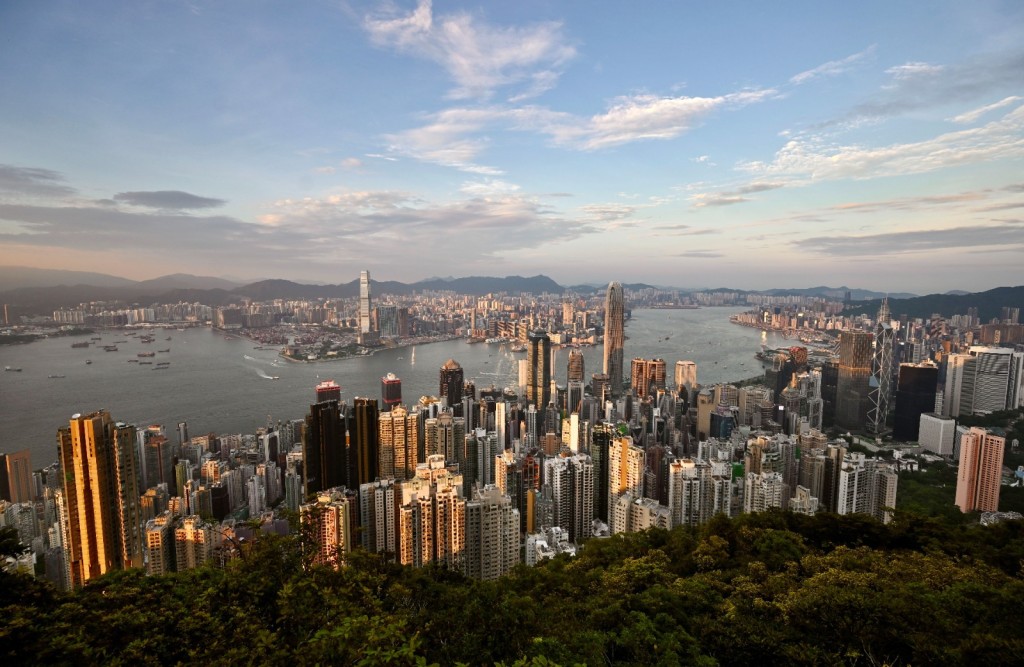
Hongkongers planning on selling up and moving abroad should invest their money wisely before they leave to avoid getting stung by taxes in their new country of residence.
Cash from sales of homes or stocks could be invested in insurance while well-heeled emigrants should consider setting up trusts, experts say.
Measures like these would help offset or reduce how much they might have to pay on inheritance or capital gains taxes once they leave Hong Kong's shores.
CAPITAL GAINS
While Hong Kong does not have capital gains or inheritance taxes, immigration hot spots such the United Kingdom, United States and Australia are not so generous with their residents.
For the uninitiated, capital gains tax is a tax on the profit when you sell any asset - be it a stock portfolio or a home - that's increased in value. It's the gain that's taxed, not the amount of money received.
For example, if one bought a property for HK$2 million 10 years ago and sells it for HK$6.5 million now, the gain of HK$4.5 million will be taxed
Prospective emigrants should consider selling their properties or stocks before leaving Hong Kong to avoid capital gains tax, says Andrea Randall, a partner at Reynolds Porter Chamberlain.
They should also be wary of global taxation.
In the UK, all income and gains earned worldwide are taxed, explains Ray Lee, a wealth managemnt and financial planner.
Residents can buy insurance or set up trusts before leaving Hong Kong to delay or avoid capital gains tax after selling their assets, he says.
For example, policyholders do not need to pay capital gains if they only withdraw 5 percent of the principal each year until its all withdrawn, under British tax laws.
Those with more assets or income should consider setting up trusts because income and gains from overseas trusts are generally not subject to UK income and capital gains tax, says Lee.
An inheritance tax is a tax on assets inherited from a deceased person, and life insurance may help reduce this burden as the heirs will receive a lump sum of money from the insurer on the policyholder's death, which will cover the cost of inheritance tax.
However, buyers should be aware that premiums vary from company can cost more depending on one's age and health, and some insurers may reject due to the buyers' age and health, says Alfred Ip, the partner of Hugill & Ip Solicitors.
Setting up a trust is another way to ring-fence one's assets from inheritance tax, though it won't be cheap at around US$10,000 (HK$78,000) per year, says Ip.
Also, investors should set up their trust before emigrating because UK residents have to pay 20 percent tax when transferring assets into a trust, he says.
Apart from tax savings, a trust can protect family assets from being taken by third parties such as spouses and other descendants.
One can also give all their assets away to avoid tax.
If parents transfer their assets to the next generation and lives another seven years there will be no inheritance tax, but they need to ensure their children will take the responsibility that comes with the asset transfer and support them financially, Ip concludes.