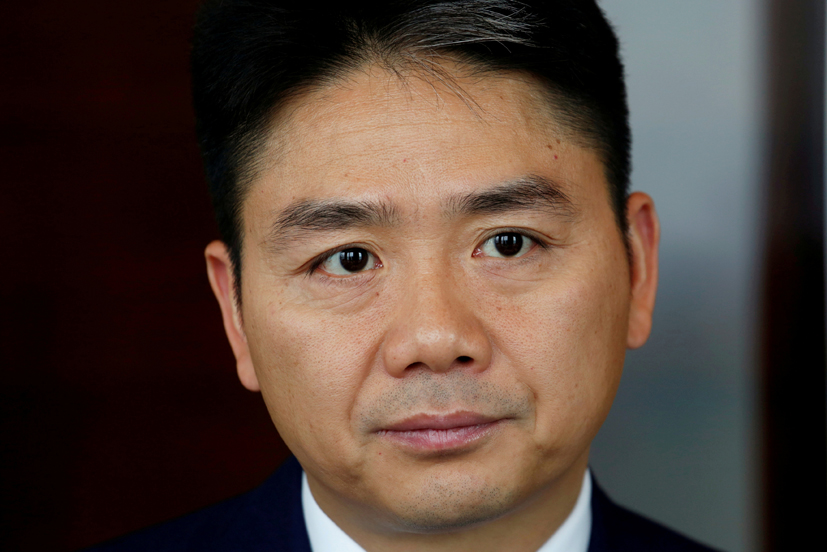
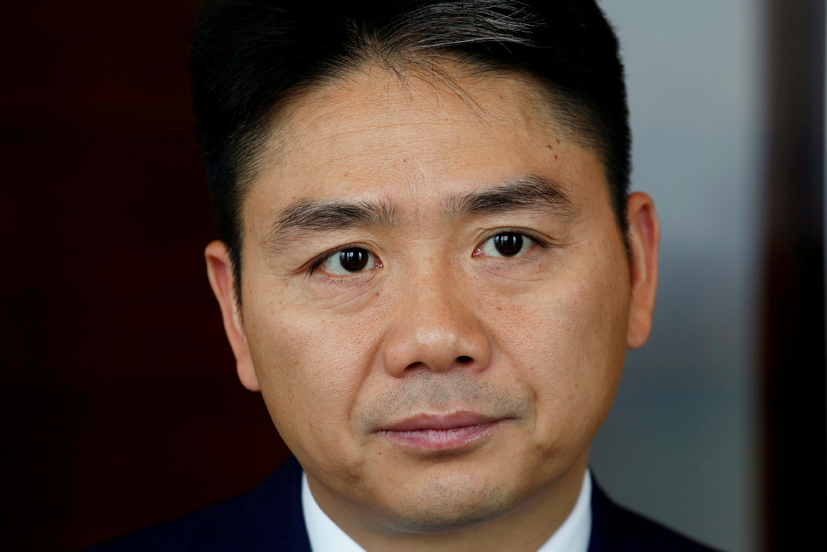
It took JD.com more than one-and-a-half years to step out of the shadows of founder Richard Liu Qiangdong's sexual misconduct scandal in 2018.
Shares of JD had plummeted by around 40 percent in three months after the 47-year-old chief executive was arrested in Minnesota due to a rape accusation in August 2018. The scandal deepened as Liu's name made headlines in China, gossip and speculation stayed on a trending topic on twitter-like Weibo for months, with some social media users calling for boycott JD.
In late November 2018, the besieged company's shares fell to US$19.27 (HK$150.31), close to its US initial public offering price of US$19 in 2014, while investment houses including Nomura and Macquarie Group lowered its target price given disappointing third-quarter results.
To get rid of the negative impact of Liu's scandal, JD accelerated its business transformation, shifting focus to lower-tier cities and the social media marketplace.
Meanwhile, Liu, whose net worth is an estimated US$12.6 billion, stepped down from JD's legal representative, executive director and general manager, and boards of nearly 50 subsidiaries since October last year. He even resigned as a member of the National Committee of the Chinese People's Political Consultative Conference.
But Liu still wields enormous influence in JD. Although its strategic partner Tencent (0700) is the biggest shareholder with a 17.8 percent stake while Walmart holds another 9.8 percent, JD's dual-share structure gives Liu 78.4 percent of the voting power.
Similar to NetEase (9999), JD warns it is under risk of delisting from US stock exchange as Washington is reviewing a bill tightening regulation on Chinese companies.
If that happens, JD would be forced to shift its primary listing destination to Hong Kong and change its weighted voting rights structure. The Hong Kong Stock Exchange has required that the super-voting right shares of a primary-listed company should be no more than 10 times the ordinary shares, but Liu holds all 450.88 million of so-called class B ordinary shares, which is entitled to 20 votes per share.
Although Liu will not face sexual assault charges by US prosecutors due to "profound evidentiary problems", the University of Minnesota student, who first accused Liu of rape, filed a civil lawsuit against both Liu and JD in April last year.
"We and Mr Liu believe that all such claims against our company and Mr Liu are without merit and intend to vigorously defend against the validity of all such claims. This lawsuit remains at an early stage, and the ultimate resolution of such claims cannot be determined," JD said in its prospectus.