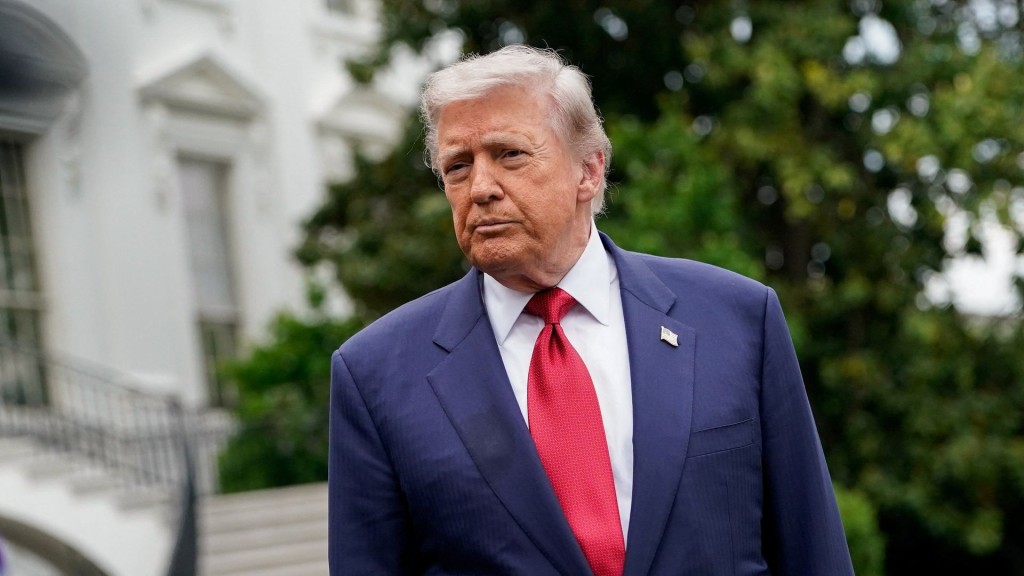
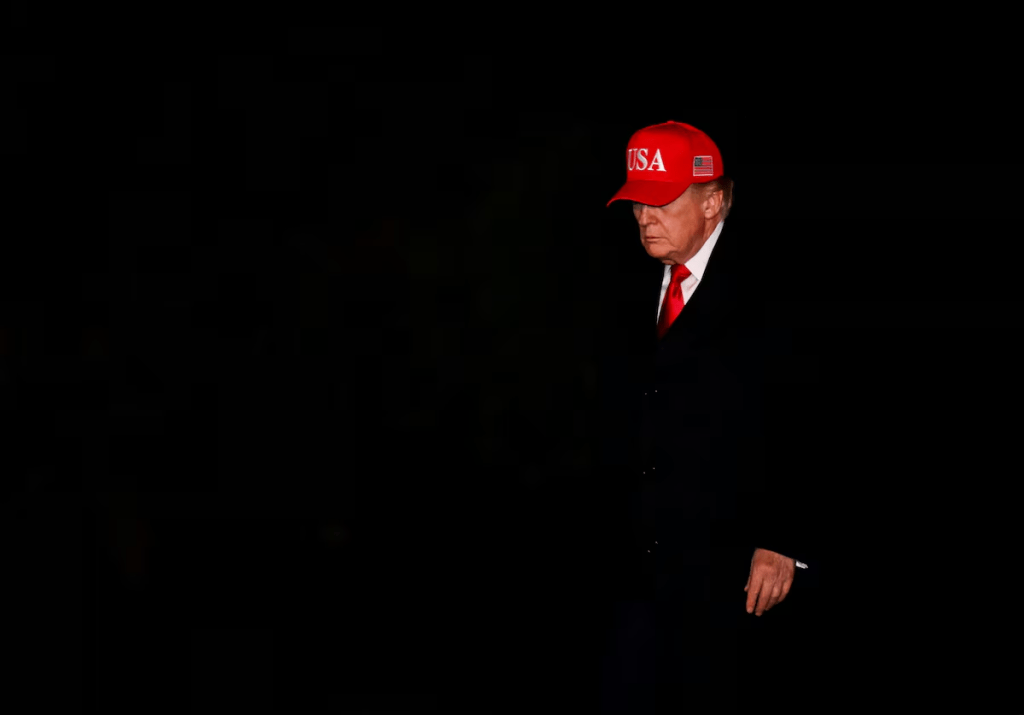
US President Donald Trump is unlikely to remove Federal Reserve chairman Jerome Powell despite his frustrations as he is a fan of market uncertainty.
By keeping speculation alive, Trump ensures market swings that can be exploited by those positioned to profit.
With Powell’s term ending in May 2026, the drama is far from over. But the real danger lies in the near-certainty of soaring inflation, fueled by Trump’s policies and his relentless pressure on the Fed to cut rates.
Campaign against Powell
Since Powell’s appointment, Trump has publicly criticized the Federal Reserve for maintaining higher interest rates, arguing that these policies hinder economic growth.
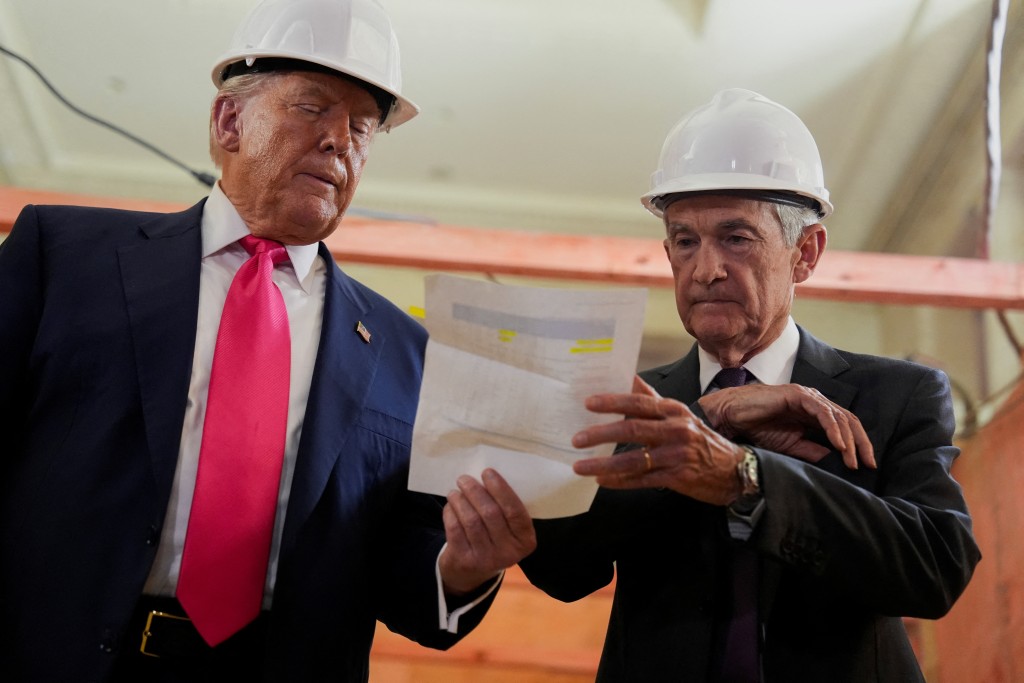
Recently, Trump seized on the Fed’s building renovation costs – which have escalated from US$1.9 billion (HK$14.82 billion) to US$2.5 billion – as a potential reason to oust Powell. While the Supreme Court has signaled that Trump cannot fire Powell over policy disagreements, he could attempt to remove him “for cause,” such as alleged misconduct.
This strategy reflects Trump’s broader tactic of stoking market speculation. Stock markets, bond yields and currency valuations have all reacted to the drama, creating a turbulent environment that benefits those who thrive in a roller-coaster market.
US inflation is on the rise
While Powell’s term lasts until May 2026, the economic outlook is already clouded by inflationary pressures. The implementation of tariffs of 20 percent on imports is expected to drive up consumer prices in the coming months. Combined with Trump’s pressure for rate cuts, the Federal Reserve’s ability to maintain price stability faces significant challenges.
In June consumer prices rose by 2.7 percent, from 2.4 percent in May, edging closer to 3 percent. This trajectory far exceeds the Fed’s target of 2 percent inflation, and the impact of tariffs has yet to fully materialize.
For corporations, this inflationary environment creates tough decisions. Companies must either raise prices to offset higher costs – risking a decline in consumer demand – or absorb the costs, which would erode profits. Either scenario adds stress to the economy, impacting economic growth, market confidence and job creation.
History of interference with the Fed
Trump’s interference with the Fed risks undermining its political independence, a principle that has guided US monetary policy since the 1980s.
History shows the dangers of such intervention. In the 1960s and 1970s, presidents Lyndon Johnson and Richard Nixon pressured the Fed to keep interest rates low, leading to runaway inflation. The economic damage was only reversed in the early 1980s when President Jimmy Carter appointed Paul Volcker as Fed chairman. Volcker’s aggressive rate hikes tamed inflation but caused a painful recession in the process.
By creating uncertainty around the Fed’s policies, Trump risks destabilizing the economy. Markets are already anticipating two rate cuts this year, with the earliest after this week’s Fed meeting, but the long-term consequences of political interference could be severe.
As inflation looms and Trump’s feud with Powell continues, investors face a highly volatile market environment. The combination of rising tariffs, inflationary pressures, and political meddling creates substantial uncertainty. Stock prices, bond yields, and currency values are all vulnerable to sudden shifts.
For investors, the message is clear: uncertainty will persist, and caution is essential. The longer political interference continues, the greater the danger to America’s economic future.