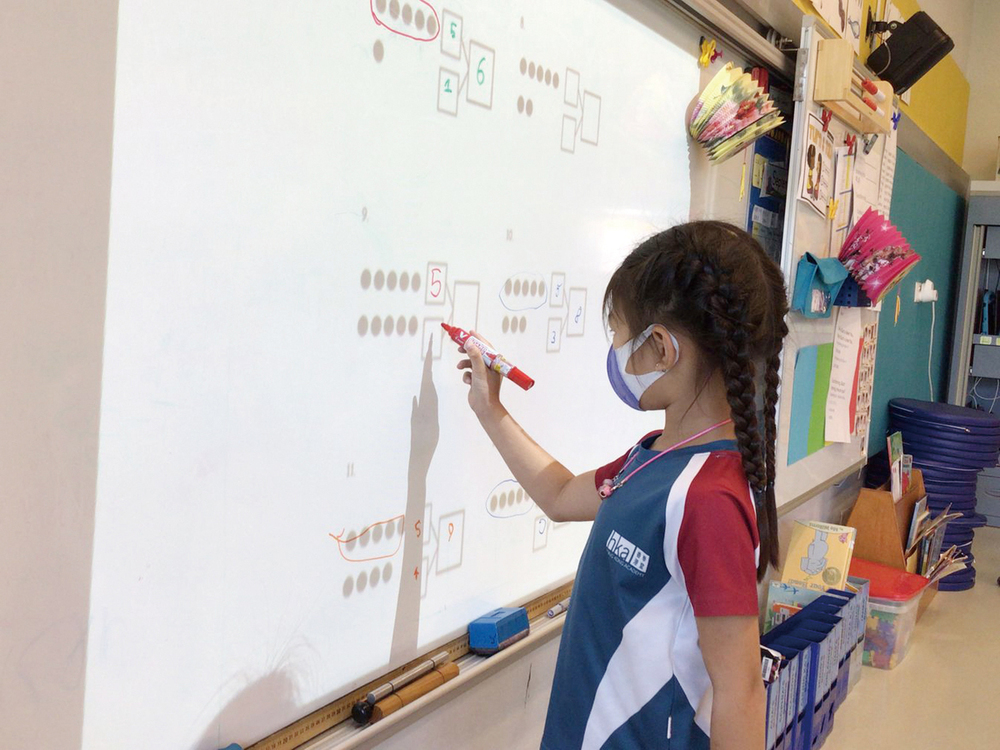
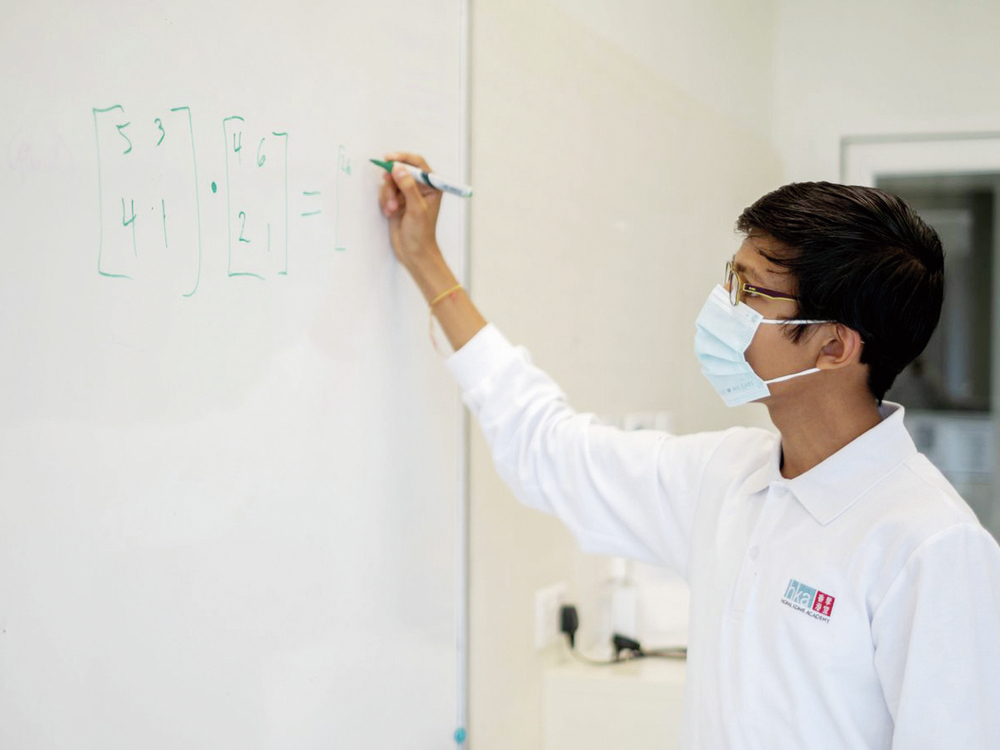
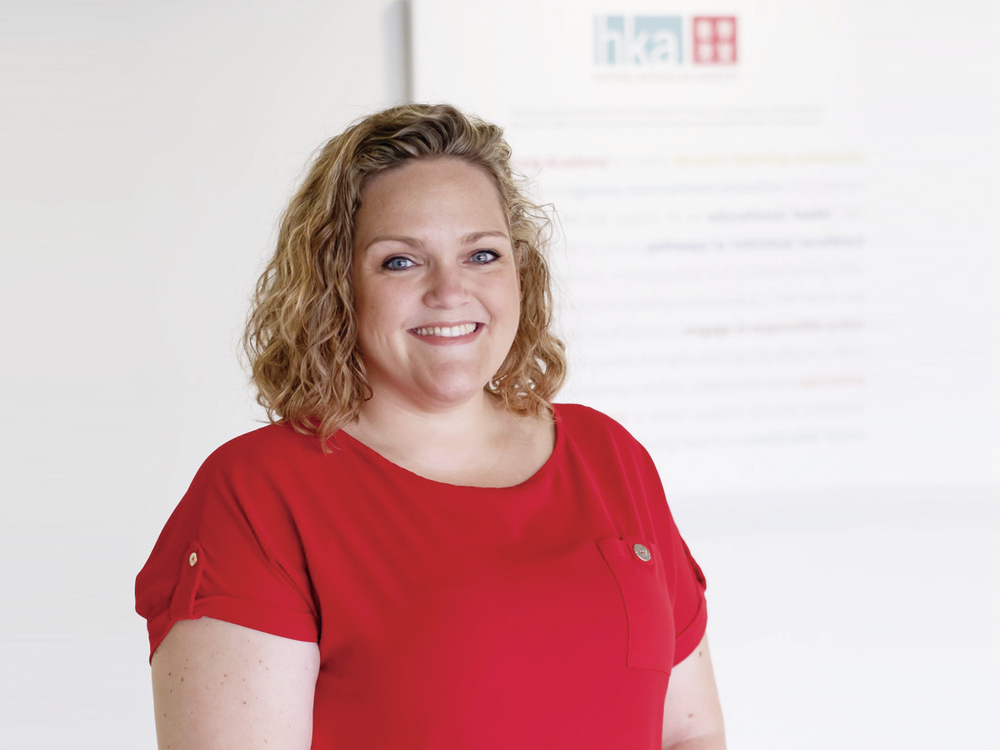
Whether it’s managing the family budget, handling a business financial plan or using analytical and creative modeling to address climate issues, mathematics is a key life skill and a crucial part of every school’s curriculum. We spoke with Hong Kong Academy’s Primary School Assistant Principal and Curriculum Coordinator, Ms Carly Buntin, about the school’s approach to teaching maths and how students develop into confident mathematical thinkers.
ADVERTISEMENT
SCROLL TO CONTINUE WITH CONTENT
Hi Ms Carly, let’s jump right in! Can you start by describing HKA’s approach to teaching maths?
Developing a growth mindset is key to becoming a strong mathematician. Our teachers support learners to keep an open mind and consider different ways to solve the problems they are exploring. This is integral to building mathematical confidence and flexibility. Each time we introduce a new concept, we encourage children to build on what they already know, use their reasoning skills and their intuition to follow their line of thinking, and prove and explain how they found their answer.
Valuable mathematical skills such as questioning, curiosity, inquiry, investigation, problem-solving and pattern seeking are encouraged. We want to hear students asking ‘what if…’ ‘why didn’t that work?’ or ‘what’s going on here?’ As students try new strategies, it sometimes leads to mistakes. We spend time cultivating a safe space where students are open to taking risks and know that it’s okay to make mistakes because mistakes are the best way to learn!
Sounds great! What curriculum do you use to teach maths?
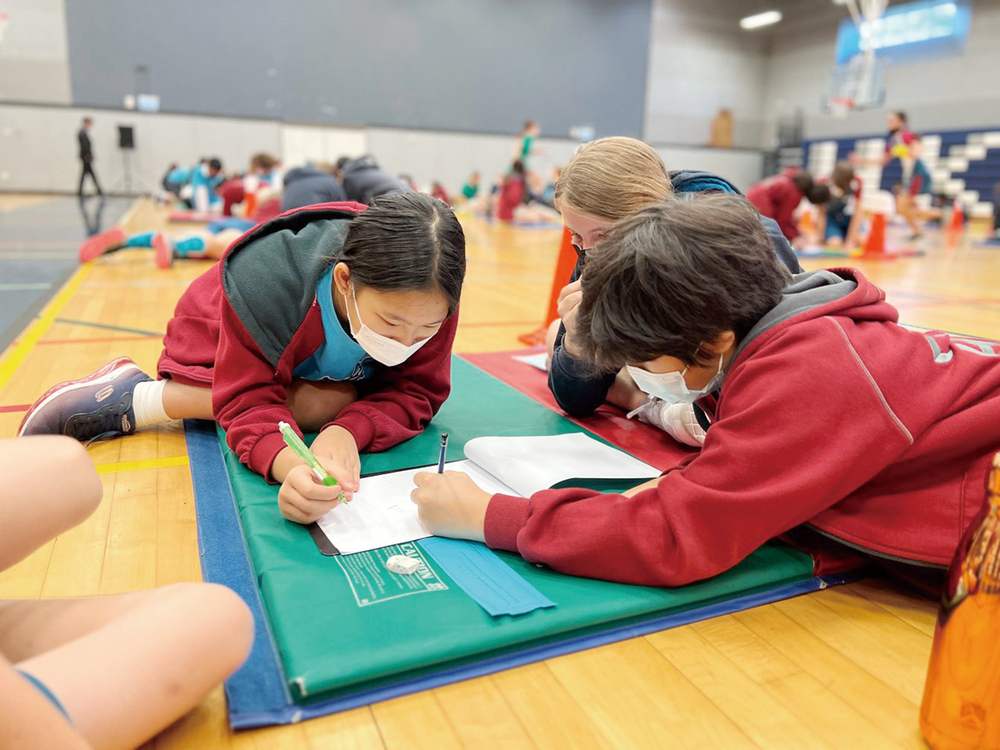
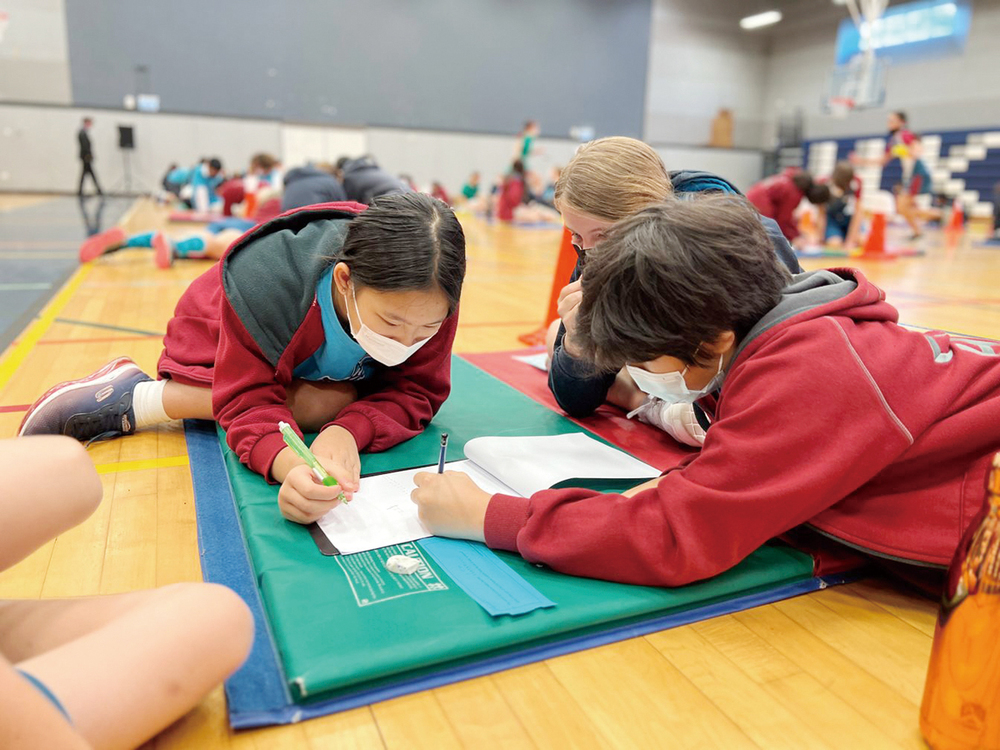
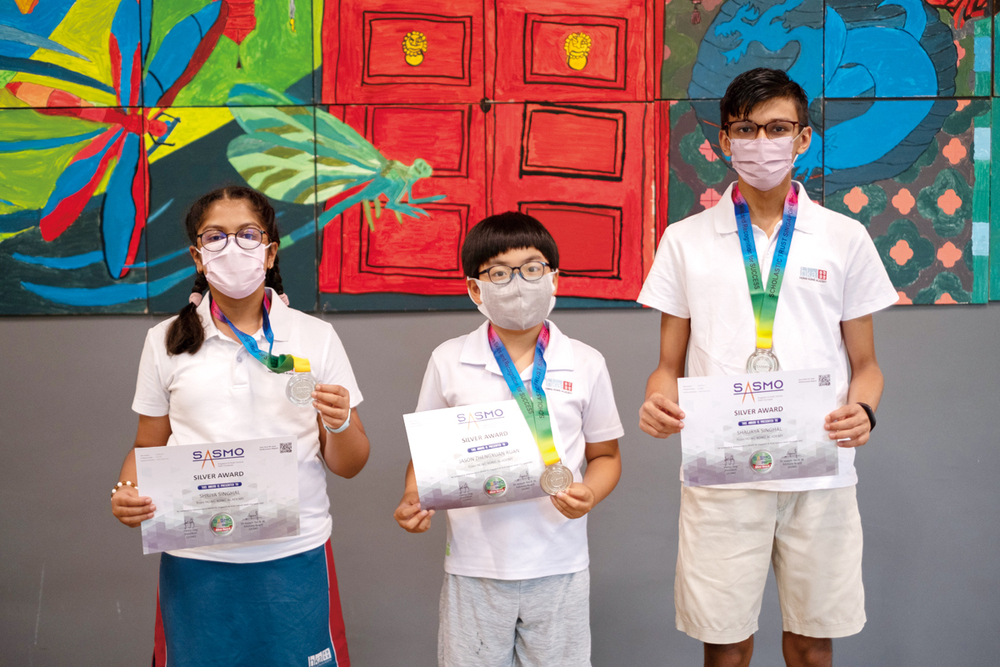
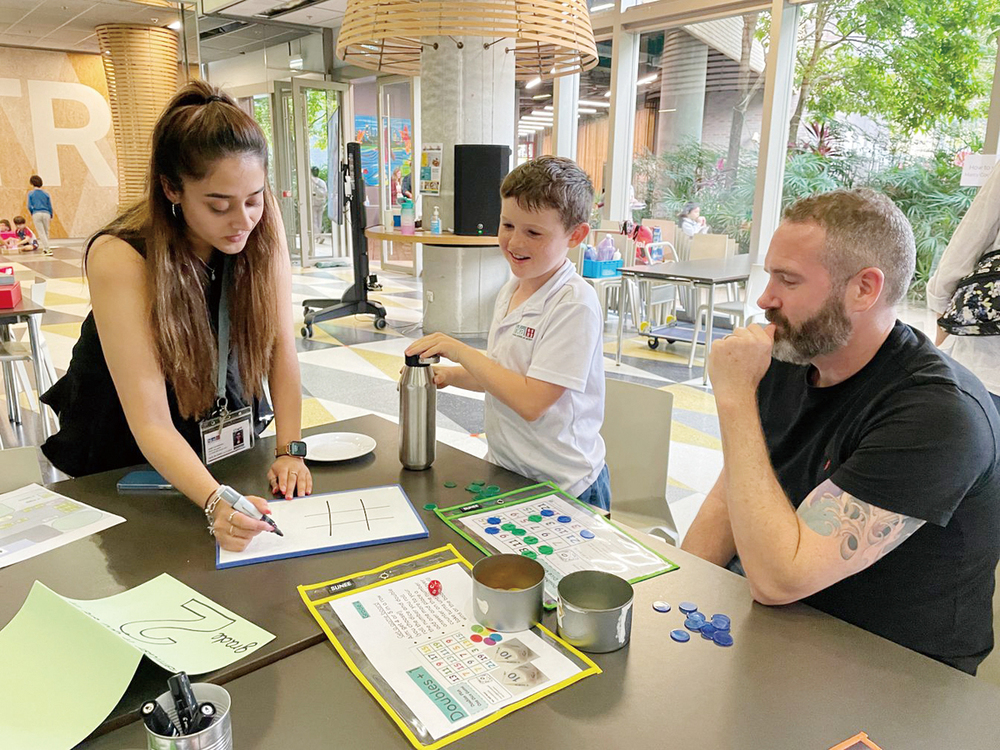
We are a through-train IB school and offer a resource-based programme. This enables us to draw from best practice based on research and create lessons which are relevant to our students. In addition to our standalone mathematics lessons, we include mathematical elements within units of inquiry so that students can reinforce a mathematical concept by applying it in a new context. We recognise that, in the real world, learning does not happen in boxes, and we seek to replicate this in the classroom by providing learning opportunities that cross between multiple disciplines or subject areas. Further opportunities for students to expand their mathematical abilities include events such as Family Maths Night, house competitions and regional maths tournaments such as Singapore and Asian Schools Math Olympiad (SASMO).
How does your programme ensure that each student develops to the best of their ability?
The Common Core State Standards in mathematics are our anchor. These provide the benchmarks which our teachers use to plan lessons and track student progress over time. Our maths curriculum spirals up in sophistication each year as each student's understanding and fluency grows. This allows students to revisit key mathematical concepts and develop cornerstone skills in increasingly complex settings. We provide differentiated instruction in all subject areas, which means that students are met where they are as learners and stretched based on their individual strengths and areas for growth. Informal assessment happens in every lesson, through observation, hands-on engagements and small group or one-to-one maths conferences between students and teachers. This gives children daily opportunities to explain their thinking, receive feedback and agree on goals to support them in moving forward. More formal assessment happens at the beginning and end of units, which help us to ensure continuity of learning and measure how each student is progressing against grade level expectations.
We also use the Measures of Academic Progress (MAP) test to benchmark student growth against international standards and ensure we continue to deliver a curriculum which is challenging, engaging and relevant. In addition, we offer Advanced Placement (AP) statistics and have an Extended Mathematics pathway which offers greater breadth and depth of content for our talented mathematicians who are performing at an accelerated level and are on track to pursue Higher Level mathematics as part of the IB Diploma Programme.
Learn more about HKA’s curriculum by contacting their Admissions team, booking a personalised tour or visiting their website www.hkacademy.edu.hk.
----------
Hong Kong Academy
Address: 33 Wai Man Road, Sai Kung, New Territories, Hong Kong SAR