Read More

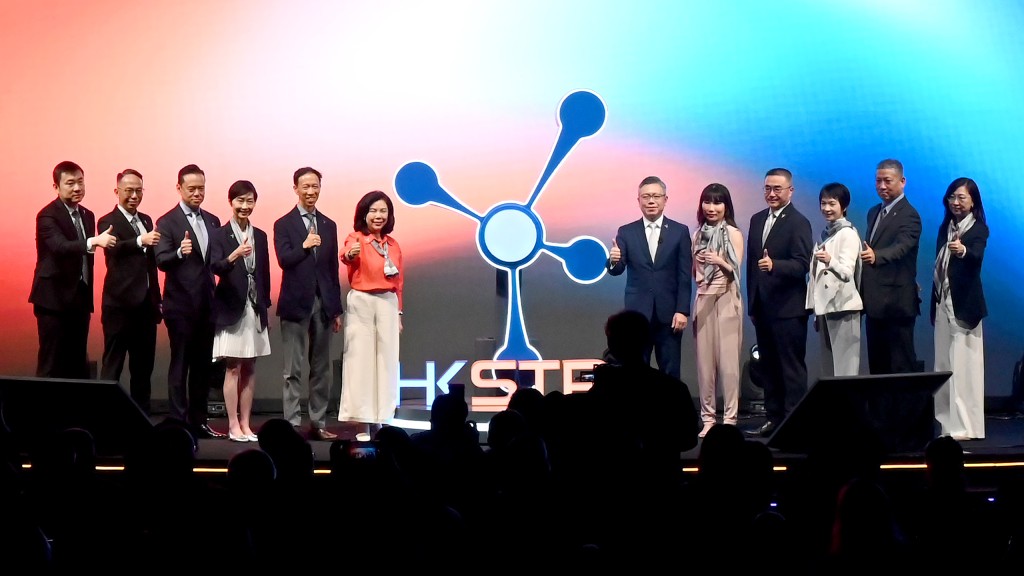
HKSTP kicks off 25th anniversary
31-08-2026 17:51 HKT

The Standard Unveils Strategic Revamp
04-06-2026 17:35 HKT

Redefining Media through Community and Storytelling
29-05-2026 10:55 HKT
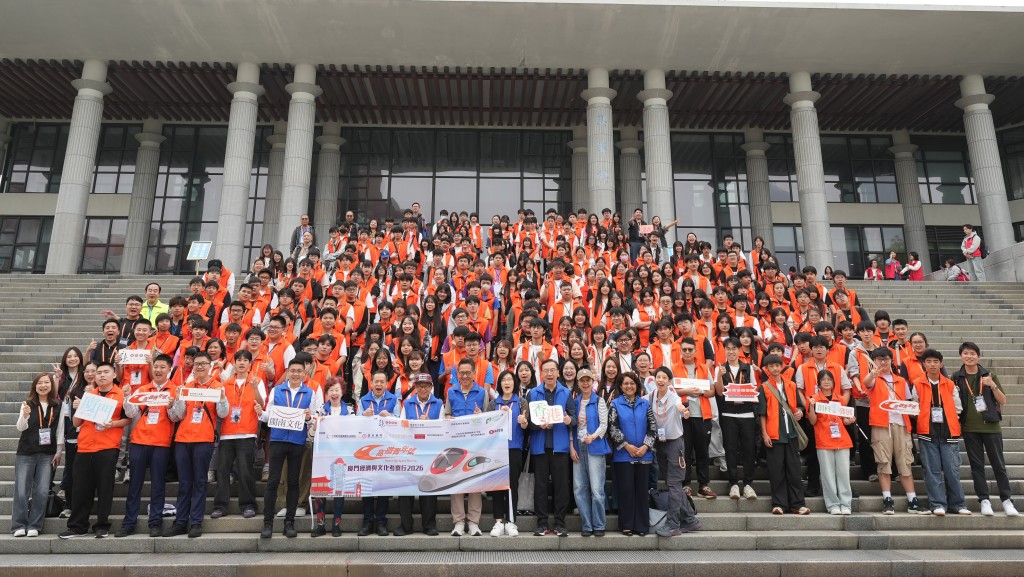
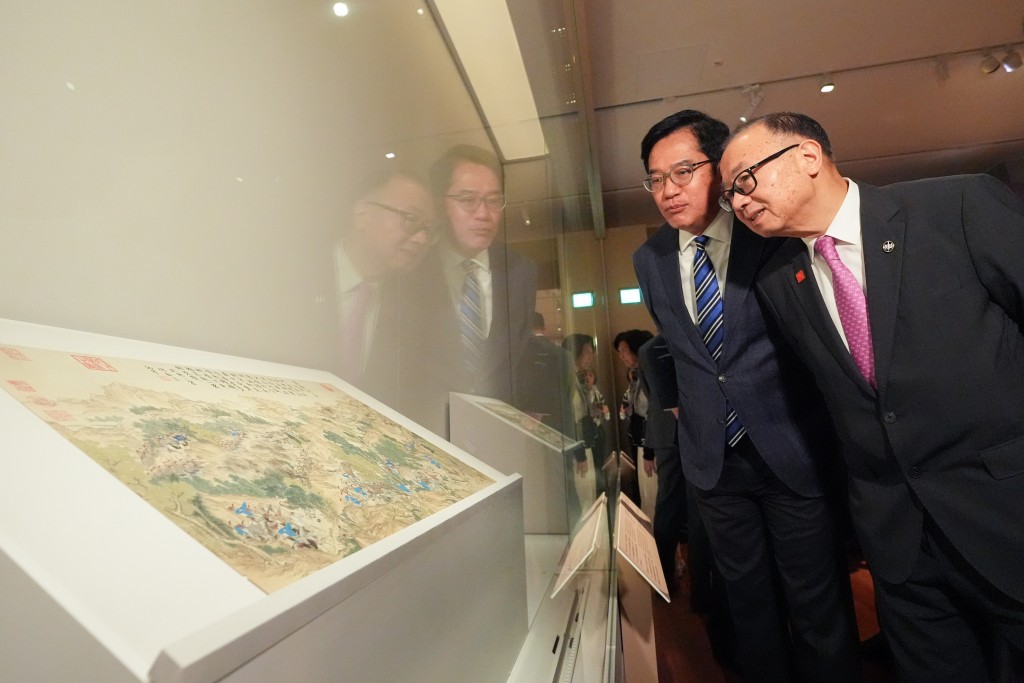



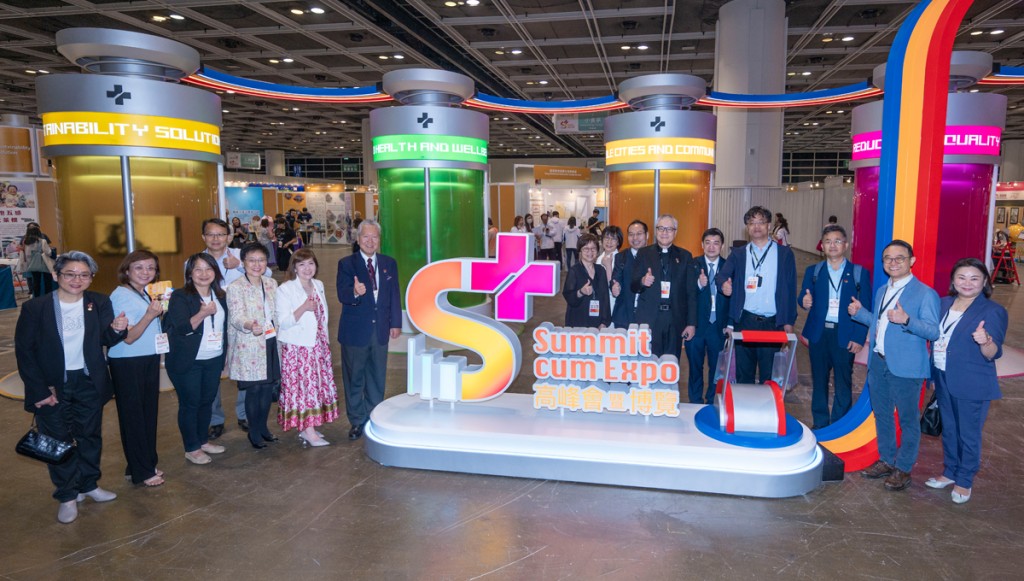
As Hong Kong navigates a rapidly changing world, the city’s pressing challenges—and promising opportunities—are taking center stage at the S+ Summit cum Expo 2025, the largest sustainable development and social service event in the city.
Against a backdrop of demographic shifts, economic uncertainty, and environmental pressures, more than 5000 changemakers from business, government, academia, and the social sector have converged for two days of high-energy debate, discovery, and collaboration. The summit, hosted by the Hong Kong Council of Social Service (HKCSS), is laser-focused on making the city more sustainable, inclusive, and resilient—one bold idea at a time.
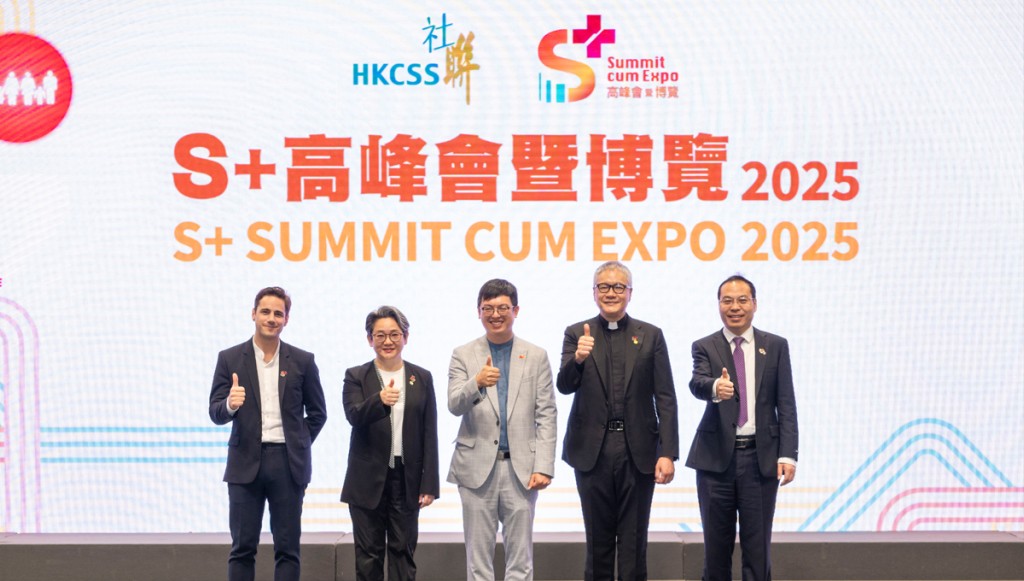
This year’s event is a hotbed of innovation, featuring 34 sessions and workshops led by over 140 global thought leaders and trailblazers—from France, Japan, Singapore, India, mainland China, and beyond. Topics range from harnessing artificial intelligence for social good, to tackling youth mental health, fostering business-NGO partnerships, and unlocking the potential of Hong Kong’s silver economy. With more than 160 social enterprises, welfare organizations, and impact-driven companies showcasing their latest breakthroughs.
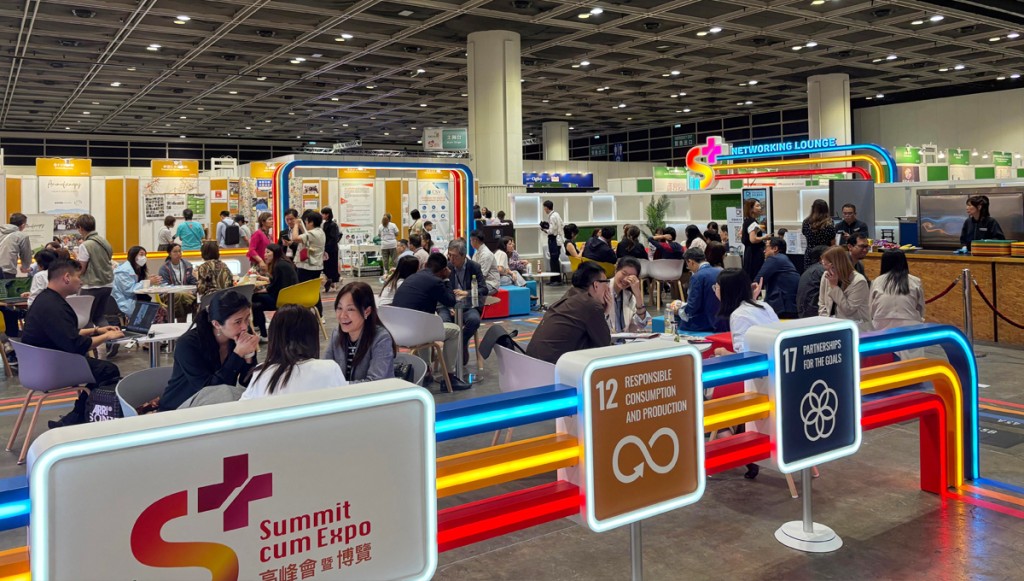
“In light of demographic changes and an aging population in Hong Kong, we must urgently explore resilient development pathways,” said Revd Canon Hon Peter Douglas Koon Ho-ming, Chairperson of HKCSS. He believes that the S+ Summit cum Expo serves as a vital platform that unites insights from various sectors and stakeholders.
The urgency is echoed by Mr. HO Kai Ming, Under Secretary for Labour and Welfare: “We face internal and external challenges—an evolving economy, an aging population, and increasing mental health concerns. These issues test our adaptability. How can we allocate resources effectively with limited means? How can we ensure social welfare accessibility amid shifting demands? Addressing these questions requires thoughtful consideration, collaboration, and innovation.”
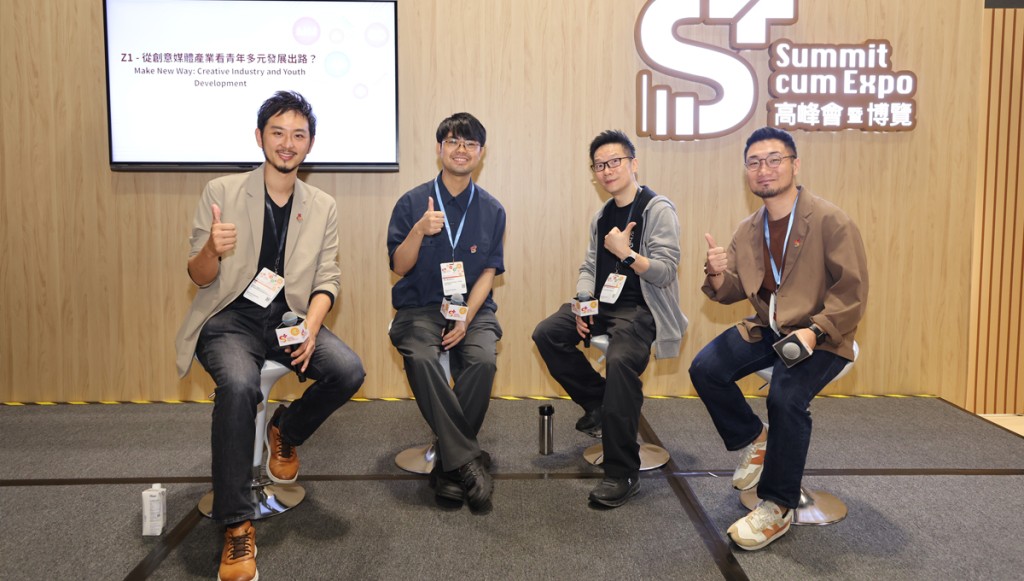
Hong Kong’s creative media industry is booming, fueled by digital transformation, social media, and bold young talent. But at the sharing session — “Make New Way: Creative Industry and Youth Development”—at this year’s S+ Summit cum Expo, the spotlight was on a more complex question: Can the creative industry survive and thrive in the age of AI?
The session attracted a vibrant crowd of students, educators, and industry veterans, all eager to explore the future of creativity. The speakers, all professionals from the music industry, did not shy away from challenging topics. One panelist acknowledged that AI has cracked open the doors to music composition, making it possible for anyone with a laptop to write a song. Yet, another reminded the audience: “No algorithm can replicate the electricity of a live jazz performance—the thrill of improvisation, the beauty of mistakes, and the magic of the unknown.”
The conversation shifted to the rise of short-form content—think TikTok—where music and art are distilled into bite-sized, viral moments. Some lamented that audiences are less willing to pay for live shows, while others saw opportunity: social media can serve as a powerful gateway, drawing new audiences into the world of music and performance. “It’s not a zero-sum game—AI and humans can coexist and even enhance each other,” one speaker argued.
However, the panel raised difficult questions: Will AI take over jobs in the creative sector? The consensus was that young creatives must learn to wield AI as a tool, not a crutch. Utilizing AI effectively can help individuals gain knowledge and navigate areas where they may lack expertise. For example, a musician who excels in composition but struggles with marketing can use AI to refine their promotional strategies. Nevertheless, it is crucial to understand the basics, such as appreciating music and its fundamental history.
Most importantly, the speakers urged patience and resilience. In a world where everything is fragmented and fast-paced, the next generation must learn to reconnect—to savor the joy of making music, to appreciate the irreplaceable spark of human creativity, and to balance technology with true passion.
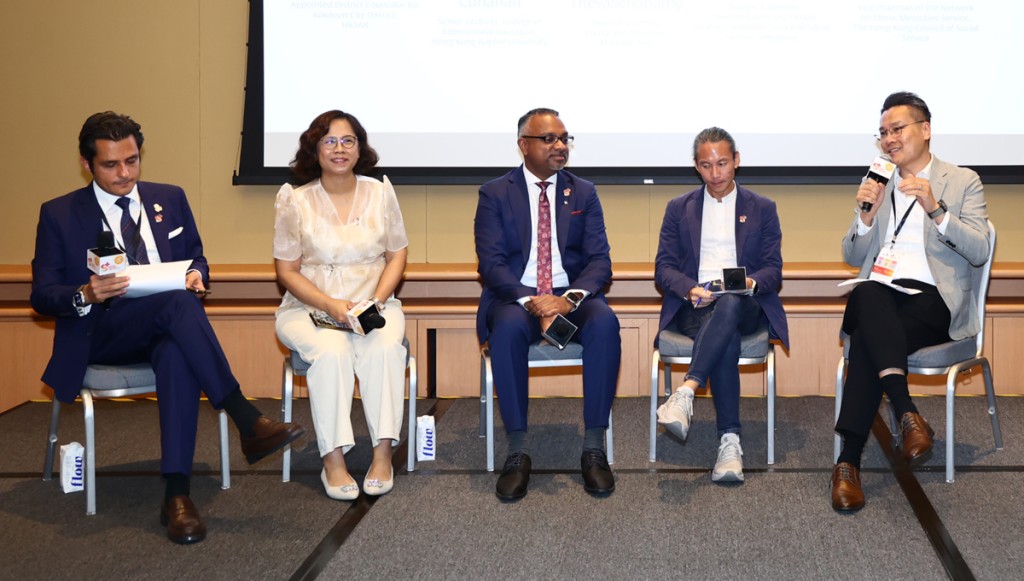
In Hong Kong, the city contains of diverse races. However, are we utilizing this strength well-enough to leverage the city’s global competiveness, or are the certain stereotypical impressions hindering Hong Kong to grow into a strong competitor? At the sharing session, “The Strategic Significance of Ethnic Diverse Talents to the Belt and Road Initiative,” thought leaders and changemakers gathered to ask: How can Hong Kong’s diversity become its greatest competitive edge?
With ethnic minorities making up 8.4% of the population and international talent arriving in increasing numbers, Hong Kong’s diversity is not just a pleasant backdrop—it’s a strategic resource. Yet, as speakers pointed out, the city hasn’t fully tapped this goldmine. “We cannot look for talent in the same places. If we keep our doors closed, we hinder our own growth,” stressed a business sector representative. The message was clear: it’s time to open up, connect, and collaborate on a global scale.
Trust, however, doesn’t happen overnight. “We sometimes struggle to trust people of different backgrounds,” admitted one panelist, “but that trust must be built.” The speakers concurred that changing mindsets—especially the subtle, ingrained stereotypes that linger beneath the surface—will require time and effort. “Asia has the potential to do this better,” one argued, while acknowledging the challenges ahead. He added, “Change must be reciprocal. In Hong Kong, stereotypes still persist. True transformation comes from both sides working together.”
Education emerged as a crucial battleground. A representative from the education sector suggested that every Hong Kong school should have 20-30% non-Chinese students, and that international integration must begin early—at primary and secondary levels. Only then can young people grow up seeing diversity as the norm, not the exception.
The business case for diversity is compelling, too. Local companies, not just multinationals, must embrace multicultural hiring to open new markets and spark innovation. As a Singaporean speaker deliciously illustrated, “A multicultural environment is like our Satay Bee Hoon: Malay satay and Chinese bee hoon blend into something even greater than the sum of their parts.”
Yet, culture change isn’t just top-down. Grassroots power and movements are vital across all sectors. One speaker argued that when the voices from the ground are loud enough, policymakers will hear and act. “Don’t underestimate the power of voices from the ground,” they urged. The call was clear: true inclusion must be systematic, organic, and bottom-up—powered by everyday connections, not just boardroom decisions.
They pointed out that we should not be pessimistic. Instead, let’s think systematically and embrace a bottom-up approach. By channeling the grassroots energy of Hong Kong’s communities, and making diversity a lived reality at every level, the city can realize its full potential as a Belt and Road leader. In this new era, one plus one can truly be greater than two.