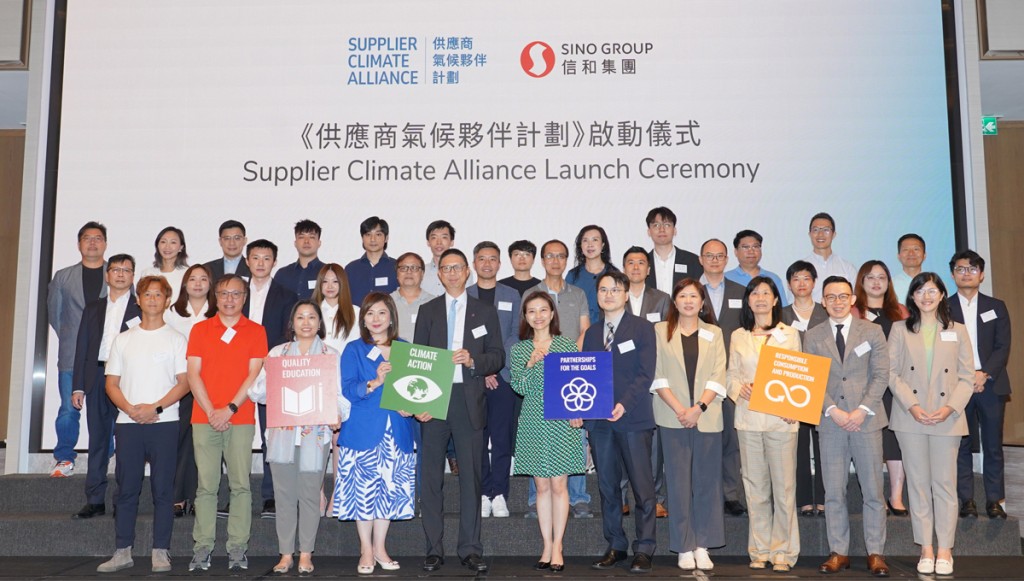
As corporate carbon emissions management and sustainability disclosures gain global prominence, businesses increasingly recognise their role in achieving carbon neutrality. In a pioneering move, Sino Group has launched the “Supplier Climate Alliance”, one of Hong Kong’s first initiatives to engage suppliers in climate action, fostering cross-sector collaboration to build sustainable supply chains.
The program aims to unite suppliers, industry leaders, academia, and businesses in advancing carbon management and transparency. By sharing knowledge, technical expertise, and best practices, the alliance seeks to promote decarbonization across supply chains.
Different Sectors Gathered at the Launch
A launch ceremony and a thematic panel discussion were held recently, attended by Arthur Lee, commissioner for climate change at the Environment and Ecology Bureau of the HKSAR Government, Paul Chow, group general counsel and group chief sustainability officer, Hong Kong Exchanges and Clearing Limited, Miranda Kwan, director of business assurance, SGS Hong Kong Limited, Cindy Chow, chief financial officer & associate director (finance) of Sino Group, and over 50 supplier representatives from various sectors.
In the ceremony, Arthur Lee said: “Green transformation at an early stage will enable businesses to contribute to society and gain a competitive edge in the future low-carbon economy. I hope to see more suppliers joining the cause of carbon reduction and embarking on the green transformation of Hong Kong with us, to build a low-carbon future for our next generation.”
A Collaborative Approach to Carbon Management
Melanie Kwok, deputy general manager (sustainability & innovation), said this is the first time Sino Group has launched such a program aimed at raising awareness about climate change among suppliers. She emphasized the vision behind this initiative: “Climate change is a global challenge that requires collective action. Carbon management shouldn’t be limited to individual companies, but it demands cross-industry collaboration to align with clear, globally recognized practices.
Melanie Kwok (right) said that the impact of suppliers on sustainable development is significant, and finds it meaningful to connect with like-minded partners.
Key Components of the Alliance
The “Supplier Climate Alliance’’ comprises three components: organizing seminars and workshops on carbon management reporting; hosting experiential activities focused on sustainability, and encouraging eligible suppliers to sign the Carbon Management Pledge, demonstrating their commitment to decarbonization.
Three Tiers of Supplier Engagement
Participating suppliers can join at different commitment levels: “Member”, “Explorer”, or “Motivator”, engaging in carbon reduction practices based on their readiness. “Member” signifies their recognition of the importance of carbon management and their willingness to participate in knowledge exchange and technical sharing. “Explorer” further commits to providing preliminary carbon emissions data, including information on the origin of products and transportation processes.
“Motivator” will disclose more comprehensive carbon emissions data related to their business operations, including combustion sources and electricity consumption, as well as participate in a free carbon auditing by SGS Hong Kong supported by Sino Group, demonstrating their strong commitment to carbon management and addressing climate change.
The alliance encourages mutual learning, supporting suppliers to refine carbon data accuracy. They can assist or learn from each other and further achieve carbon reduction through developing precise carbon emissions data and knowledge exchanges.
The Supplier Climate Alliance hosts various experiential activities, including 'Farm Together' workshops and snorkelling experiences with understanding coral restoration at Ocean Park.
An Eager Learner in Carbon Reduction
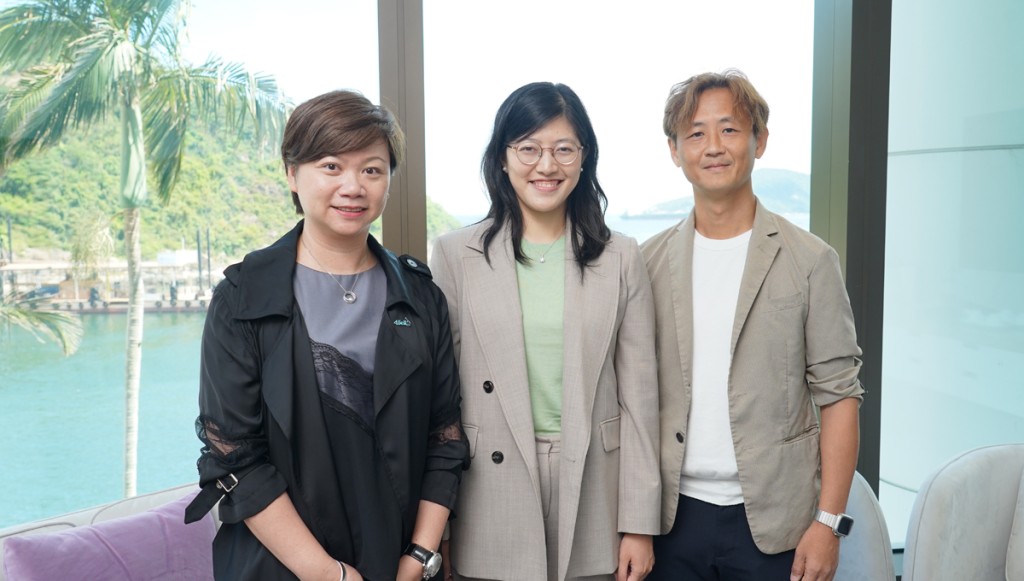
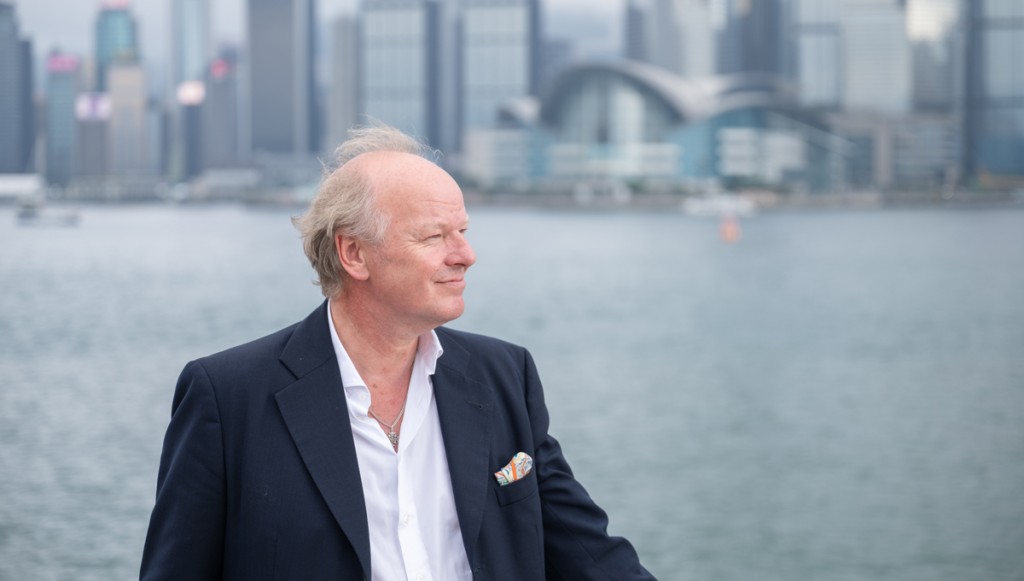
Eric Swinton, founder and CEO of a social enterprise V Cycle, participated in the alliance as an “Explorer” to learn from industry peers and improve their actual implementation on carbon reduction.
The program can leverage experiences from different sectors to facilitate mutual learning and influence, thereby promoting the development of Hong Kong's carbon emissions ecosystem. (From left, Helen Chan, Priscilla Lin, Eric Swinton)
“We have been helping our partners with carbon reduction by recycling, but we have never worked on our carbon calculation. Although we have limited resources, we hope to disclose our carbon data while helping our partners with carbon reduction,” he said.
Setting Goals to Reduce Carbon Footprint
Urban Spring, a local small-and-medium enterprise providing water stations, joined to enhance its carbon footprint analysis as a “Motivator”. Helen Chan, head of partnerships of Urban Spring said the alliance can help them to manage a more precise carbon calculation and further set up their carbon target in the long term.
“As a small-and-medium enterprise, we hope we can improve our operation in the long term through learning from the merits of our industry peers,” Chan said.
Contributing to Support Industry Peers
French multinational corporation Schneider Electric, which specializes in digital automation and energy management, is committed to assisting 1,000 suppliers to reduce half of their carbon emissions since 2021. Sharing the same vision to build a green supply chain, they participated in the alliance as a “Motivator”.
Priscilla Lin, sustainability and strategy manager of Schneider Electric (Hong Kong)said: “We hope we can utilize our experience and knowledge we possessed to help our industry peers to achieve carbon neutrality in Hong Kong. Carbon neutrality cannot be achieved by a single corporation, but the whole value chain, so we participated in this alliance.”
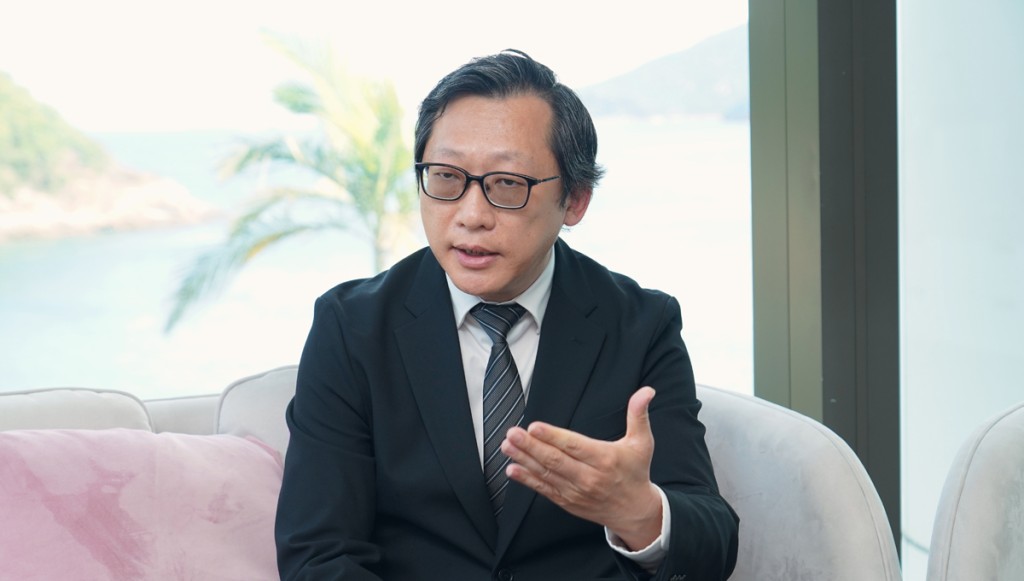
Billy Lai said that many small and medium-sized enterprises have relatively insufficient awareness and resources on Scope 3 emissions.
Diverse Industry Participation
With SGS Hong Kong as a strategic partner for professional verification of carbon data, the alliance also collaborates with the Centre for Civil Society and Governance of The University of Hong Kong, Ernst & Young, the SME Sustainability Society, and the World Wide Fund for Nature Hong Kong as knowledge partners to share their carbon management insights and experiences.
Billy Lai, deputy director (business assurance) of SGS Hong Kong said SGS would collect suppliers’ carbon data and evaluate its transparency and accuracy for each verification.
Lai noted that some suppliers lack resources and carbon awareness on Scope 3 emissions which account for 60 percent to 90 percent of total carbon emissions for most companies, as well as awareness on ESG (Environmental, Social, and Governance); whereas this program educates them on emissions sources and tracking methods and boosts their understanding through training and knowledge exchange.
It is expected the alliance will further expand and invite more suppliers with flexible criteria and achieve a global chain effect for achieving carbon neutralization.