Read More

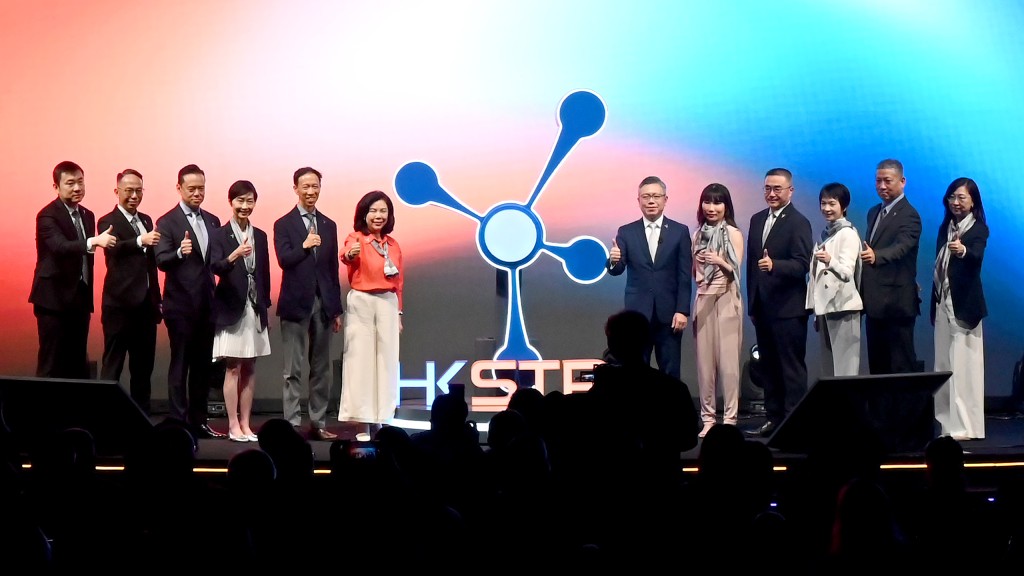
HKSTP kicks off 25th anniversary
31-08-2026 17:51 HKT


The Standard Unveils Strategic Revamp
04-06-2026 17:35 HKT

Redefining Media through Community and Storytelling
29-05-2026 10:55 HKT





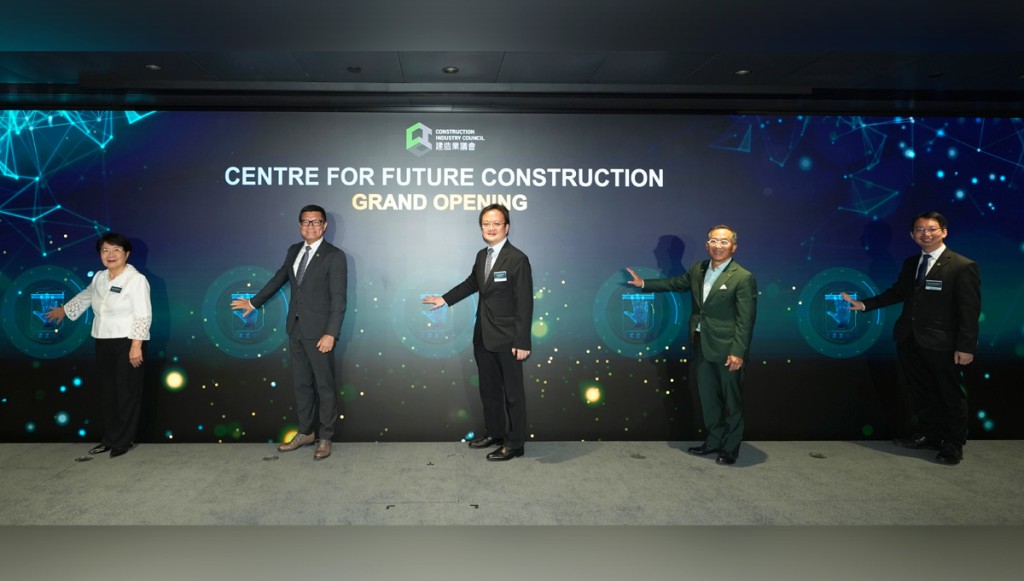
In a groundbreaking initiative, the Construction Industry Council (CIC) has officially launched the Centre for Future Construction (CFC), a state-of-the-art facility covering over 10,000 square feet on the third floor of the Hong Kong Institute of Construction (HKIC) - Kowloon Bay Campus.
The Centre for Future Construction (CFC) offers comprehensive training on the latest industry technologies and showcases their practical applications, allowing participants to observe innovations in real-world scenarios.
During the grand opening of the CFC, Ir Prof. Thomas Ho, Chairman of the CIC, remarked, “The Centre for Future Construction is dedicated to providing comprehensive training that will empower our students to become future leaders in the industry. By leveraging the advanced technologies available in CFC into the curriculum, we are ensuring that all of us are hands-on and well-prepared to meet tomorrow’s challenges. We hope that the Centre for Future Construction will be the beacon of innovation for the construction industry in Hong Kong, guiding the way for the talents of the construction industry.” He believes that the Centre’s dynamic environment will allow professionals, students, and enthusiasts alike to explore the future of construction.
The CFC features five specialized hubs, each designed to provide targeted training in key areas of construction technology: the 4S Hub, AI Hub, Digital Twin Hub, Immersive Cave, and Robotic Hub.
4S means Smart Site Safety System, this area displays 4S equipment, such as MEWP safety sensors, along with smart safety helmets and smartwatches. Participants can also engage in interactive demonstrations with AI cameras, tower cranes, and mobile plants, providing a comprehensive understanding of modern safety measures. They will have the opportunity to interact with real smart safety components and gain hands-on experience with innovative setups.
The AI Hub serves as an interactive platform showcasing the latest advancements in artificial intelligence, particularly its applications in construction projects. This hub aims to help participants understand how to effectively implement AI tools in real-world scenarios. Highlights within the AI Hub include AI avatars, a safety AI large language model (LLM) chatbot, and hands-on experiences with AI robotic arms. Real-world AI applications are also showcase in the hub to illustrate the practical benefits of integrating AI technology.

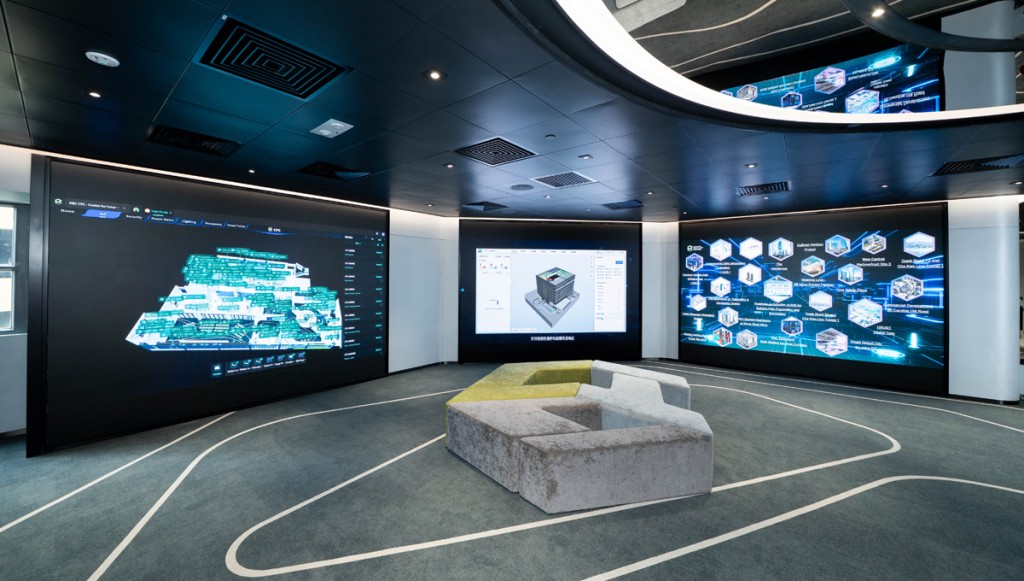
The Digital Twin Hub focuses on Digital Twin technology and Building Information Modelling (BIM), two revolutionary approaches that are reshaping how construction projects are designed and managed. This space highlights how digital twins can enhance design, construction, and facility management processes. Key features include demo videos, IoT hands-on experiences, and advanced digital platforms, which facilitate collaborative project management.
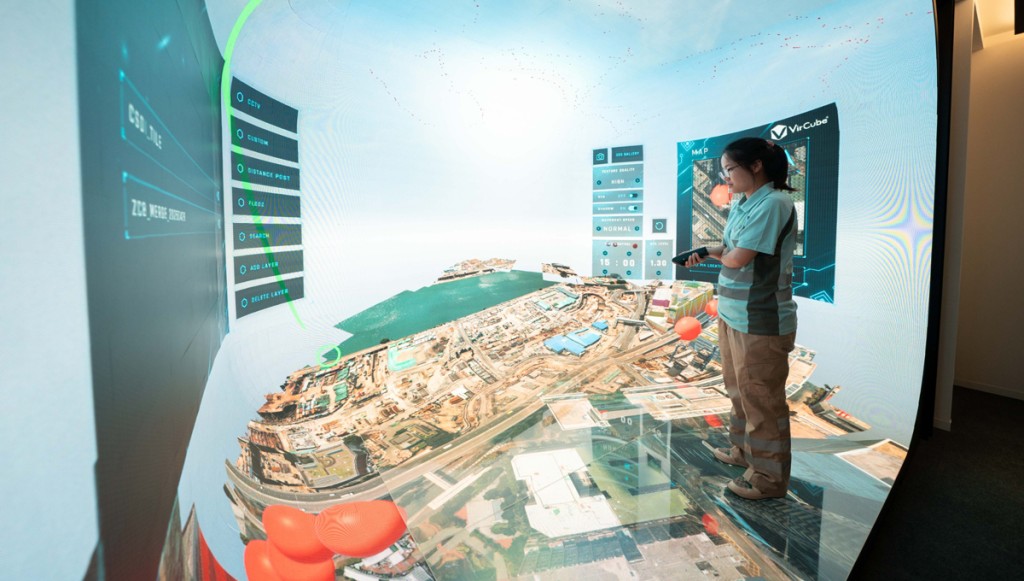
The Immersive Cave offers visitors a chance to engage with cutting-edge training simulations using virtual reality (VR) and augmented reality (AR) technologies. This area is designed to enhance understanding of BIM, Modular Integrated Construction (MiC), and site safety through interactive learning experiences. Content offerings in the Immersive Hub include training simulations for site safety, spatial data visualization tools, and remote inspection technologies like the Eagle Eye system.
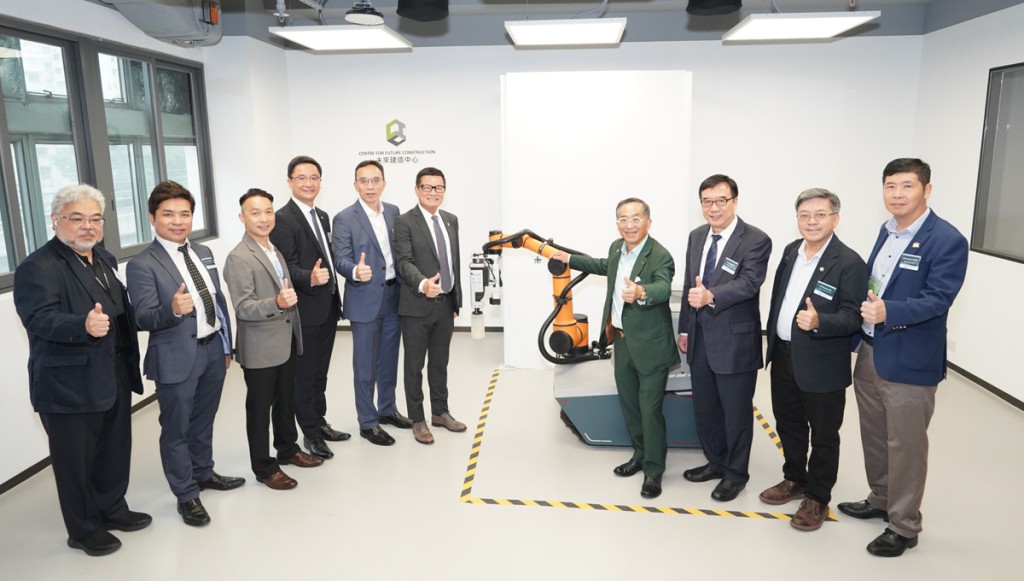
Lastly, the Robotic Hub is dedicated to showcasing advanced construction robots and providing a workshop area where students can gain practical experience. This hands-on approach is crucial for preparing the next generation of construction professionals.
Key components of the Robotic Hub features advanced construction robots, such as automated drilling robots and wall finishing robots, allowing HKIC trainees to experience their efficiency and safety benefits.
"We expect to see over 7,000 graduates each year, equipped with hands-on experiences with the latest technologies, ready to lead the industry forward and maintain our competitive edge on a regional scale,” said Ir Albert Cheng, Executive Director of the CIC. The Centre also regularly hosts master classes for the construction industry sector. Recently, the first cohort of the ‘CIC Master Class on Systems Thinking’ completed their course, while the ‘CIC Master Class on Digital Leadership’ is set to launch in July.
The CFC aims to empower the workforce of tomorrow by providing hands-on training and fostering partnerships with industry leaders. By integrating advanced technologies and innovative training programmes, the CFC is poised to shape the future of the construction industry, driving productivity and safety.