Read More


The Standard Unveils Strategic Revamp
04-06-2026 17:35 HKT

Redefining Media through Community and Storytelling
29-05-2026 10:55 HKT


Secures Prestigious “Grand Award” with Top Score Across Industries
08-07-2025 09:30 HKT



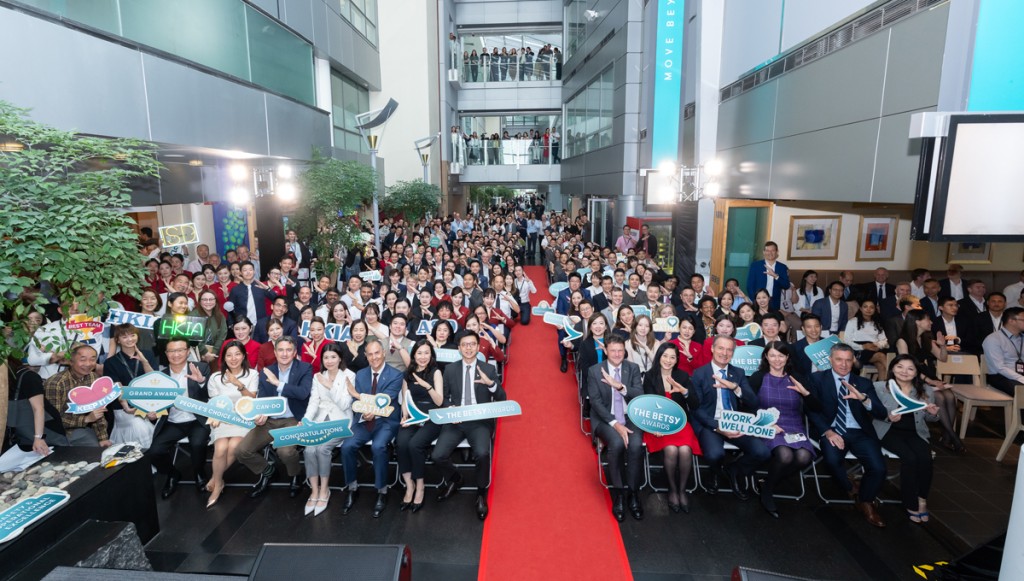
Cathay recently hosted its revamped Betsy Awards ceremony at Cathay City in Hong Kong, recognizing the outstanding achievements of its employees. Named in honor of Cathay Pacific’s first aircraft and its pioneering founders, Roy Farrell and Sydney de Kantzow, the awards underscore Cathay’s commitment to celebrating exceptional contributions. The Betsy Awards align with Cathay’s core values – thoughtful, progressive, and can-do – and its areas of leadership on safety and operational excellence, digital, and sustainability.
Chief Executive Officer Ronald Lam emphasized the importance of recognition in fostering a culture of excellence. “Our people are at the heart of everything we do,” he stated. “The Betsy Awards symbolize our appreciation for their relentless pursuit of excellence, innovation, and teamwork.” Director People Patricia Hwang added that the awards inspire teams to push boundaries and deliver exceptional service by aligning recognition programs with core values and strategic priorities.
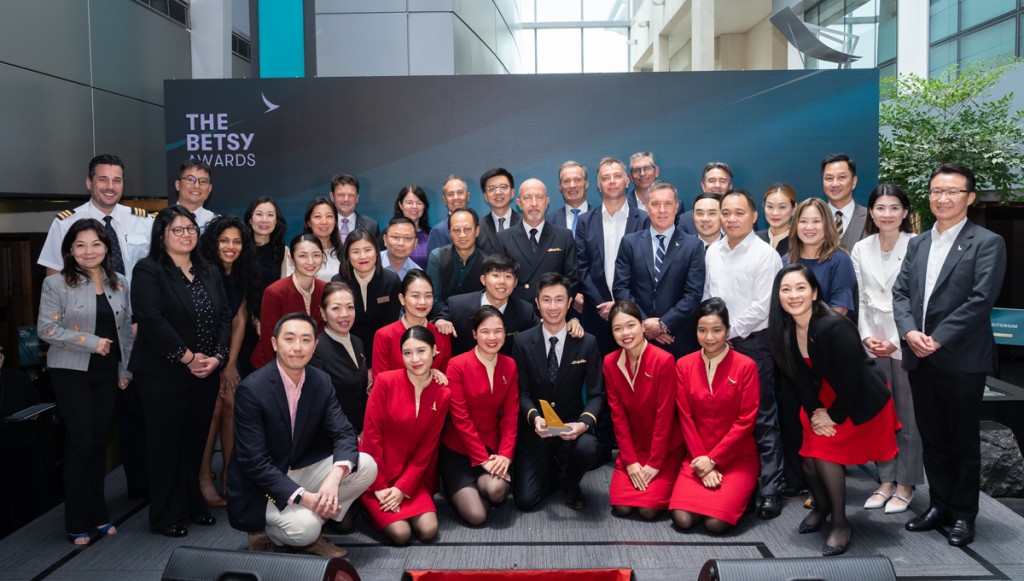
This year, 18 winning stories emerged from over 200 nominations. One standout was the “Making Every Drop of Water Count” initiative, which won in the Sustainability Leadership category. This cross-departmental team developed a system to dynamically calculate and load only the necessary amount of potable water for each flight, replacing the practice of filling tanks to capacity. This reduces unnecessary weight, fuel consumption, and carbon emissions.
The initiative’s impact was immediate. On its first day, it saved 37 tonnes of weight across applicable fleets, equivalent to 2.8 tonnes of fuel and a nine-tonne reduction in CO2 emissions.
Captain Tony Pringle, a line operations manager, explained the project’s origins: “About two years ago, this initiative was raised by the line maintenance head. The idea was to dynamically change the amount of potable water we carry because we often don’t use most of it.”
However, the team faced challenges. Senior line maintenance engineer Deaky Wong noted, “This project involved many different departments – airports, IT, engineering, flight operations – which made compromise difficult.” Pringle added that previous attempts had been met with skepticism. “Our team had been told repeatedly that it couldn’t be done.”
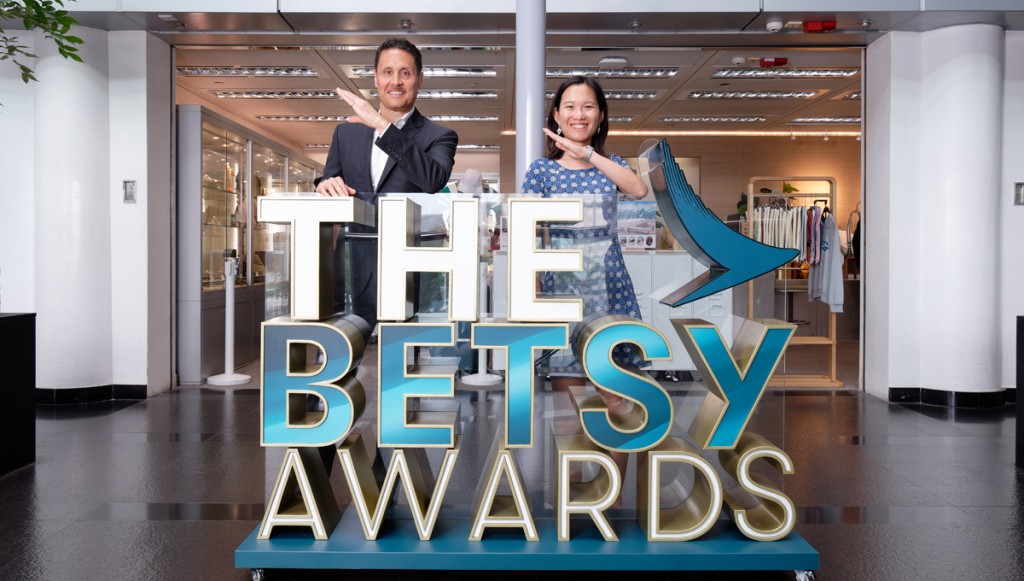
To overcome these obstacles, the team meticulously analyzed over 200 reports from previous iterations to identify shortcomings. “We figured out what wasn’t working and built mitigations to prevent recurrence,” Wong explained. A key innovation was leveraging technology. “We use technology to determine how much water to load on each flight, based on passenger numbers and flight duration.”
The team’s motivation stemmed from a collective desire to contribute to Cathay’s sustainability goals. Data-driven insights and rigorous planning ensured the changes didn’t compromise passenger comfort or safety.
The process involved a detailed study of water consumption on various flights
“We determined a formula based on passenger numbers, flight length, and considerations like destinations where we don’t uplift water due to quality concerns,” Pringle explained. “The engineers use an app to calculate the amount, order it, and the ground-handling agent loads it. We have cross-checks to ensure accuracy, and the load sheet reflects the correct amount.”
The project has expanded beyond regional flights. “We recently extended it in April to medium-haul routes, including the Middle East, and long-haul routes to Europe, Australia, and New Zealand,” said Wong.
Looking ahead, Cathay aims to further refine the project. “We’re reviewing the water buffer to see if we can reduce it further, as we’ve noticed that even on regional flights, we often carry more than necessary,” Wong stated. Pringle concluded, “We’ll continually improve and tweak the water amounts and buffers. It’s a continuous effort and process of minor improvements that will drive further fuel savings.”