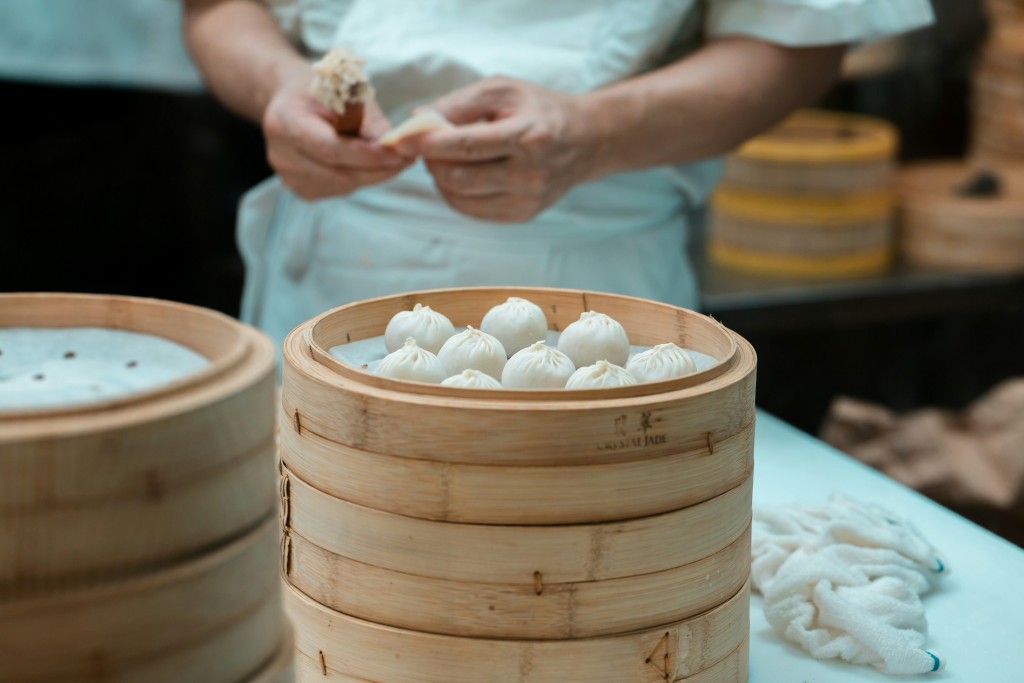
A dim sum chef with 10 years of experience says his restaurant is switching to pre-made products, reducing his role to merely reheating food, and he fears his skills are becoming obsolete.
The chef, who posted on social media last Wednesday (Jul 29), said his employer is cutting costs by using frozen, pre-cooked dim sum shipped from across the border.
“I feel so lost now,” he wrote, adding that he is looking to transfer to another restaurant.
“I don’t have high expectations, just HK$25,000 a month,” he said. “Is there any restaurant in Hong Kong that still hires dim sum chefs?”
His post quickly went viral, sparking a wider debate about whether hand-made dim sum is being gradually phased out in the city.
Netizens noted that large chain restaurants have relied on centralized kitchens, but now even independent establishments are adopting the practice on a large scale.
Some commenters criticized the trend. “The moment a restaurant decides to use factory-made dim sum, it’s essentially business suicide,” one user wrote. Another commenter wrote about the grim future of kitchen staff: “Chefs will soon become just reheaters with no real skills left.”
While the chef’s situation appears bleak locally, many commenters strongly encouraged him to emigrate, arguing his skills are highly valued abroad. “Dim sum chefs are treasures!” one wrote. “Overseas, they’re fighting over them with high salaries.” One user claimed a dim sum chef in the United Kingdom can earn £3,000 (about HK$31,000) or more per month.
Beyond emigration, some urged the chef to start his own business in Hong Kong. They argued that with so many pre-made, soulless products flooding the market, diners who appreciate hand-crafted dim sum will naturally favor independent shops.
Others offered a harsher dose of reality. “After 10 years in the business, if you’re still young, change careers now, this industry has no future,” one commenter wrote.
Many netizens reflected that the chef’s situation might represent a microcosm of Hong Kong’s traditional food industry in transition.
As the delicate craft of “made-to-order, steamed-on-demand” dim sum is increasingly replaced by pre-made products, diners may be losing not just a culinary experience, but also a part of Hong Kong’s unique food culture.