Read More













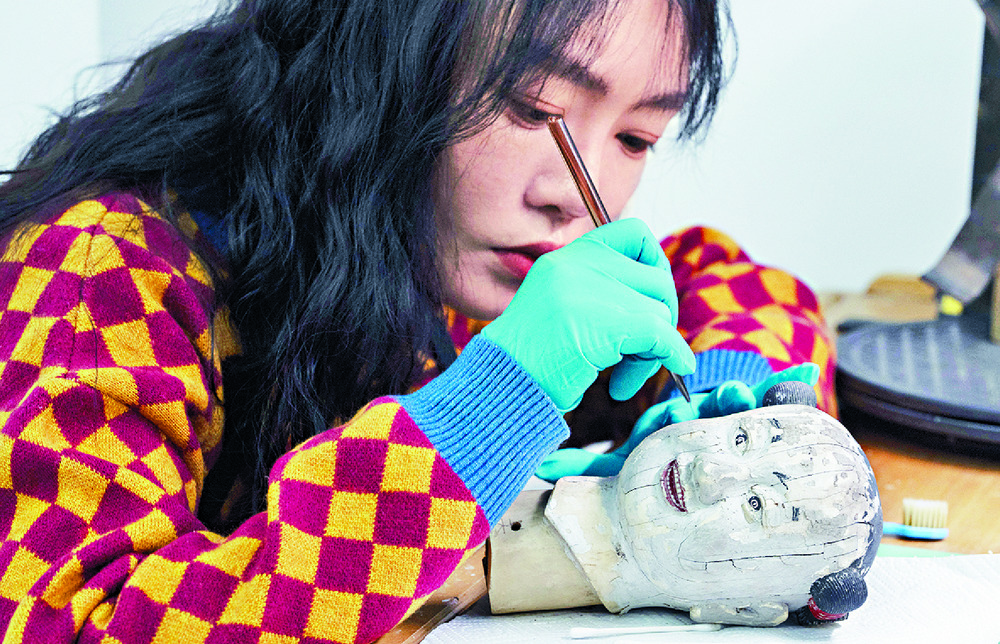
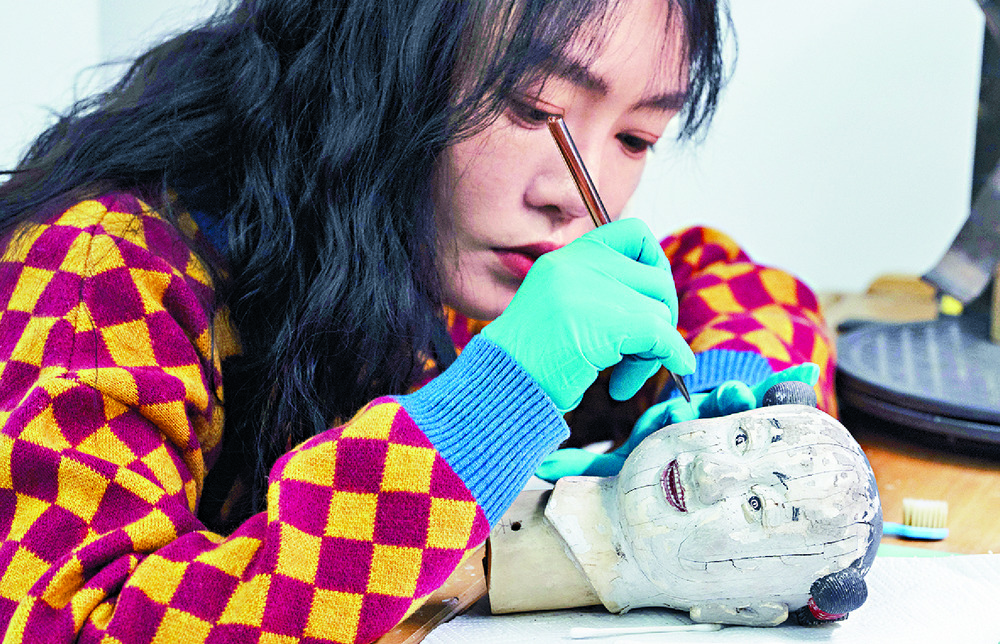
The fragment being examined has a dark area on its surface that restorers want to understand. Their objective is to better preserve the artifacts at the sprawling imperial palace, the former home of China's emperors and its seat of power for hundreds of years.
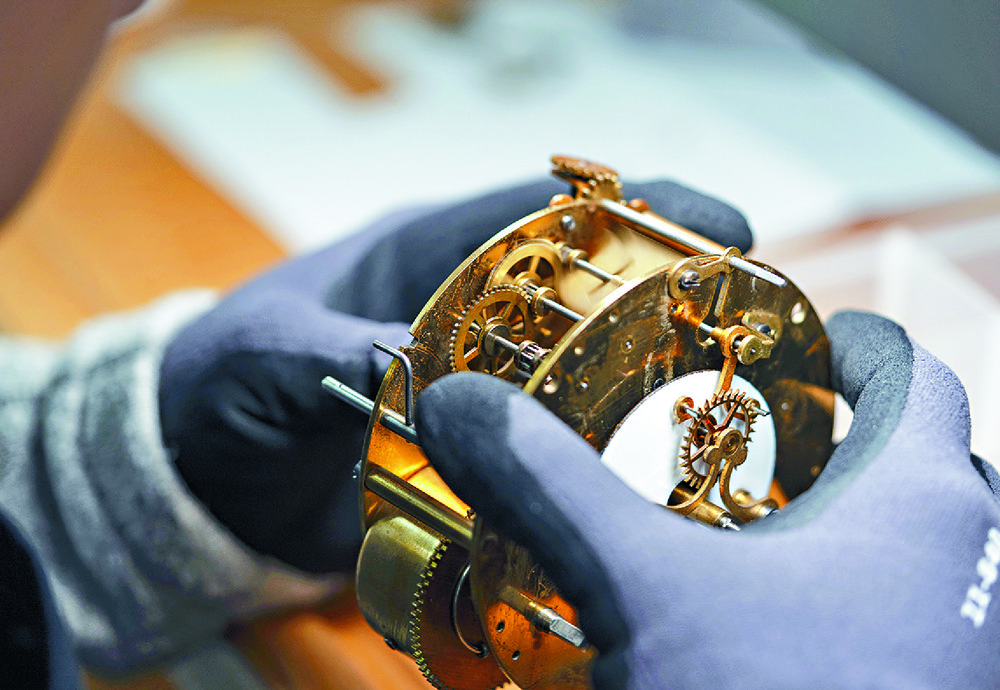
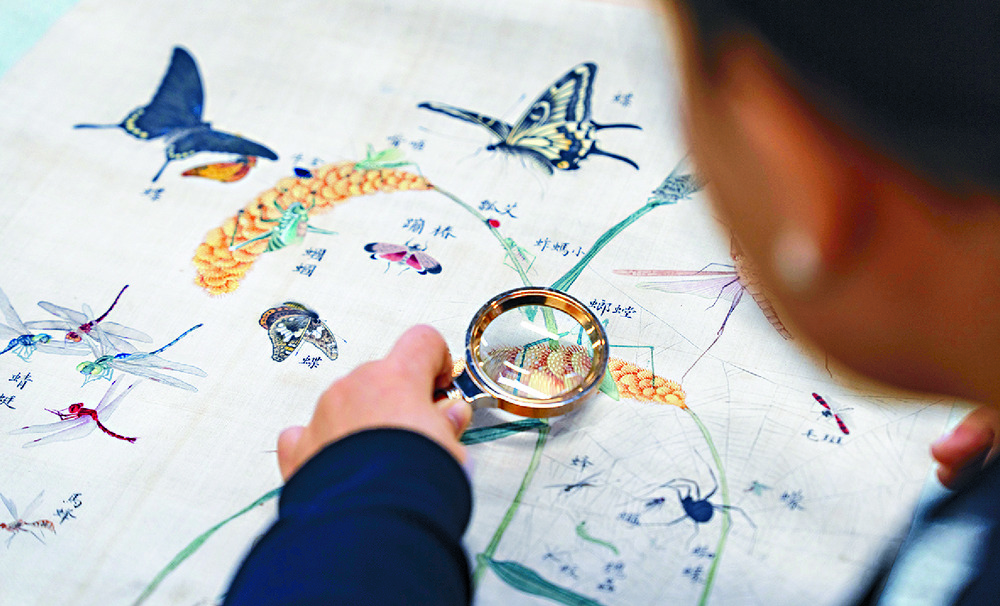
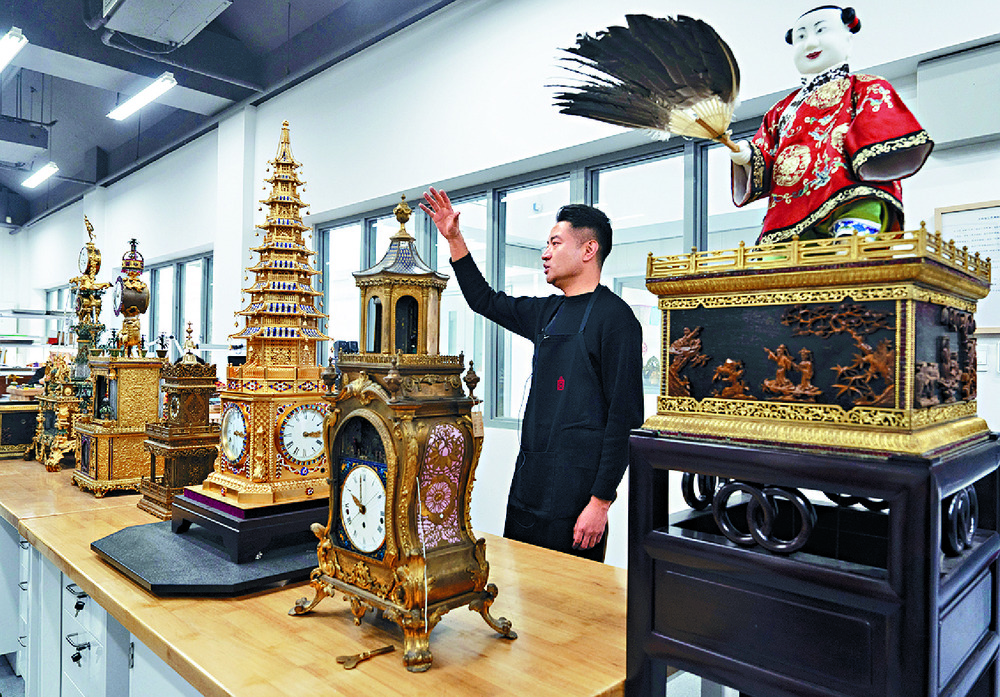
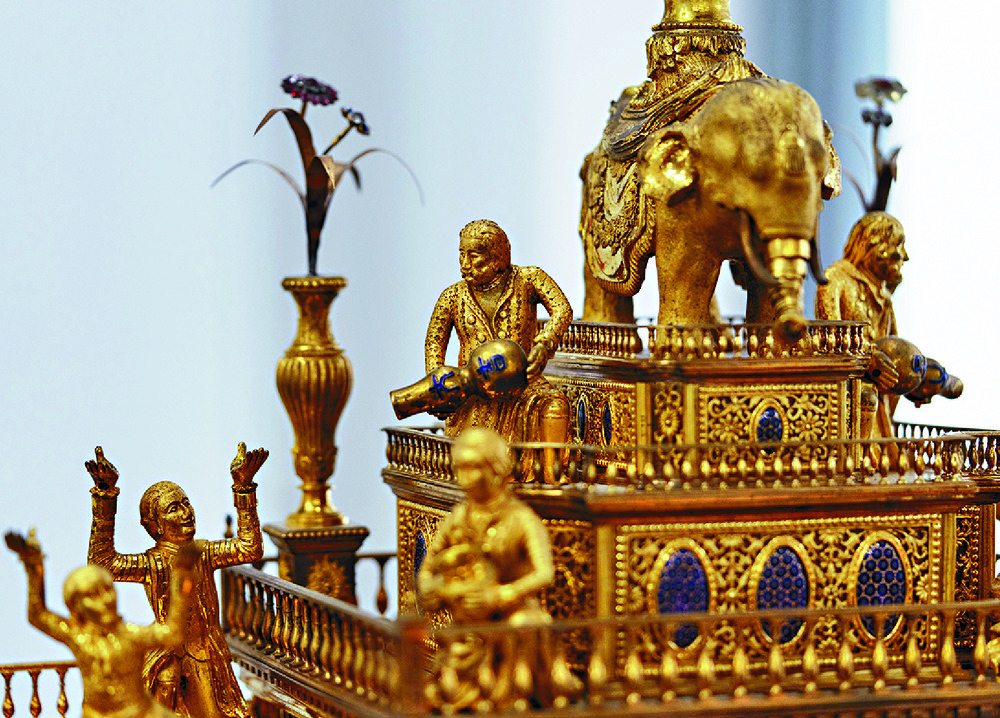
About 150 workers on the team fuse scientific analysis and traditional techniques to clean, patch up and otherwise revive the more than 1.8 million relics in the museum's collection.
Down the hall from the X-ray room, two other restorers patch up holes on a panel of patterned green silk with the Chinese character for "longevity" sewn into it, carefully adding color in a process called "inpainting."
The piece is believed to have been a birthday gift to Empress Dowager Cixi, the power behind the throne in the late 19th and early 20th century.Much of the work is laborious and monotonous - and takes months to complete.
"I don't have the big dreams of protecting traditional cultural heritage that people talk about," said Wang Nan, one of the restorers. "I simply enjoy the sense of achievement when an antique piece is fixed."Now a major tourist site in the heart of Beijing, the Forbidden City is the name that was given to the sprawling compound by foreigners in imperial times because entry was forbidden to most outsiders. It is formally known as the Palace Museum.
Restoration techniques have evolved, said Qu Feng, head of the museum's Conservation Department, though the old ways remain the foundation of the work.When we preserve an antique piece, we "protect the cultural values it carries," Qu said. "And that is our ultimate goal."
Associated Press