Cici Cao
China's trade-in scheme for consumer electronics has failed to get the tills ringing with buyers purchasing fewer than two subsidized items per person, despite being eligible to buy up to three.
This suggests that the government's push to stimulate domestic spending may have fallen short.
Data from the Ministry of Commerce showed around 20 million consumers applied for subsidies on 25.4 million digital devices since the scheme's launch on January 20.
China had broadened its national trade-in program for home appliances and cars to include personal devices such as phones, tablets and smart watches, offering 15 percent subsidies for products priced under 6,000 yuan (HK$6,395).
The subsidies are capped at 500 yuan for each purchase, while consumers can enjoy the reduction for one item per category.
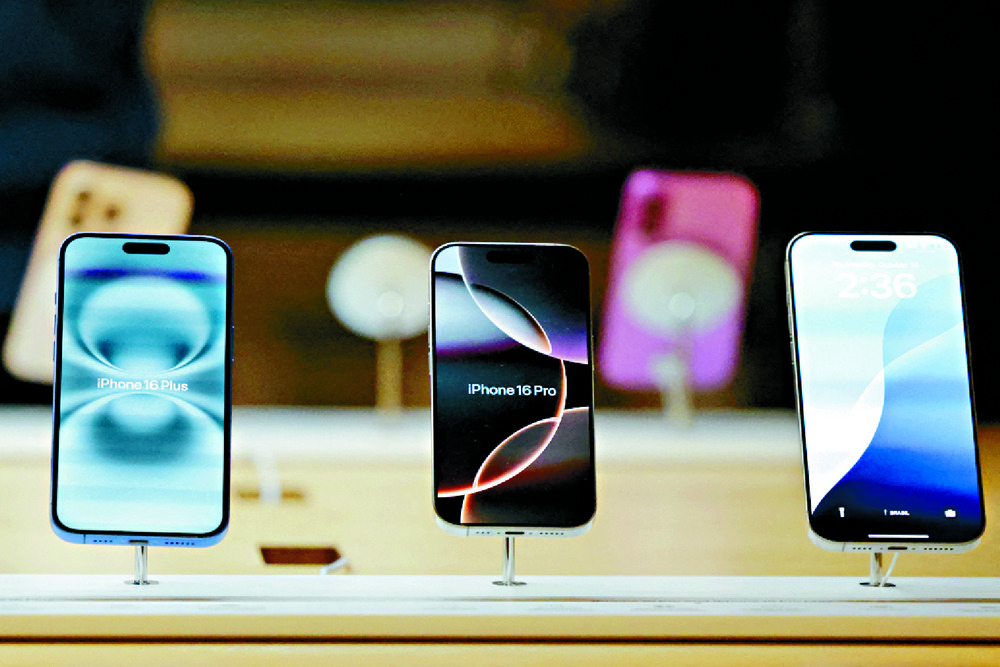
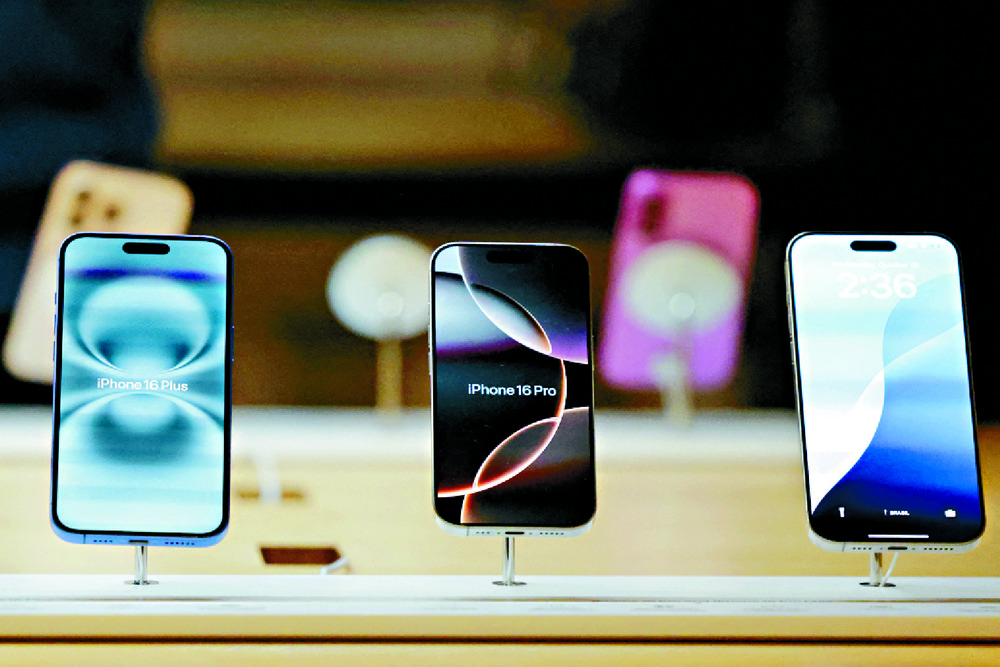
To meet the price cap, smartphone giant Apple slashed prices for its iPhone 16 Plus 128GB by 1,000 yuan, while rival Huawei lowered the price on one of its Mate60 Pro models to 5,999 yuan.
Despite these efforts, sales so far have failed to match the shipments of some local brands.
According to data from TechInsights, Vivo shipped 26.8 million units and Xiaomi (1810) delivered 42.7 million units in the fourth quarter of 2024.
In other news, the number of foreign firms that set up shop in China rose 9.9 percent year-on-year in 2024, despite a 27 percent decline in foreign direct investment, according to the state-owned People's Daily.
The newspaper pointed out that Walmart reported a 17 percent increase in sales in the mainland in the third quarter 2024, amid speculation that it would pull out of China.
The newspaper added that the decline in FDI was a normal adjustment after inflows exceeded 1 trillion yuan a year between 2021 and 2023.
It also said global multinational investment had shifted toward the service sectors and asset-light strategies, and this had affected inflows of foreign funds.
Apple slashed prices on its iPhone 16 Plus by 1,000 yuan to tempt consumers to loosen their wallets. REUTERS