Read More





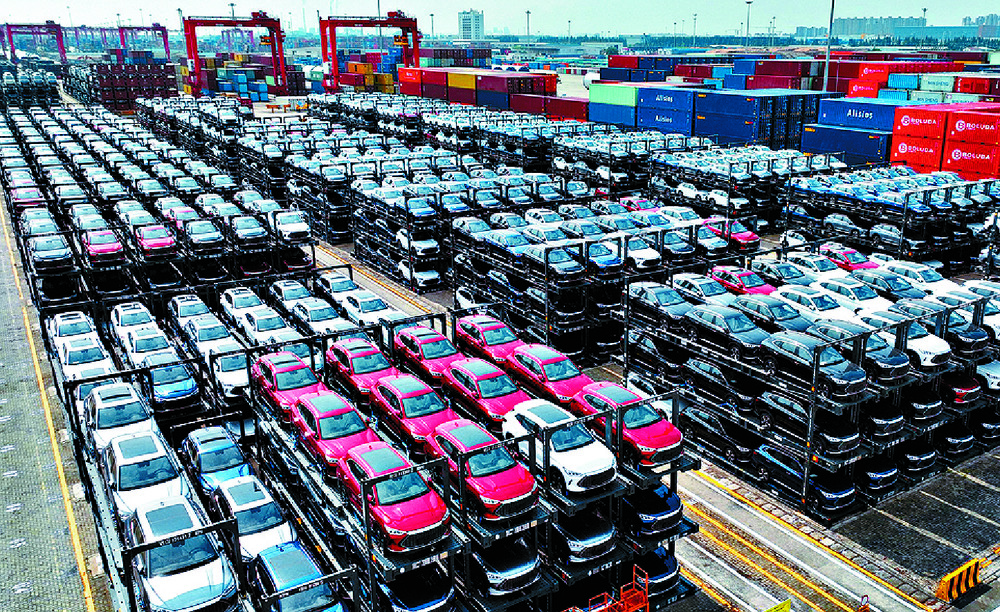
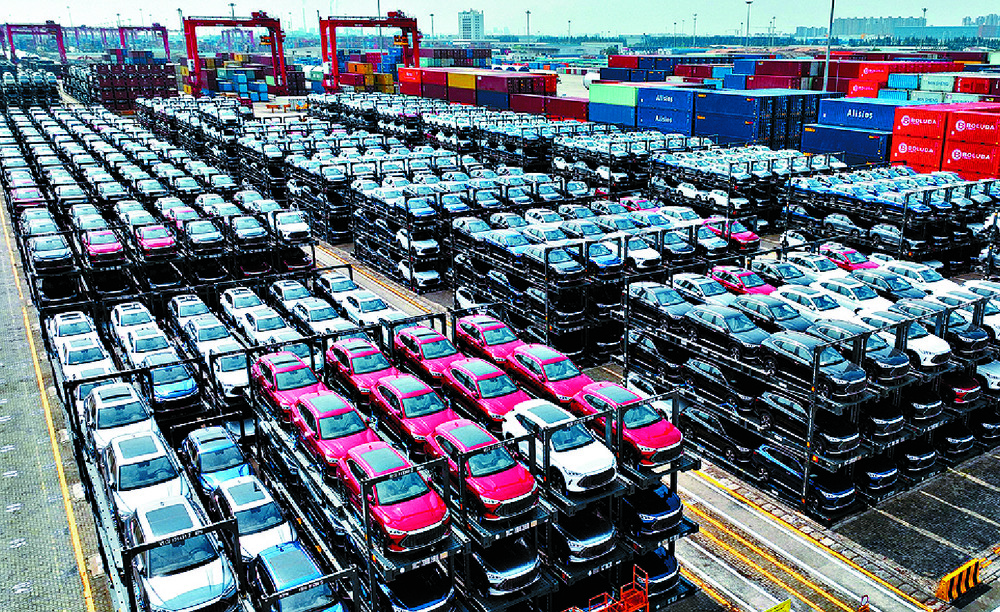
BYD (1211) and a SAIC Motor subsidiary expect their suppliers to cut prices by 10 percent next year in a move that could further escalate price wars amid concerns about US tariffs and China's economic slowdown.
Li Yunfei, general manager of the brand and public relations division at BYD, responded on social media that the price cut is just a goal and negotiable, indirectly confirming the rumors.
Additionally, mainland media reported that SAIC Maxus Automotive informed its suppliers of its target to cut costs by 10 percent in 2025.
Maxus, which mainly manufactures multi-purpose vehicles, saw its sales shrink 14 percent year-on-year for the first 10 months of the year.Both carmakers mentioned in their letters that the market competition will be fiercer in 2025 and cost reduction will be key to the industry.
Earlier this week, Nio (9866) chairman William Li Bin said that the EV race has entered the most brutal phase and the company must turn profitable in 2026.The price cut goals for vehicle component suppliers, however, indicated that the cost control pressure has been extended to more stakeholders in the industry from EV makers who have been trapped in a prolonged price war.
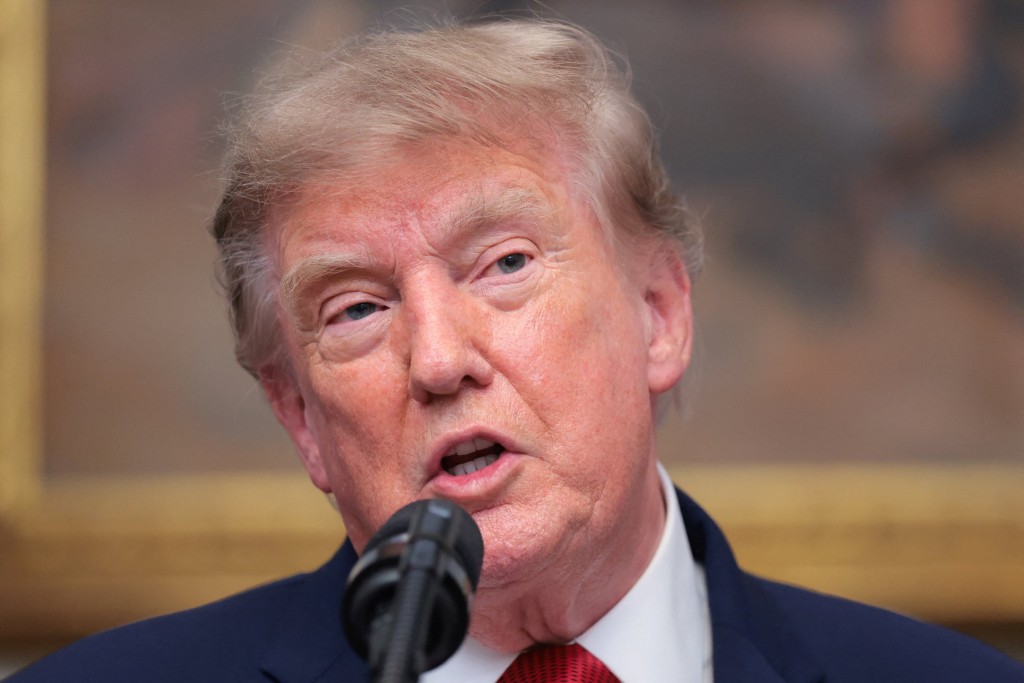
Notably, BYD already stands out with its strict control of the supply chain, enabling it to have an estimated cost edge of up to 35 percent over its US and European rivals and top Chinese carmakers by selling over 500,000 units in October.It comes as US president-elect Donald Trump pledged to impose an additional 10 percent duty on Chinese goods and the European Union is still negotiating with Beijing about tariffs of as high as 45.3 percent on EVs from China, adding uncertainties to carmakers' overseas expansion.
In the home market, China is expected to see its economy grow slower by 4 to 4.5 percent next year.Meanwhile, China's Hesai Group, the world's largest maker of Light Detection and Ranging or Lidar sensors for autonomous driving, said it plans to slash the price of its key product by half next year, which should lead to far wider adoption of the technology in EVs.
Separately, China's EV-used lithium battery giant CATL announced a US$1 billion (HK$7.8 billion) investment to build a plant in Bolivia in South America, a move to diversify its supply chain.