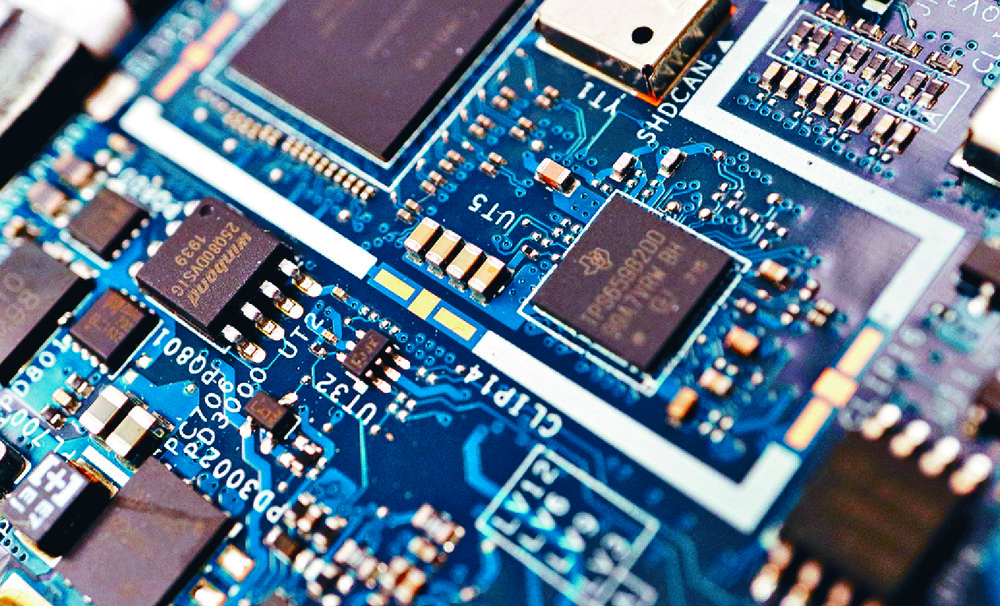
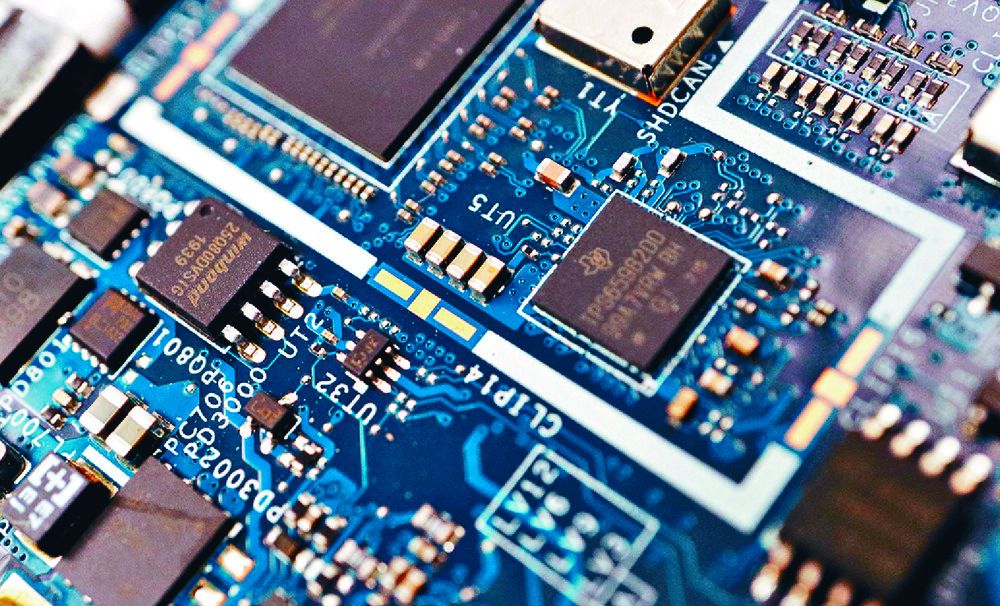
Ukraine's two leading suppliers of neon, which produce about half the world's supply of the key ingredient for making chips, have halted their operations as Moscow has sharpened its attack on the country, threatening to raise prices and aggravate the semiconductor shortage.
Some 45 percent to 54 percent of the world's semiconductor-grade neon, critical for the lasers used to make chips, comes from two Ukrainian companies, Ingas and Cryoin, according to Reuters calculations based on figures from the firms and market research firm Techcet. Global neon consumption for chip production reached about 540 tonnes last year, Techcet estimates.
Both firms have shuttered their operations as Russian troops have escalated their attacks on cities throughout Ukraine, killing civilians and destroying key infrastructure.
The wait times for semiconductor deliveries rose again in February, a sign that shortages are continuing to bedevil chip buyers in a wide range of industries. Lead times - the lag between when a chip is ordered and delivered - increased by three days to 26.2 weeks last month, according to research by Susquehanna Financial. In January, the group reported that delays were getting shorter, the first sign of improvement since 2019.
This came as BlackRock said its total client exposure to Russia has declined to less than US$1 billion (HK$7.8 billion) from US$18 billion a month ago.
The New York asset manager added that the impact on clients would "depend on their initial asset allocation and the timing of their allocations to or away from this market during the period".
Meanwhile, Deutsche Bank reversed course and is now joining Wall Street banks Goldman Sachs and J P Morgan Chase in pulling back from business in Russia following the country's invasion of Ukraine.
Separately, Mercedes-Benz said it has 2 billion euros (HK$17.1 billion) in assets that could be threatened by Russian proposals to nationalize the property of foreign firms. Aircraft leased from Boeing, Airbus and other western companies to Russia may also be forcefully purchased.
But metals magnate Vladimir Potanin said confiscating assets of companies that have fled Russia since the invasion of Ukraine would shatter investor confidence for decades and take Russia back to the calamitous days of the 1917 Bolshevik revolution.
In other news, Britain's regulatory bodies said the use of crypto assets to circumvent economic sanctions was a criminal offense, and that sanctions did not differentiate between crypto and other forms of assets.