





Read More

US consumer confidence eases in July
8 hours ago


10 mainland women arrested in Tsuen Wan anti-vice operation
28-07-2026 04:04 HKT
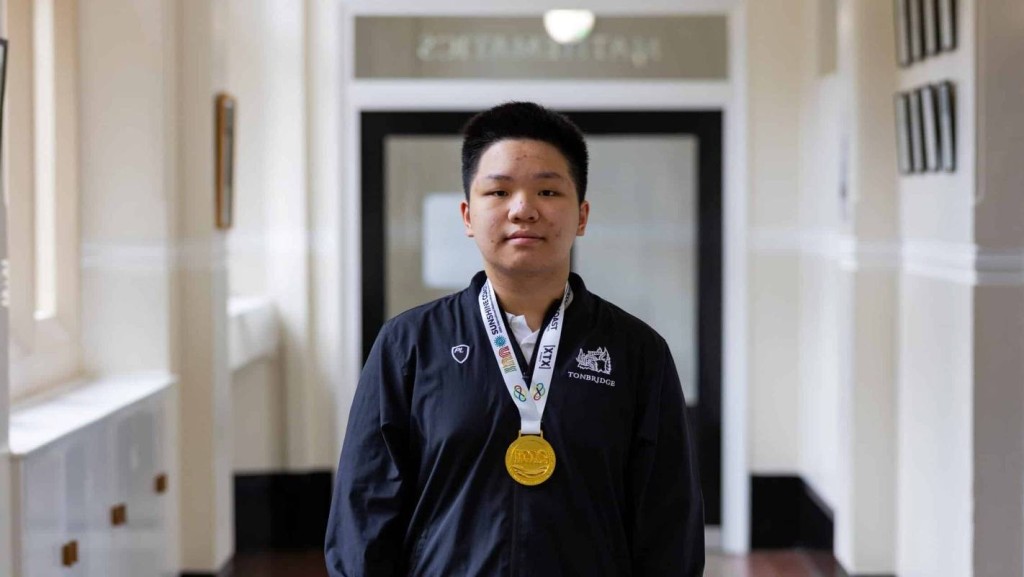
Alex Chui makes IMO history with perfect score and record seventh medal
27-07-2026 19:51 HKT
Recently many US stock investors have been placing their bets on special purpose acquisition companies because their share prices have been rising rapidly.
Take Churchill Capital Corp IV for example. Its market price was only US$10 last September, while its closing price was more than US$50 last Friday. This means it has witnessed a cumulative rise of more than 400 percent in less than half a year.
Formed by Wall Street veteran Michael Klein, the company's Class A stock was trading around US$10 after its launch - which was in line with its SPAC status - before a sudden rise in January this year.
As the shares of a bunch of SPACs began to skyrocket, there was a lot of chatter in the market about whether a bubble is growing in US stocks.
So, what exactly is a SPAC?
Well, a SPAC is an empty shell company with no business and its only purpose is to raise funds through an IPO and then acquire some promising but not very profitable company - giving the acquired company a backdoor listing.
However, a SPAC is a bit different from Hong Kong's "shell" firms because a SPAC does not really know what its takeover target is at the time of applying for an IPO.
The management of a SPAC are usually well-known global fund managers or well-known names in financial and technology, like PayPal founder Peter Thiel and local billionaire Richard Li, who jointly established Bridgetown Holdings, which listed on the Nasdaq in October, to seek to bring companies public by acquiring them.
Therefore, a SPAC is created through the vision and experience of its management team while, on the contrary, "shell firms" in Hong Kong wait for investors to show up and be acquired. So, the two are completely different.
A SPAC has to complete the entire process - from the launch of its IPO to an acquisition - within 24 months. Otherwise, it would be forced to liquidate and return its cash to shareholders.
Since the market price of a SPAC usually US$10 a share, the money to be returned would be US$10 a share as the base, after deducting two years of expenses, including management salaries, office rents, etc.
If the shares of a SPAC have risen sharply but it fails to complete the merger and acquisition in 24 months, the loss for those investors who bought the shares would be not only the two years of operating costs but also the spread to buy the SPAC above the IPO price.
So why have SPACs suddenly become a craze, given that investments in them are constrained by a deadline?
Global IPOs raised US$63 billion in January, but 41 percent of these funds - or US$26 billion - came through SPACs and this worries Goldman Sachs strategist David Kostin, who believes this is a sign of a market bubble in America.
But will the SPAC bubble explode any time soon?
It's possible that these shares will continue to rise over the next three months since the SPAC deluge is continuing, and many investors are unable to find other appropriate avenues for their cash.
When there is no other way out, funds will be invested in SPACs in the hope that the management of these firms - through their vision and network - will bring great rewards for investors.
Business magnate and Tesla founder Elon Musk recently revealed that the carmaker has invested in bitcoins, leading many to believe that the cryptocurrency is a good investment bet.
The price of bitcoin has risen more than ten-fold in less than a year and this follow-the-celebrity way of investment is no different from investing in a SPAC.
The celebrity effect also raises another question about the growing wealth gap between the rich and poor, globally. Why does it all come back to the divide between the rich and poor ? I shall tell you next week.
Andrew Wong is chairman and CEO of Anli Securities