Read More


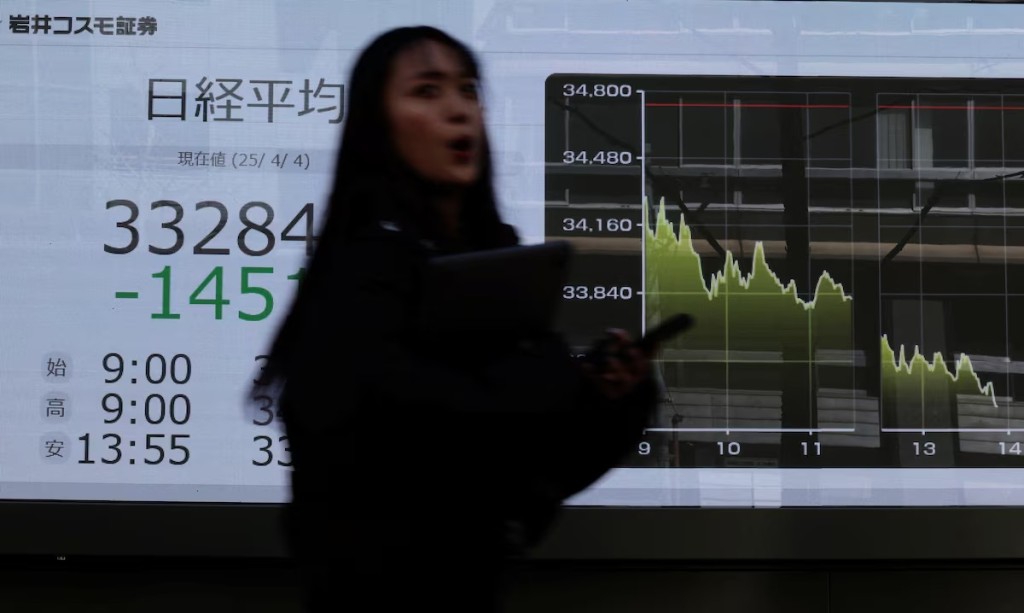
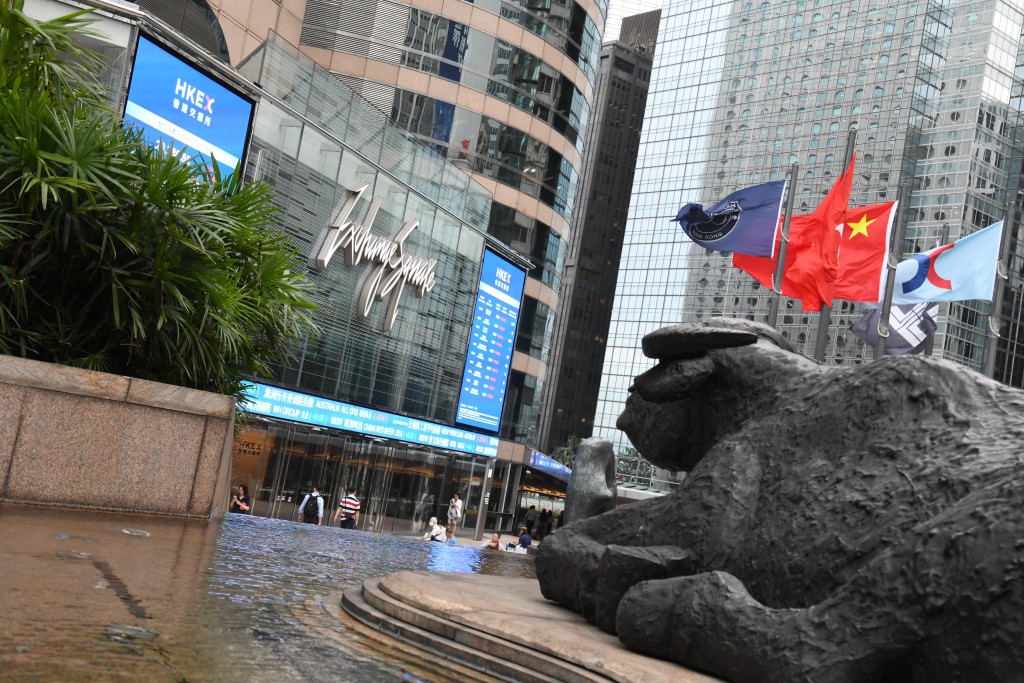





The HSBC Navigator report interviewed over 10,000 enterprises from 39 markets from September to October, including 351 Hong Kong firms.
Around 75 percent are reforming their business operations -- the highest in the world -- reflecting the flexibility of Hong Kong companies.
In order to achieve long-term growth in business, 52 percent of them also treat digital platform and tools as a major development in the future, while 48 percent focus on operation flow innovation and reform on the supply chain.
Besides, almost all Hong Kong enterprises are concerned about the supply chain. In order to strengthen their resilience, Hong Kong firms will reshape their supply chains and adopt suppliers that are closer to their customer base.Over 80 percent of them plan to expand their international business within 3-5 years.
Half of them will expand in international markets to seek new suppliers and trade partners, raise their competitiveness, and grab the chance of customer growth. Sixty percent of them reckon the Asia-Pacific region is the best for expansion.Meanwhile, the value of annual foreign direct investment from mainland China to Asean jumped 85 percent in the five-year period from 2014 to 2018, when compared with the four-year period before the implementation of the Belt and Road Initiative, recent research showed.
Chinese investments into Asean continued to grow strongly, rising 53 percent year-on-year in the first half of 2020.The research was conducted by UOB and the Hong Kong University of Science and Technology's Institute for Emerging Market Studies from 2018 to 2020 .