Read More







Teenager arrested at Hong Kong airport for luggage theft
02-10-2026 14:00 HKT
HK raises minimum wage for foreign domestic helpers to $5,220
02-10-2026 18:06 HKT
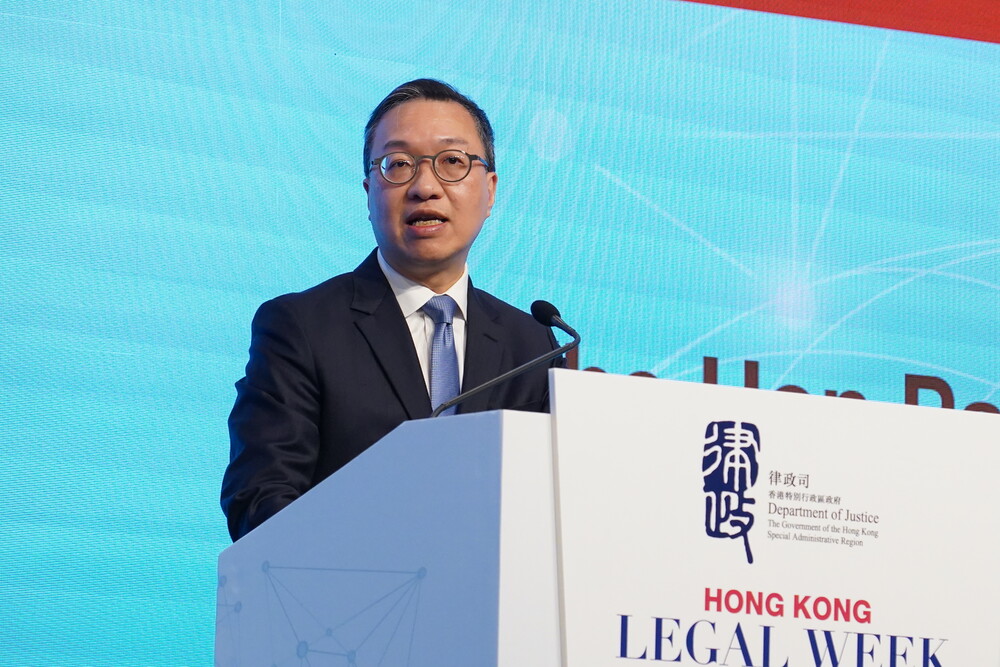
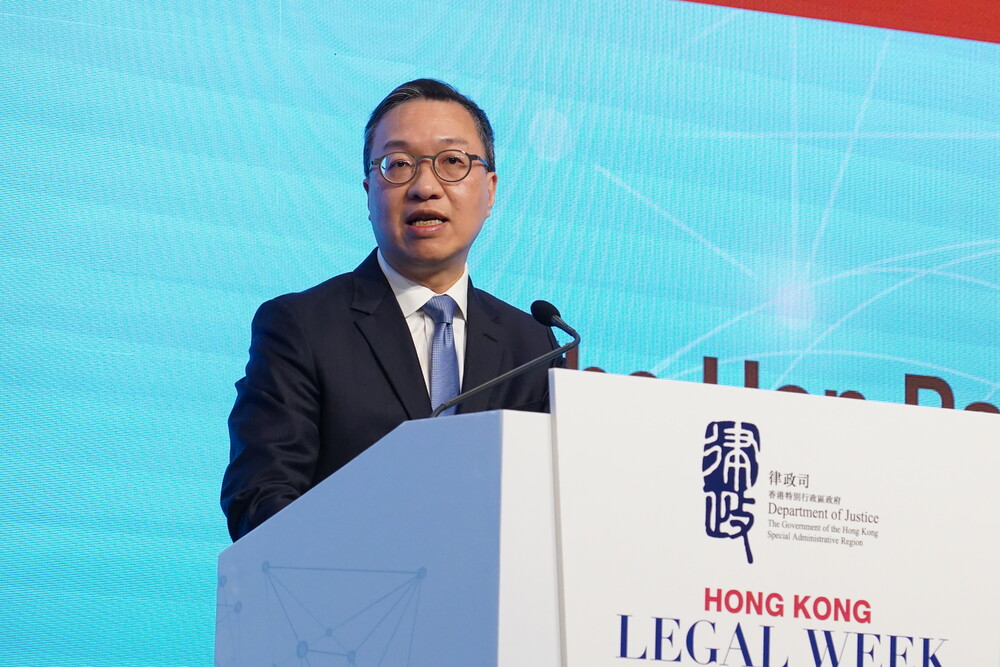
Only the maximum penalty of each offense will be listed under Basic Law Article 23 legislation, unlike the current national security law, Secretary for Justice Paul Lam Ting-kwok said.
Lam said the legislation will "most likely" be drafted in common law, which means it will only list out the maximum penalty of each offense, allowing local courts to hand down sentences based on the nature of the crime committed.
"The current national security law is a national law applied in Hong Kong. It was drafted in the mainland, listing out the minimum sentence and its range in tiers," Lam said.
"Citizens need not discuss and compare the penalty of the offenses under the national security law and the future national security legislation after the law enactment."
The government is also looking into ways to delay or stop suspects from meeting their lawyers, as Lam said this is to prevent lawyers from being a channel of communication for suspects to continue their behavior to endanger national security.
"The principle of the International Covenant on Civil and Political Rights is that we cannot unreasonably delay," Lam said.
"We will balance defendants' rights to consult a lawyer, but also prevent defendants from abusing this right.
"It is important that we strike a balance, but the gatekeeping mechanism has to be in place."
As the government plans to allow "public interest" as a defense for disclosing state secrets, Lam said the threshold must be set very high.
"The premise of an exemption is safeguarding national security, and there must be an overriding and urgent reason to get an exemption. Only if the issue could cause serious casualties and there is no other way to let the public know can an exemption be granted."
Secretary for Security Chris Tang Ping-keung said exaggerating legislative or district councillors' performance to incite hatred might also breach the future Article 23 legislation.
"Whether or not a behavior breaches the law will depend on their intention and consequences," Tang said.
"It is very reasonable to provide an opinion on people taking public office, but if they exaggerate things, only illustrate one side of the truth or even make up information and are intended to incite hatred, then he or she will breach the law."
Asked whether disclosing information of the shoddy work scandal at Hung Hom Station will be regarded as "disclosing state secrets," he said this is not a good example, while saying that disclosing the blueprint of Hong Kong's energy supply network to facilitate others to sabotage it might breach the law.
However, affecting the government's reputation does not necessarily endanger national security, he said.
Meanwhile, Financial Secretary Paul Chan Mo-po said the enactment will be beneficial to "maintain a good business environment" in Hong Kong.
He continued: "I believe the overall market situation will remain stable with a good outlook, as it seems to be the markets' consensus that the rate has already reached its peak, which is beneficial to alleviating the pressure in the assets market."
The economy of the country and the SAR has been growing at a stable rate, which will stabilize market expectations and provide a favorable development environment, Chan added.
michael.shum@singtaonewscorp.com
Editorial: Page 4