Read More
Over the past year, universities in Hong Kong grappled with the need to adapt their policies in response to surging utilization of artificial intelligence tools like ChatGPT in academia.
ADVERTISEMENT
SCROLL TO CONTINUE WITH CONTENT
AI had the education sector abuzz, sparking heated debates at the Learning & Teaching Expo 2023.
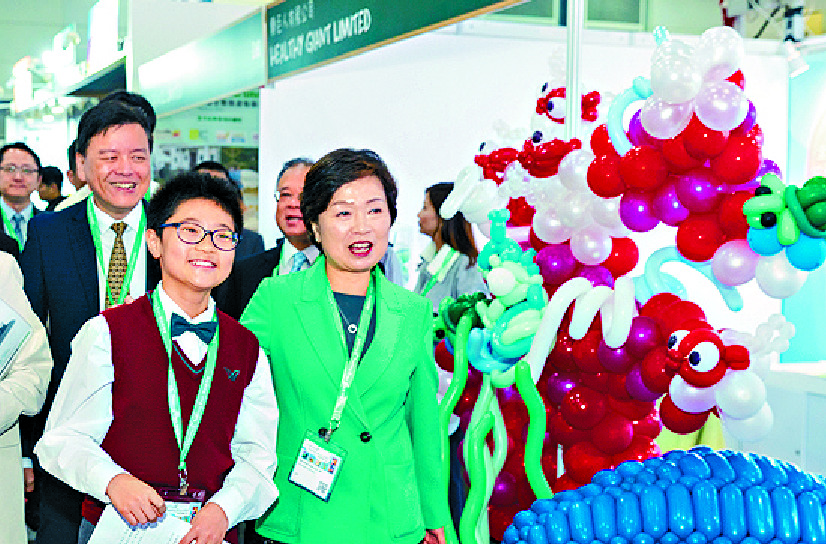
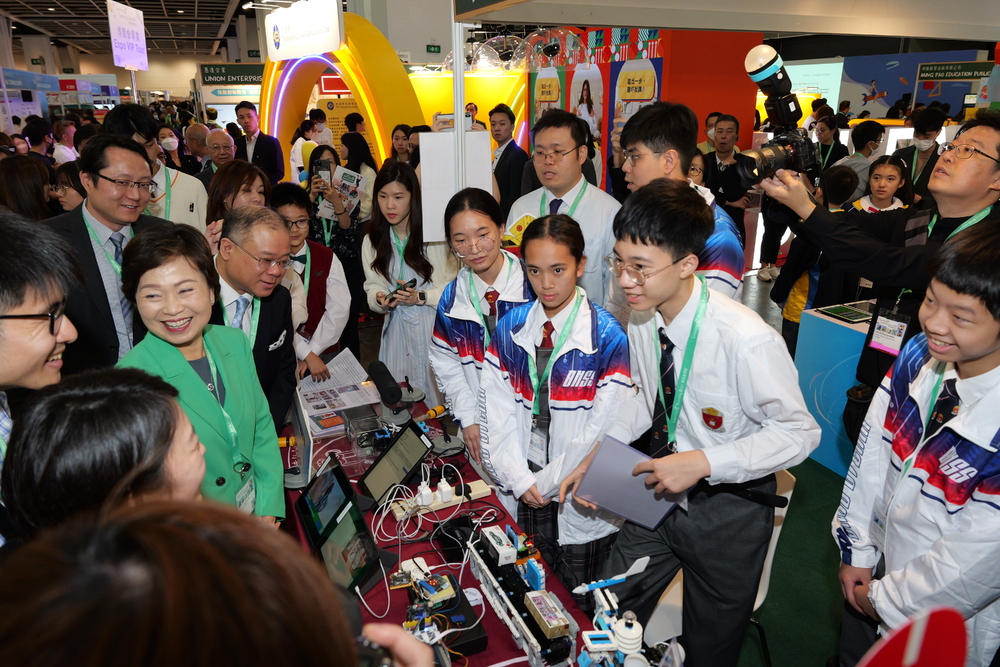
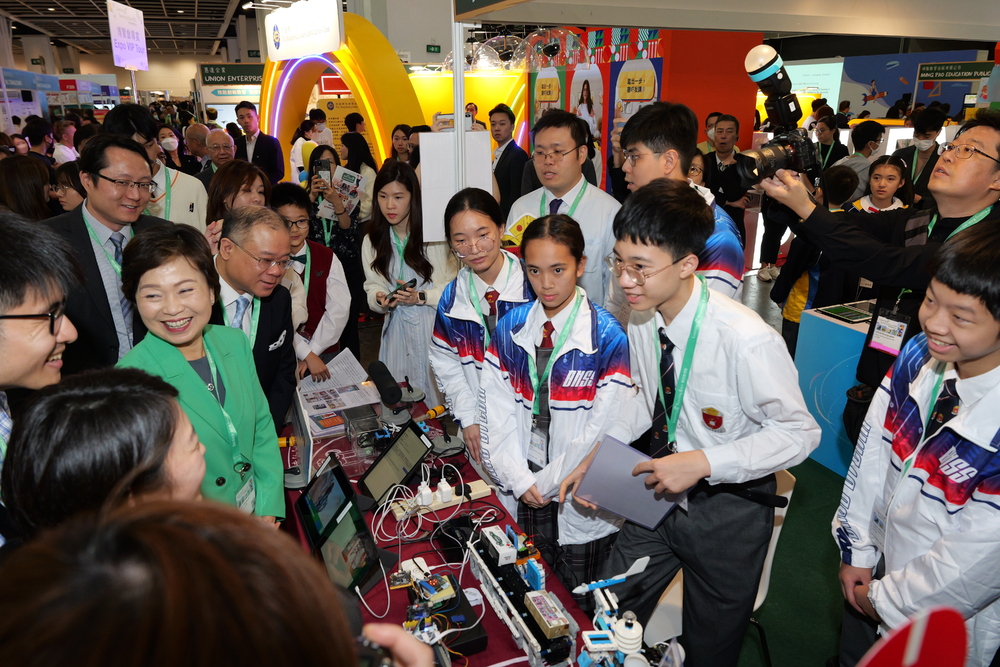
As Asia's leading education show, the Learning & Teaching Expo opened from December 13 to 15 on the theme of shaping education for a world of change, with participants in attendance at a record-breaking 520 booths.
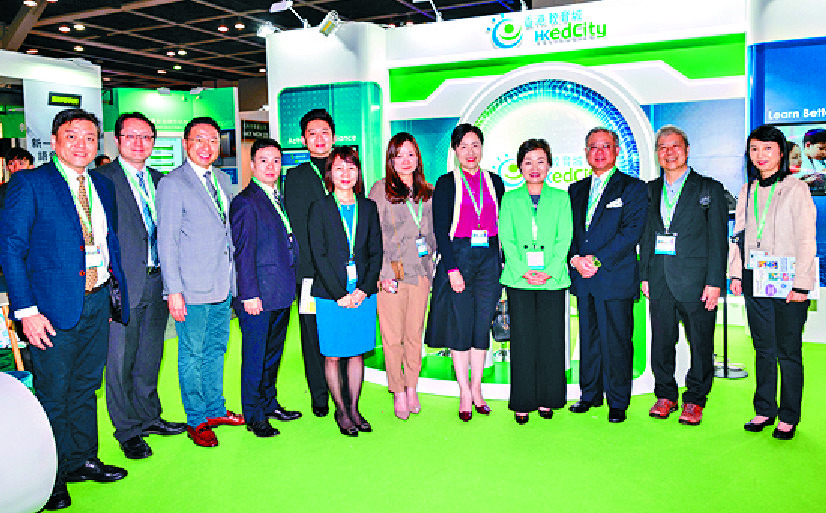
Presented by Hong Kong Education City, organized by Bailey Communications Hong Kong and supported by the Education Bureau, LTE had its grand opening ceremony at the Hong Kong Convention and Exhibition Centre.
Armstrong Lee Hon-Cheung, board chairman EdCity, said: "We are entering a new phase of transformative education where technological advances are revolutionizing every aspect of our life."
"Education is of course no exception. While we are proud to embrace the power of technology and innovation, which can help us overcome the force of conventional ways of learning and teaching, it also comes with challenges."
At the expo, these opportunities and challenges faced by the sector were discussed by 400 prominent experts, officials and academics from different regions and countries.
Over 270 keynote presentations, open lessons, seminars and showcases were presented on more than 10 theater stages, covering topics ranging from AI, Greater Bay Area education developments to student wellbeing and innovative learning.
Lee said AI and its application in education are one of the key topics of the expo. "As modern technology continues to evolve, AI education has become one of the central themes of the expo."
Rose Luckin, professor of learner centered design at University College London's Knowledge Lab, spoke on the impact of AI on education: benefits and challenges in the opening presentation on the main stage.
Renowned for her studies in the design and evaluation of educational technology, especially AI, Luckin examined the role of AI in education today and envisioned the future landscape.
She said AI should be used as a complementary tool to help humans: "AI is smart, but humans are smarter. There is no replacement for the human teacher, but AI can be a very powerful assistant for that human teacher."
She believed that with proper application, AI could help improve human intelligence as well as bring greater equality in education.
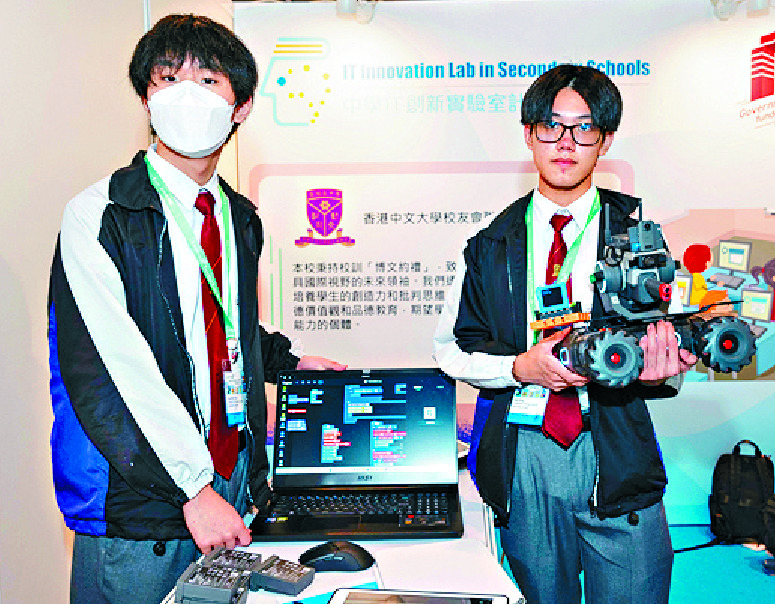
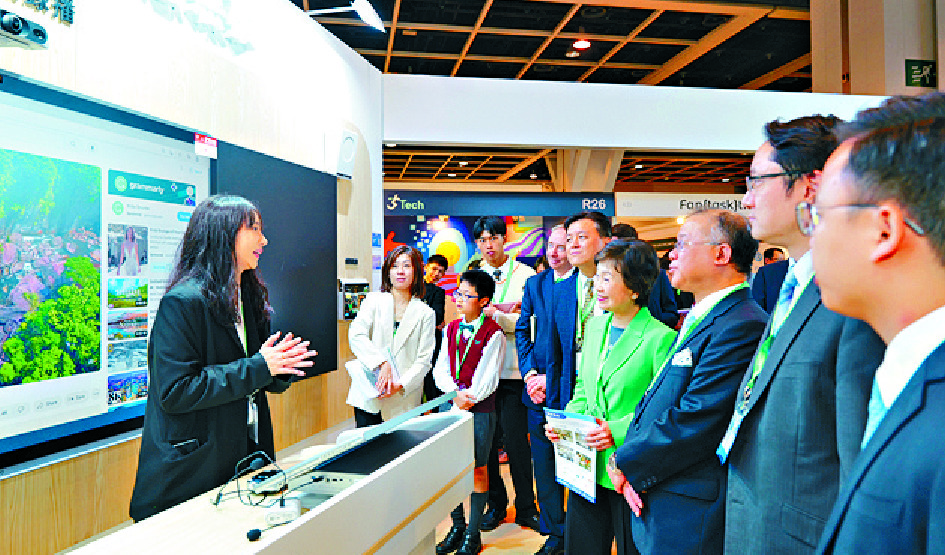
Numerous exhibitors showed projects utilizing AI in education at the expo.
Interleaf, a company dedicated to integrating the latest developments in AI to transform the education landscape, introduced its AI teaching content generator.
With a few simple inputs from the teacher, it could generate quiz questions to assess students' comprehension of key concepts.
Una Technologies, another exhibitor, presented its latest product: an automatic AI marking system for student assignments, reducing teacher's workload while giving students instantaneous results.
In her opening-ceremony address Secretary for Education Christine Choi Yuk-lin said: "Over the years the Education Bureau has remained steadfast in its dedication to promoting innovation in education. I firmly believe that the expo would inspire new ideas toward meaningful connections."
The expo offered a platform for exhibitors and schools to engage in enthusiastic discussions, fostering meaningful connections and addressing the advancements and challenges we face today.
With the presentation and conversations happening at the expo, it's easier to imagine and get accustomed to a new era of education intricately intertwined with AI, ultimately shaping education for a world of change.
disu.dang@singtaonewscorp.com
+1