Funded by the Public Policy Research Funding Scheme of the Government of the HKSAR, a research project led by PolyU SPEED sheds new light on Hong Kong’s plate waste issue by working directly with catering businesses and consumers to generate voluntary behavior change.
Plate waste is a pertinent problem in modern-day society. Globally, around 2.5 billion tons of food a year is ditched, adding up to US$2.6 trillion worth, while almost 700 million people are left unfed. As a result of people dining out of home, plate waste accounts for an average of 50 percent of food waste generated in the food service industry, amounting to about one-fifth of the total food waste in the world. This staggering amount of waste ends up in landfills and accounts for 6 to 8 percent of the total greenhouse gas emission globally.
In Hong Kong, food waste has been the single largest culprit of landfills. And despite that great strides have been made – including the Environment Bureau’s 2014 food waste and yard waste plan – the amount of food waste from the food service sector has risen by 35% in the last five years, according to data by the Environmental Protection Department in 2020. Landfills in Hong Kong are fast running out of space; it all but adds to the urgency of cutting down the food we throw away.
Step up to the plate
One of the latest to spring into action is PolyU SPEED’s project “Constructing a System of Interest for a Social Marketing Intervention to Nudge Plate Waste Reduction in Restaurants”. Dr Daisy Lee, Principal Investigator and Senior Lecturer of the Division of Business and Hospitality Management of the PolyU-affiliated College of Professional and Continuing Education, says that the proposals and social marketing guidelines target the very heart of the action: catering businesses, consumers and policy makers.
Given its forward-thinking perspective and great practicality, the research is one of the two – among 27 applications – selected in the first round results of the Public Policy Research Funding Scheme 2022/23, of the Government of the HKSAR.
Having received a grant of over HK$0.54 million, Lee and scholars from the City University of Macau and Griffith University of Australia set out to enable all stakeholders to stage a joint social marketing intervention to help consumers decrease plate waste, providing plausible recommendations to the catering industry and public policy makers on food waste reduction.
Empowering stakeholders
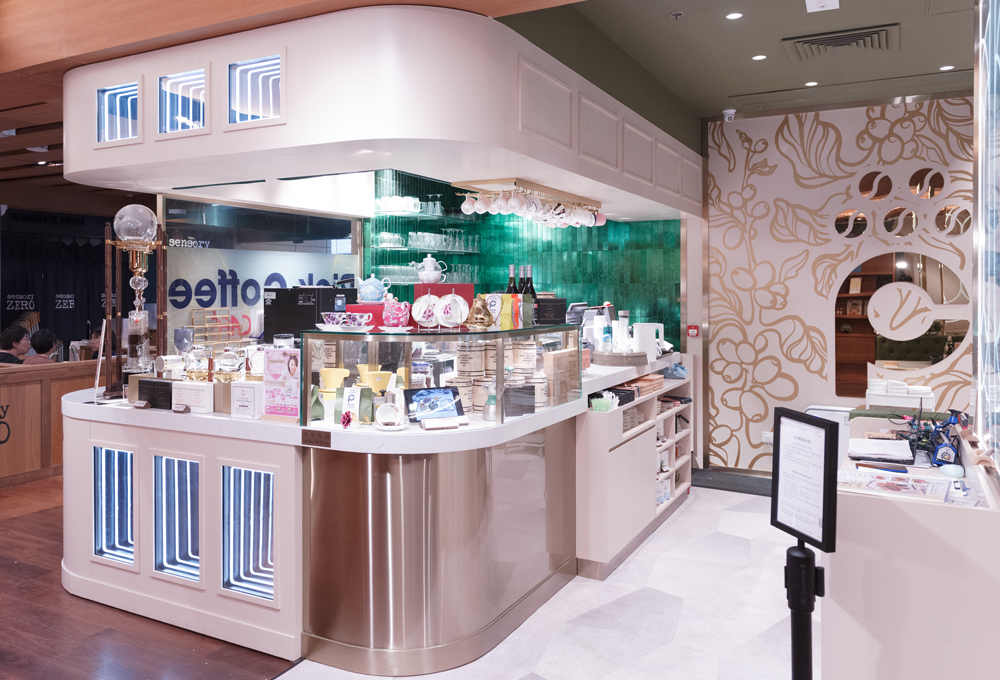
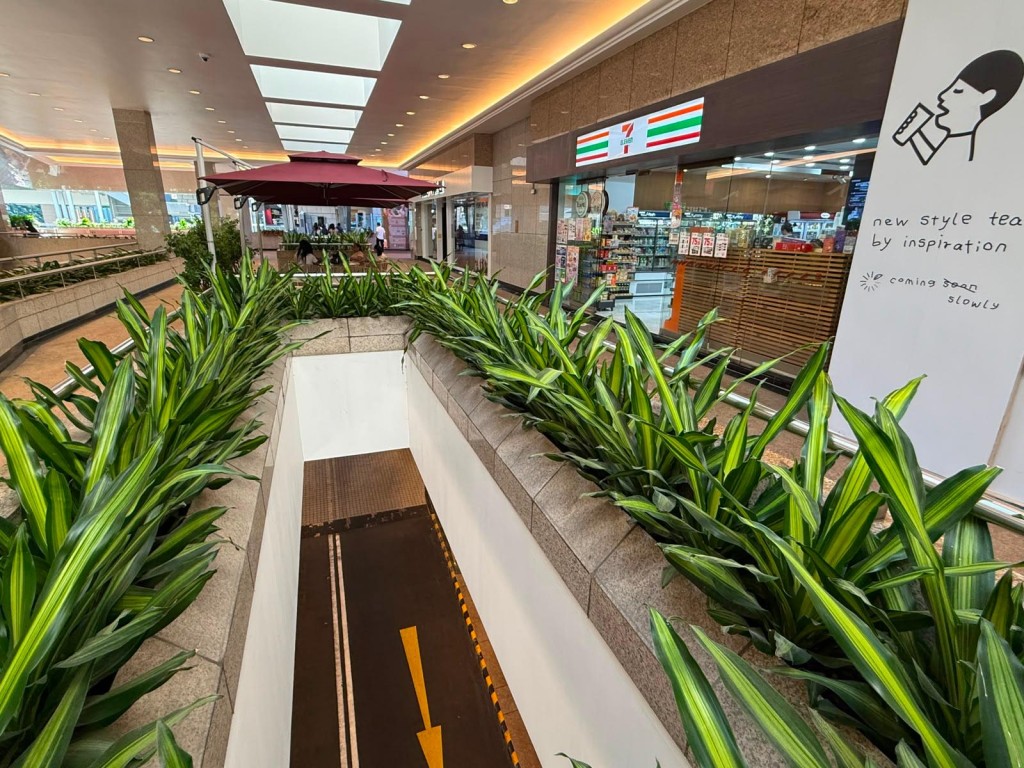
Reaching beyond pure communication campaigns, Lee and her team conducted a pilot study at Pick Coffee by Pokka Café at Cityplaza to identify effective plate waste reduction tactics that are useful and feasible in commercial restaurants.
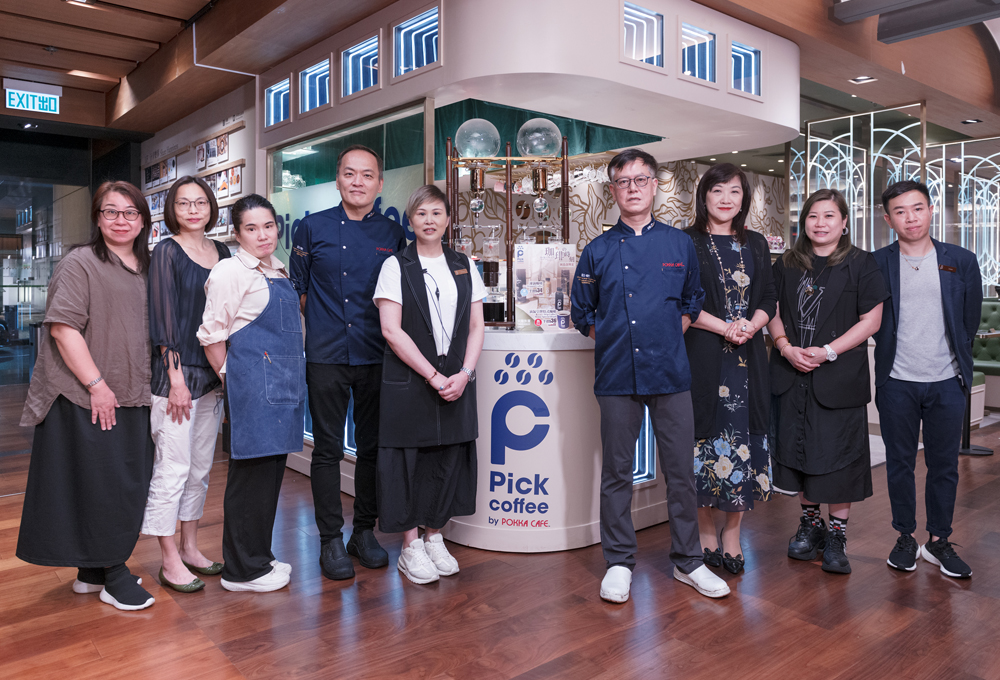
“Through this collaboration with PolyU SPEED, working directly with our consumers and colleagues, we hope to contribute to raising awareness on stopping plate waste,” says Dr Pauline Wong, Chairman of Million Rank (HK) Limited, which owns the Pokka Café brand. Lee says she is “thankful for the support from Pick Coffee by Pokka Café. This research wouldn’t be possible without their participation.”
In stepping up to reduce plate waste, Lee pinpoints major challenges faced by the F&B industry: “In striking a balance between service level, customer expectation and brand image, environmental and societal impacts are of the least concern and priority among commercial restaurants. And in the post-COVID era, manpower shortages also pose a huge impediment to implementing plate waste practices.”
Making a difference
As with all successful journeys, Lee’s research suggests starting with baby steps to reshape the community’s collective ditching behavior. And there is much to draw from the four-week pilot test at Pick Coffee by Pokka Café. By providing diners with information and catering options, the restaurant motivated them to stop ordering more than they can devour, subsequently cutting back plate waste.
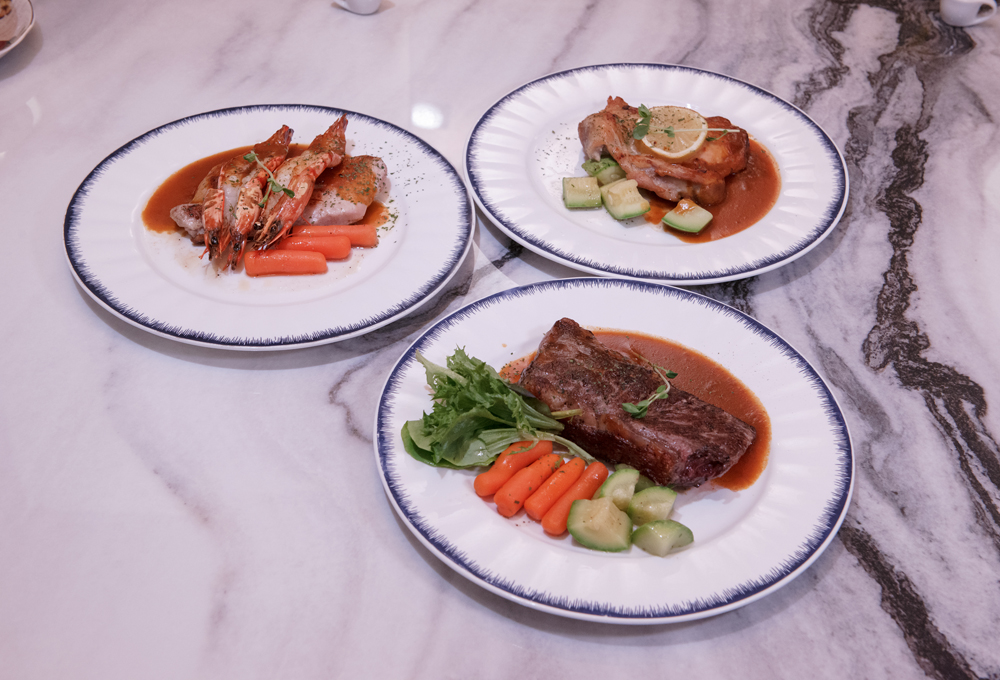
This is done by (1) giving consumers the information about the amount of rice served and the options to have less rice; (2) asking if consumers want to remove fresh side vegetables, which always end up as leftovers on the plates; (3) informing consumers the garnish-mix and offering the options to remove veggie they don’t prefer, such as carrot and zucchini.
The process hasn’t been without challenges, though. “On the one hand, staff are weary of giving the restaurant a bad image by reducing the amount of veggie or rice on the plates, even more so when photographing your dishes is a norm in the era of social media. Even though diners understand they have a choice, they hesitate to ask for fewer portion sizes for fear of appearing to be too demanding,” Lee explains, adding that effective communications between both sides are key.
In the pilot study, the average amount of weighted plate waste has reduced by 42% on weekdays, and 62% during weekends. Most significantly, the total plate waste in the four-week pilot period is 49% less than the plate waste produced in the four-week baseline period. Besides lesser food leftovers on plate, the restaurant also recorded food cost reduction during the pilot.
Wong says the result has been highly encouraging: “There is a real commitment from our staff to achieve the goal – their hard work and dedication have enabled the achievement. And we hope to extend this plate waste reduction to even more of our branches in the near future.”
Together we join hands
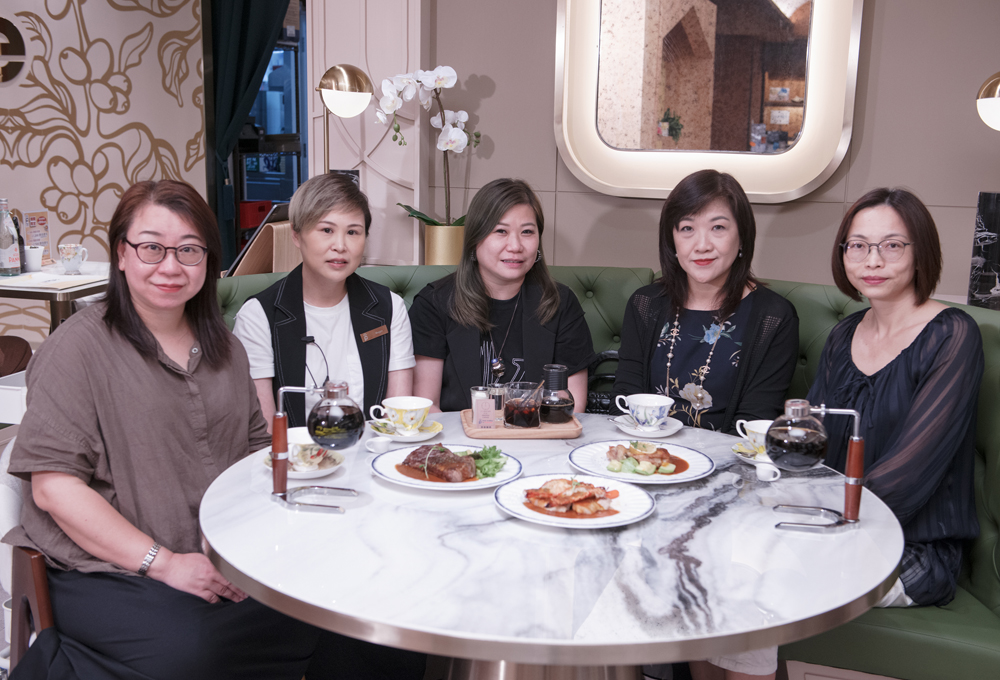
Consumers and the general public can also do their part. When ordering food, Lee’s research suggests proactively asking for options in terms of portion sizes and ingredients. This easy adjustment goes a long way in helping diners steer clear of unfavorable food, and avoid ordering more food than they can actually consume, combating the convenience of just throwing it away.
To the policy makers, the research calls for better public education, legislation and long-term economic measures. For instance, the government can provide platforms to actively engage with and inform consumers about asking for options when it comes to portion sizes and ingredients. Economic nudges and support for relevant facilities can, meanwhile, influence commercial practices.
Lee expresses that the momentum is powering ahead: “The environmental and economic impacts of food waste are simply too huge to overlook, and this research shows that small acts can indeed make a huge difference. I hope that stakeholders with ample resources will take the initiative to act now.”
About the Division of Business and Hospitality Management, College of Professional and Continuing Education, The Hong Kong Polytechnic University:
Focusing its scholarly efforts and learning and teaching activities on the academic disciplines of accounting and finance, hotel and tourism management, management and marketing, the division currently provides teaching and learning support for PolyU HKCC’s 10 associate degree programmes and 2 higher diploma programmes and PolyU SPEED’s 14 full-time and 6 part-time articulation honours degree programmes in a wide range of business disciplines. Together these programmes offer students a smooth and well-mapped-out “2+2” pathway to earning an honours degree awarded by PolyU in as short as four years.
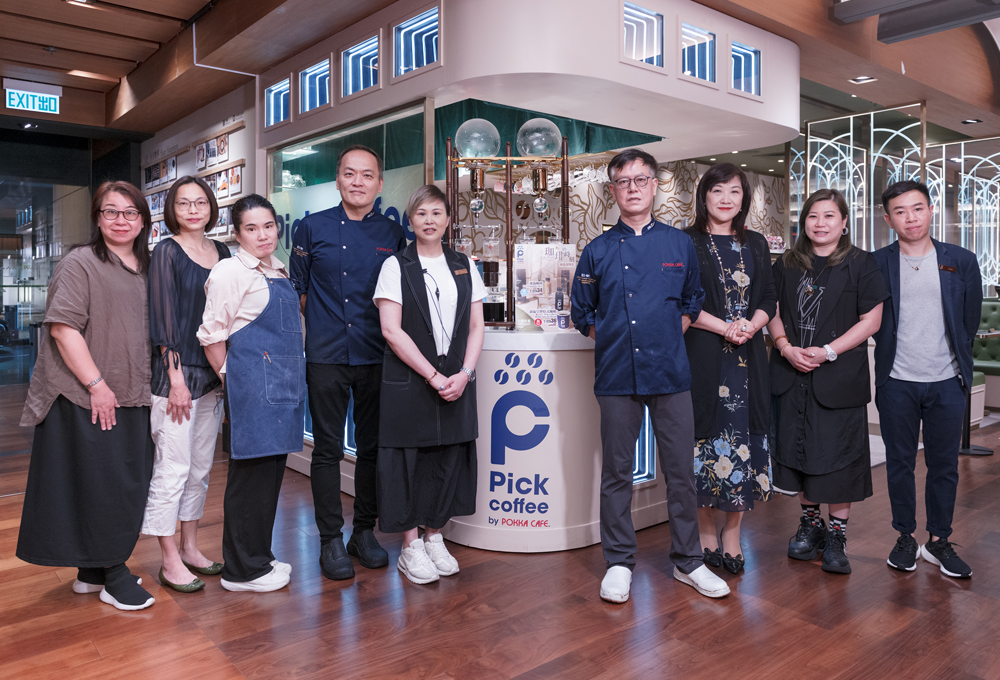
With staff''s hard work and dedication, both food waste and cost were reduced. Chairman of Pokka Cafe plans to extend the plate waste reduction measures to other branches.
By providing diners with information and catering options, Pick Coffee by Pokka Café motivated consumers to cut back on plate waste.
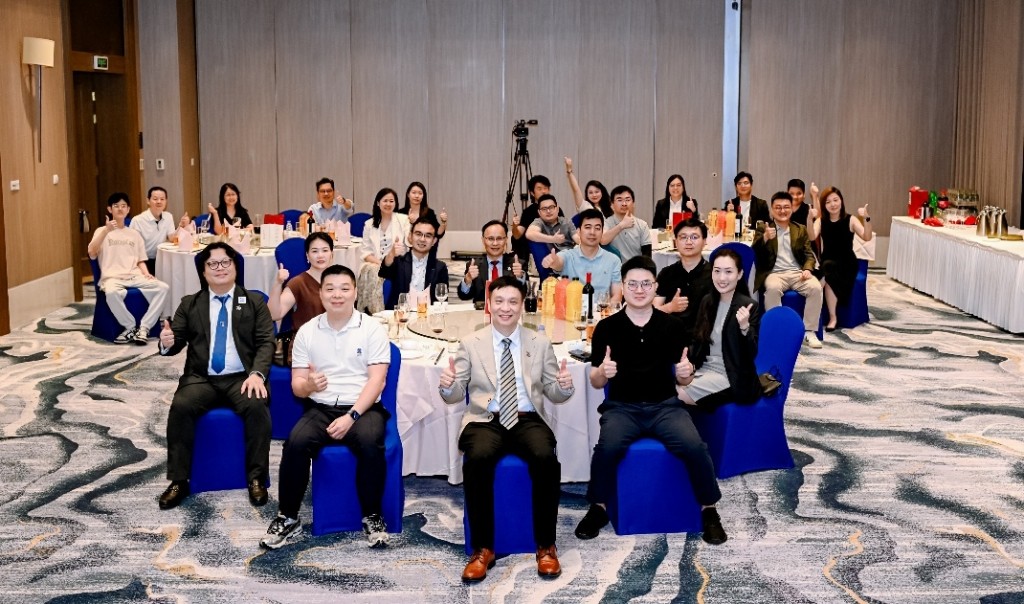
Dr Pauline Wong (4th from left), Dr Daisy Lee (5th from left) and the management team from Pick Coffee by Pokka Café.
In reducing plate waste, the research advises consumers to proactively ask for options in terms of portion sizes and ingredients.