Read More
Here's an interesting fact: close to a third of the 15,000-odd tonnes of rubbish sent to Hong Kong's landfills each day is food waste.
ADVERTISEMENT
SCROLL TO CONTINUE WITH CONTENT
Clearly then, Hong Kong's dreams of nurturing a circular economy - which calls on us to reduce, reuse and recycle - rests to a large extent on what we eat and how our food is produced and disposed of.
One such business that is doing its bit to reduce, reuse and recycle is catering and restaurant giant Maxim's, which is turning food waste into organic fertilizers for crops which are grown with no pesticides and then served at some of its 2,000 restaurants in the city.
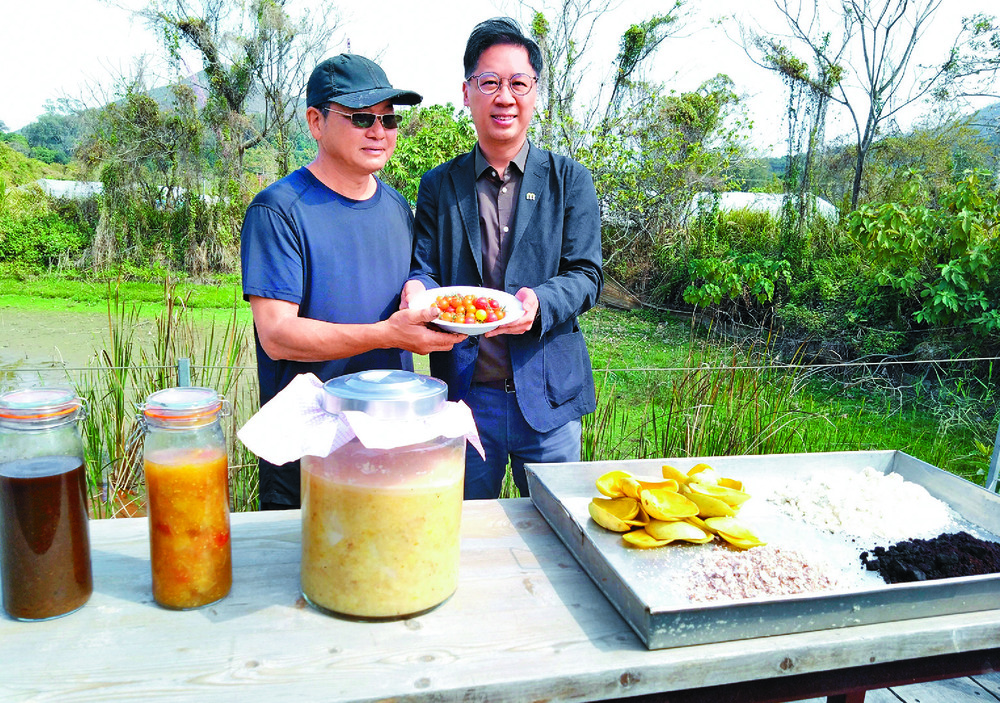
Two years ago, Maxim's teamed up with a local business to have a stab at regenerative farming and after a few hits and misses, the farm is now supplying seasonal vegetables to 70 of Maxim's restaurants including simplylife, Cova and Starbucks outlets.
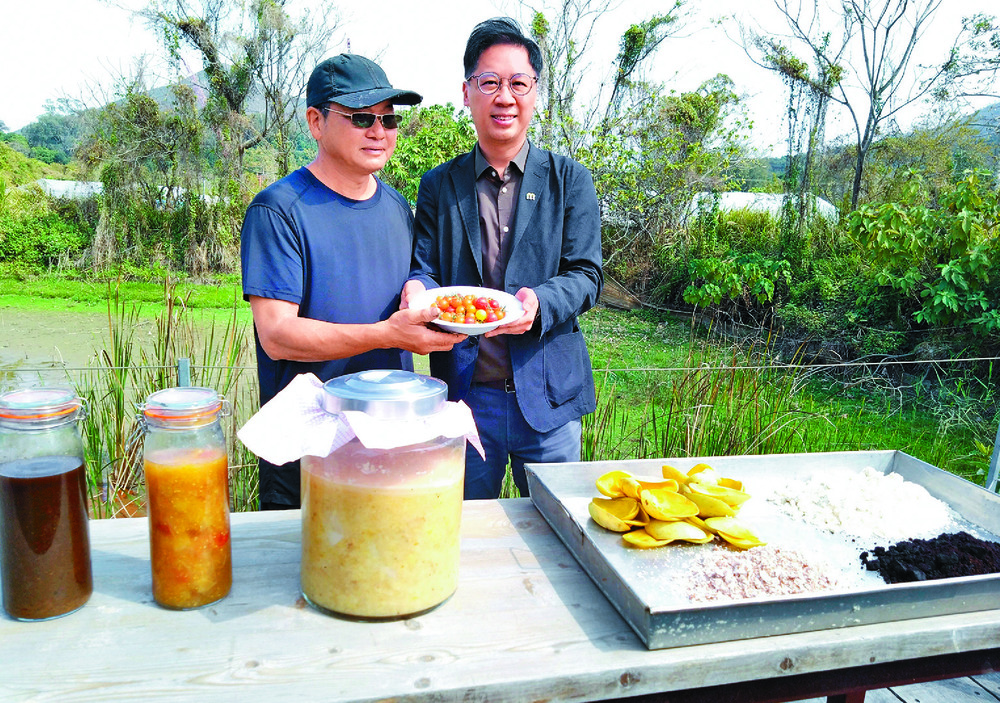
Under the initiative, mango skins, egg shells, used coffee grounds, soybean waste and salmon bones are sent to the Hung Yat Farm where they are converted through fermentation into enzymes for plantations.
Maxim's head of supply chain for procurement and planning Pippo Au says these locallly sourced crops help reduce shipping costs and carbon emissions.
While their costs are on a par with imported produce, they do not need preservatives as they are delivered fresh to the kitchens.
Maxim's plans to offer as much as 30 tonnes of food waste this year to the farm, 8.5 times more than two years ago.
The farm grows cherry tomatoes, salad vegetables, zucchinis, cucumbers, beetroot, pumpkins and Okinawa gourd.
Candy Tse, the head of m.a.x. concepts and Cova, says dishes made with the farm's produce - such as the lettuce in simplylife's HK$138 chicken Caesar salad have proved popular and there are plans to use other vegetables for soups and takeaway salads.
Hung Yat Farm's Wong Chin-ming says the enzymes enhance the flavors of crops and enable the farm to grow more varieties of cherry tomatoes.
As the waste contains micronutrients like nitrogen in soybeans and calcium in egg shells, the enzymes generated make the soil more fertile and pest repellent.
Coffee grounds too have valuable micronutrients that enhance soil fertility.
Also, while farmers traditionally import fish meal fertilizer to enhance the taste of vegetables, the fat from salmon bones are equally up to the job.
Another way to avoid the use of pesticides is to grow vegetables such as Italian lettuce alongside Chinese cabbage, which is favored by troublesome pests over other vegetables.
To ensure the products supplied meet Maxim's quality standards, Au and Maxim's chefs inspect to the farm frequently.
Au reveals that any food waste is chosen only after two years of trials and staff are trained on how to retain the waste, some of which is also sent to the government's O Park to convert into biomass.
Maxim's is also trying to get universities to measure carbon emissions at the farm in the future, which may open its doors for educational and public visits in the future.
Au does not rule out taking regenerative farming to the Greater Bay Area and other parts of Asia.
Hung Yat Farm, which is on a small scale, is also expanding.
It now farms on 70,000 square feet of land, up 175 percent from two years ago.
Maxim's has also promoted the three R's elsewhere, helping university students make beer out of surplus bread, and giving used oil to Gammon Construction to power their on-site generators.
Critics may argue that Hong Kong can't develop a circular economy because it has limited land resources and manufacturing, but corporations can help make a difference, as Maxim's has shown.
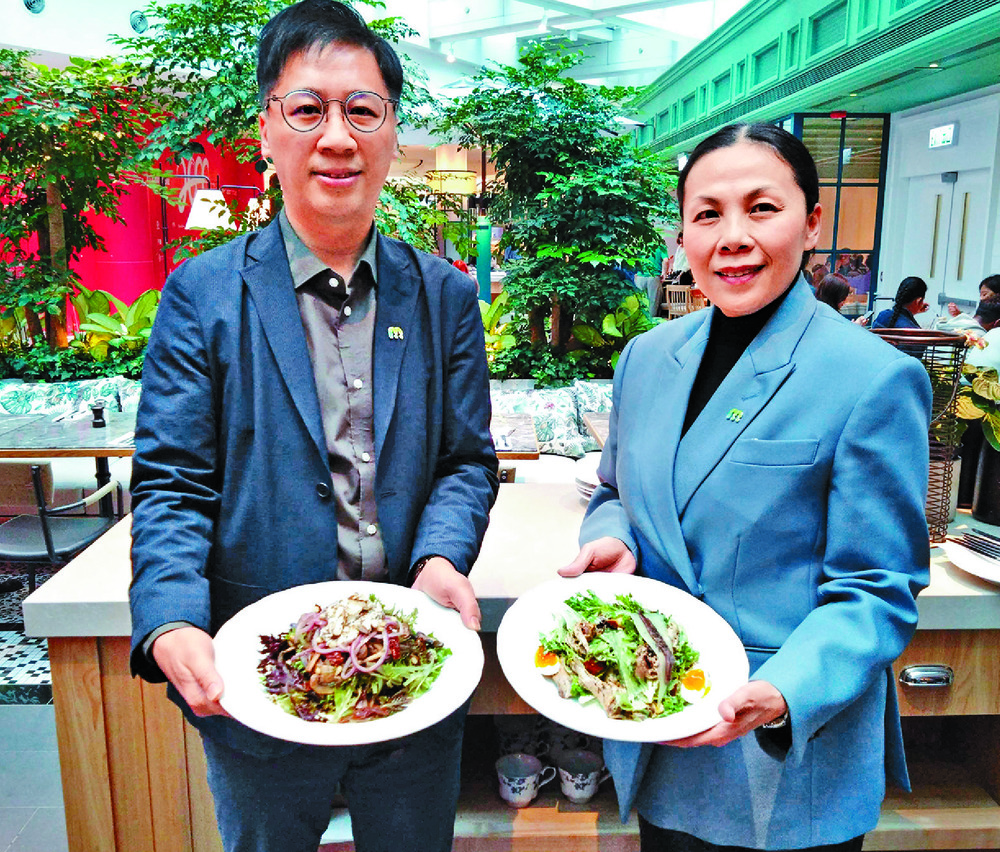
SALAD DAYS: Pippo Au and Candy Tse show off dishes made with the produce.