China's ride-hailing giants are increasingly looking overseas for business as well as cash, amid cut-throat competition in a highly saturated market back home.
And Hong Kong seems to be their first stop.
While customer bookings have recovered to pre-pandemic levels, the number of drivers has risen disproportionately over the last couple of years.
Ride-hailing driver licenses increased more than threefold from 2.08 million in May 2020 to 6.96 million in April 2024, as more mainlanders took to the gig amid rising unemployment and an economic slowdown.
This led to at least eight cities, including Dongguan, Wenzhou and Jinan, warning drivers and entrepreneurs on the risks of starting online ride-hailing platforms.
Some have even have suspended ride-hailing license applications.
Amid the market glut, drivers have found that it's no longer easy to make money amid lower commissions, fewer orders and insurance and equipment costs brought by compliance requirements.
Away from home, though, business has been more rosy.
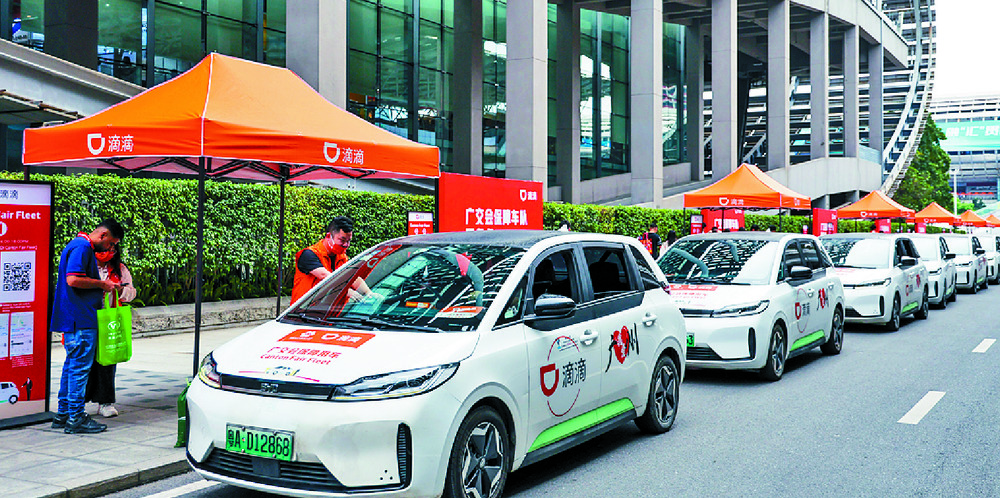
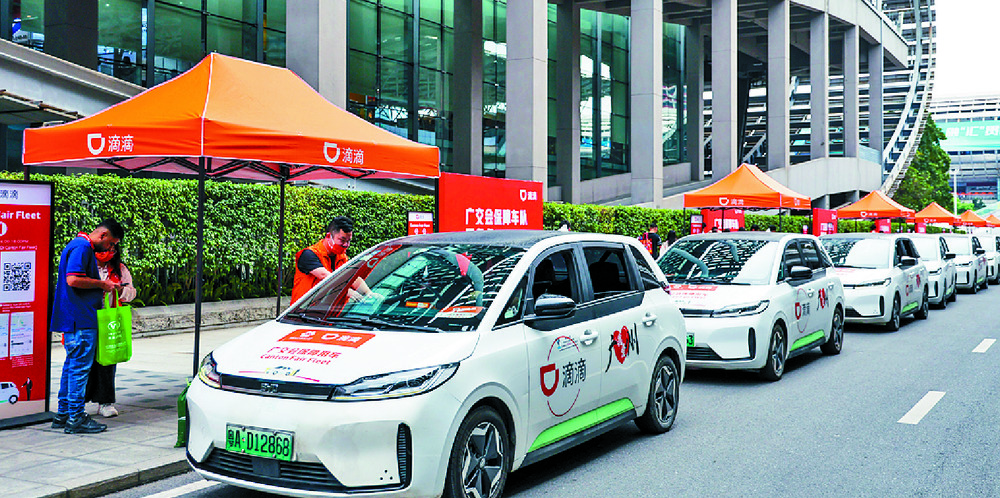
Ride-hailing giant Didi Global, which commands a 70 percent market share in the mainland, saw its overseas revenue surge by 44 percent to 2.43 billion yuan (HK$2.62 billion) in the first quarter of 2024 from a year ago.
Revenue from its mainland operations, however, fell by 0.8 percent to 44.54 billion yuan in the quarter.
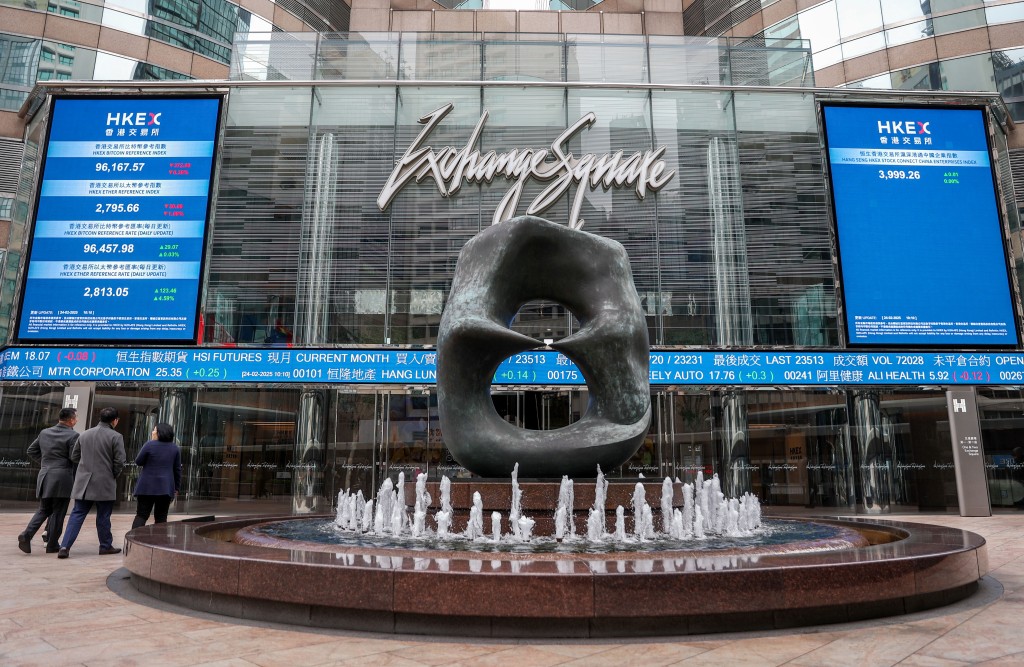
Didi, which has been operating in Hong Kong since 2018, is now planning to go public in the city this year with a target valuation of more than HK$600 billion, according to reports.
Didi's bookings in Hong Kong over the New Year holiday surged 450 percent, according to reports.
Meanwhile, Autonavi, which has around 30 percent of China's ride-hailing market, has also been revving up its Hong Kong operations, after quietly launching in the city at the start of this year.
In addition to Didi, other Chinese players are also looking to the city for cash. They include CaoCao, the mainland's third largest ride-hailing operator, Dida, the second-largest ride-hailing platform, and Chenqi, the second-largest mobility platform in the Greater Bay Area, who have all submitted applications to go public in Hong Kong.
But Hong Kong's ride-hailing market is not free of obstacles and challenges.
Uber, the world's biggest ride-hailing giant, has operated in Hong Kong for a decade but has long faced the wrath of local taxi drivers who are on a mission to drive to eliminate online bookings of "white-plate vehicles."
While ride-hailing platforms are illegal in Hong Kong - only those with taxi licenses have the right to own and operate a taxi - the city has allowed these businesses to operate and flourish unofficially.
Private cars that carry passengers without a license are colloquially referred to as "white plate cars."
These drivers enjoy lower operating costs they don't need to fork out fees for licenses and annual car examinations.
Taxi drivers say this gives these operators an unfair advantage.
Back in 2015, the police raided Uber's Hong Kong office and arrested three employees for "aiding and abetting illegal ride-hailing" and just last month a group of vigilante taxi drivers went undercover to ensnare illegal Uber drivers and hand them over to the police.
However, Uber's services remain popular in the city especially among younger residents, who say the service is better compared to taxis that reject passengers or charge excessively.
Passengers from the mainland, too, prefer Uber as they can make payments in yuan.
To address the long-standing conflict between taxi and ride-hailing operators, Hong Kong is now making moves to regulate the ride-hailing industry, to foster competition and enhance the quality of service.
A study on the regulatory framework for ride-hailing is expected to be completed next month.
Lawmaker Johnny Ng Kit-chong says that as an international metropolis, Hong Kong need ride-hailing cars to facilitate travel.
And while new regulations and compliance requirements will increase operating costs for ride-hailing operators, it will help level the playing field for taxis and their ride-hailing rivals.
RIDE-HAILING GIANT: Didi is planning to go public in Hong Kong.