Read More













John Lee and CY Leung lead pallbearers for Tung Chee-hwa
20-09-2026 15:54 HKT

Law Society proposes allowing solicitors to be appointed Senior Counsel
21-09-2026 01:56 HKT
Incorporating digital storytelling in primary schools' English language classes can help enhance positive attitudes and values among primary school students, Lingnan University researchers have found.
That finding by its School of Graduate Studies emerged in a research project to address growing concerns about students' mental health and the academic stress they have encountered since the pandemic.
The study found such an approach improves students' engagement in class and contributes to their holistic development, emotional well-being and cultivates positive values in young learners.
Digital storytelling, which is to convey information in an engaging and effective way, is a story-telling technique that is done through digital media such as video, music and images.
This teaching method, involving the sharing of personal experiences, thoughts and emotions through various digital media formats, also helps to develop creative thinking and communication skills among students.
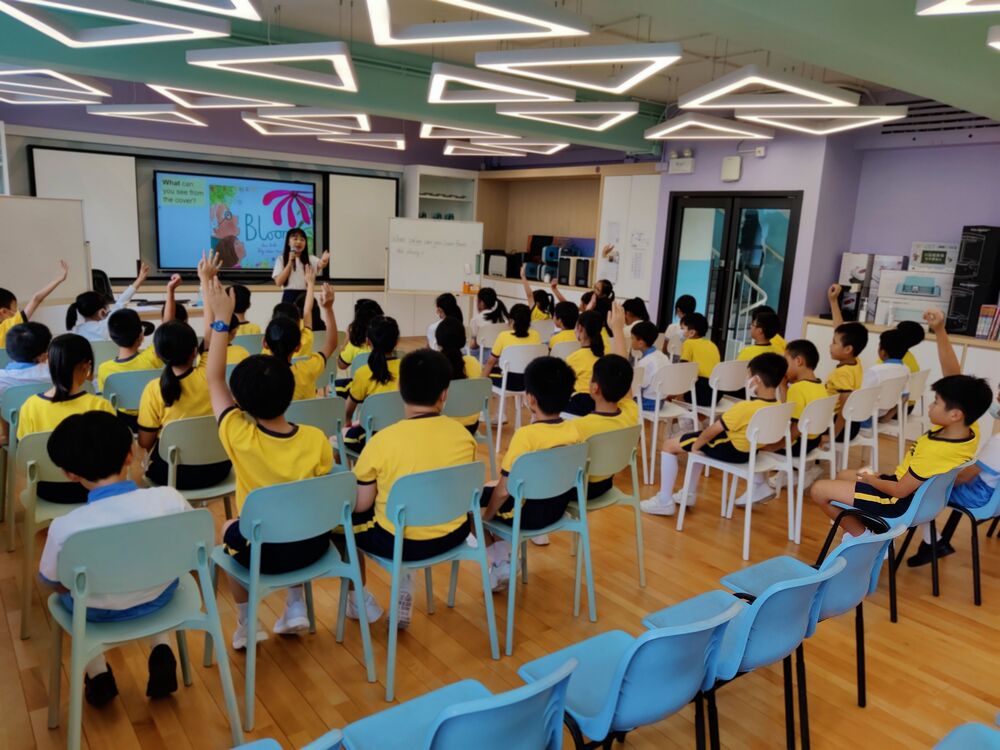
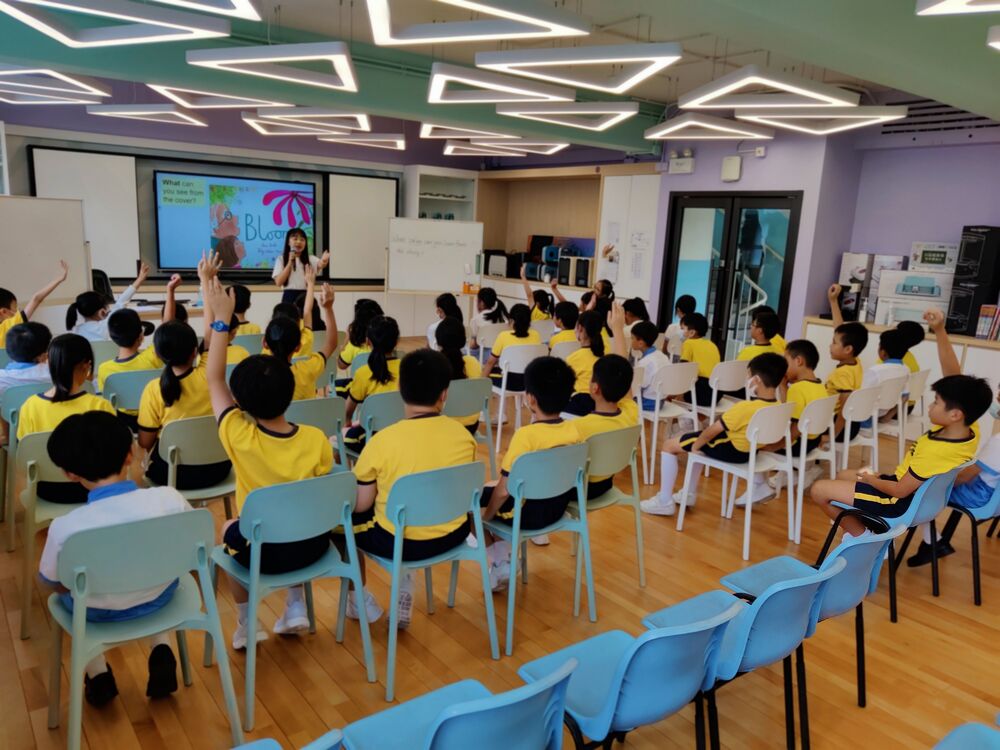
Collaborating with AD & FD Pok Oi Hospital Mrs Cheng Yam On School, a primary school in Tuen Mun, researchers implemented digital storytelling in classes for 200 primary three and primary four pupils from September to October.
Eight teachers were involved in incorporating digital storytelling into classes over six weeks before students' ability to express positive values such as love before and after the project was evaluated.
In-depth interviews with teachers and students were also held to gain a better understanding of the experience.
Using digital storytelling was found to result in better and active engagement and more enjoyment among students as compared to traditional methods that saw teachers reading stories out loud.
This approach also leads to more teacher-student interactions as well as among pupils themselves.
Around 68 percent of students agreed they gained a deeper understanding of love from the intervention.
"This approach is a student-centered approach, in which teachers act as a facilitator instead of having teachers merely conveying information," said associate professor Lucy Yu Baohua.
"It is especially important to address the challenges posed by the pandemic over the past few years, as students may have developed physical and mental health issues associated with the lack of interpersonal contact."