Read More


Night Recap - September 25, 2026
3 hours ago




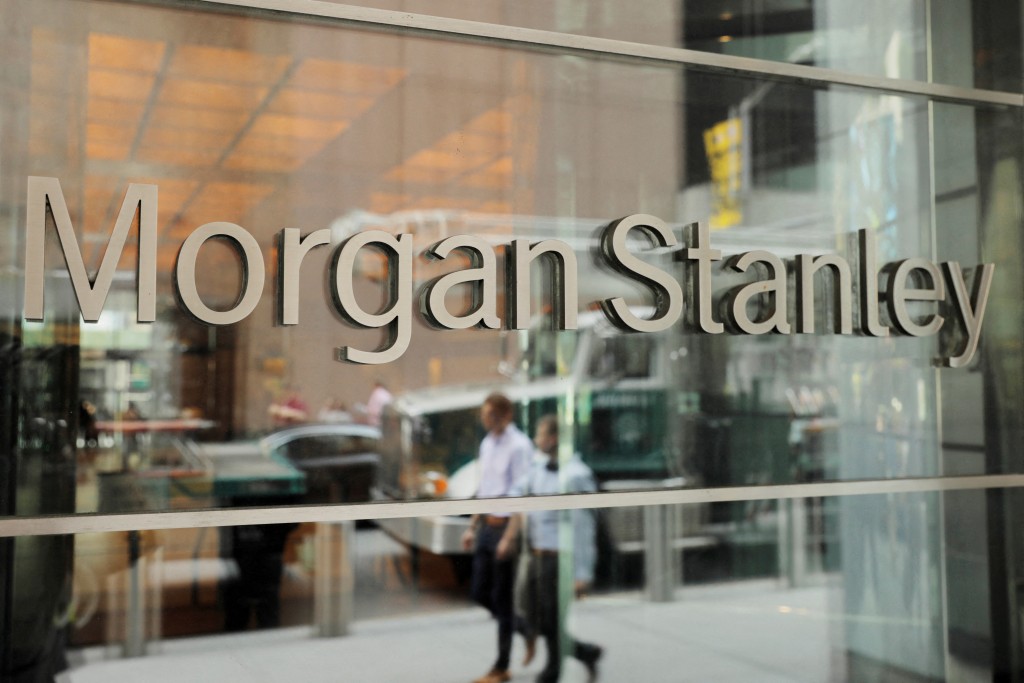
Morgan Stanley Asia deals leaked in missent email attachment
24-09-2026 21:49 HKT
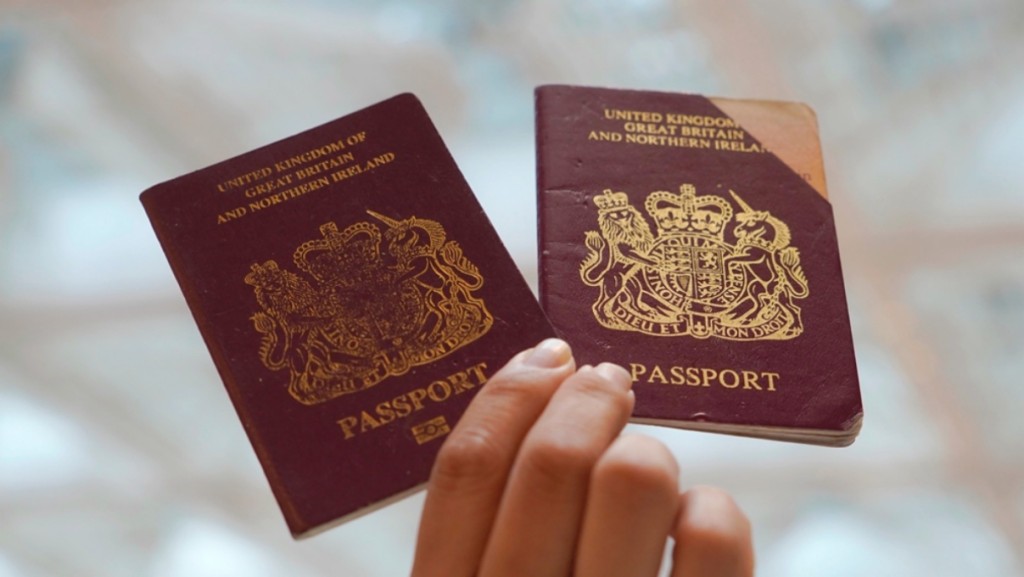
UK denies BN(O) visas to Hongkongers with protest convictions: report
23-09-2026 18:59 HKT
Expectations were low owing to deep-seated differences over trade, Taiwan and human rights, and even the summit's modest accomplishments were hard-won. Those included deals to try to address the fentanyl crisis and to restore military communications severed after then-House Speaker Nancy Pelosi visited Taiwan last year.
For his part, Xi sought to ease concerns that the US and China were on a path toward a military clash, saying China "will not fight a cold war or a hot war with anyone."
"Is this meeting going to improve the relationship? The answer is no, but that's not the objective - the objective is to frame and contain the risks of it worsening," said Kurt Tong, a former senior US diplomat in Asia who's now a managing partner at the Asia Group. He characterized the results as "relatively small" deliverables.
The meeting outside San Francisco was the culmination of intense diplomacy to salvage a relationship that had almost completely broken down over trade disputes, Russia's invasion of Ukraine and the alleged Chinese spy balloon that drifted over US territory in January.But it was also marred by what has now become an almost routine event for Biden at gatherings like this. After offering carefully scripted remarks to reporters, Biden could not resist answering a reporter who asked if he still thought Xi was a dictator.
"Well look, he is," Biden said as he was leaving the stage. "I mean, he's a dictator in the sense that he's a guy who runs a country that is a communist country that is based on a form of government totally different than ours."That remark signaled how domestic pressure in the US continues to weigh on the relationship. Looming for the US president is the 2024 election and criticism from Republicans who accuse him of being too weak on China and allowing Xi to take advantage of him.
Many analysts view high-level engagement as particularly necessary given the increasingly centralized power around Xi."These areas of cooperation are unlikely to significantly change the direction of the relationship between the US and China," said Meia Nouwens, a senior fellow for Chinese security and defense policy at the International Institute for Strategic Studies. "Ultimately, the US sees China as a systemic rival and Beijing is convinced the US is trying to contain China."
BLOOMBERG