Read More


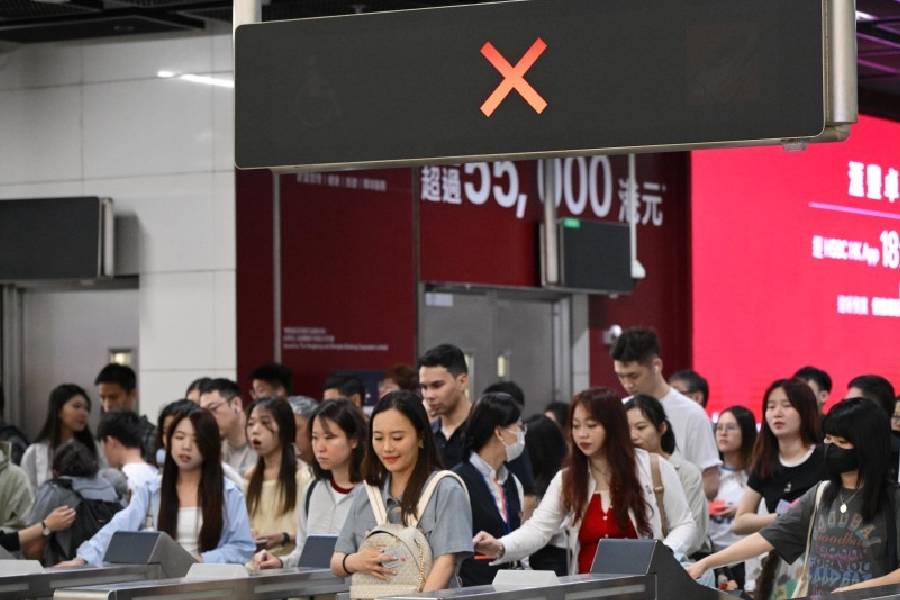


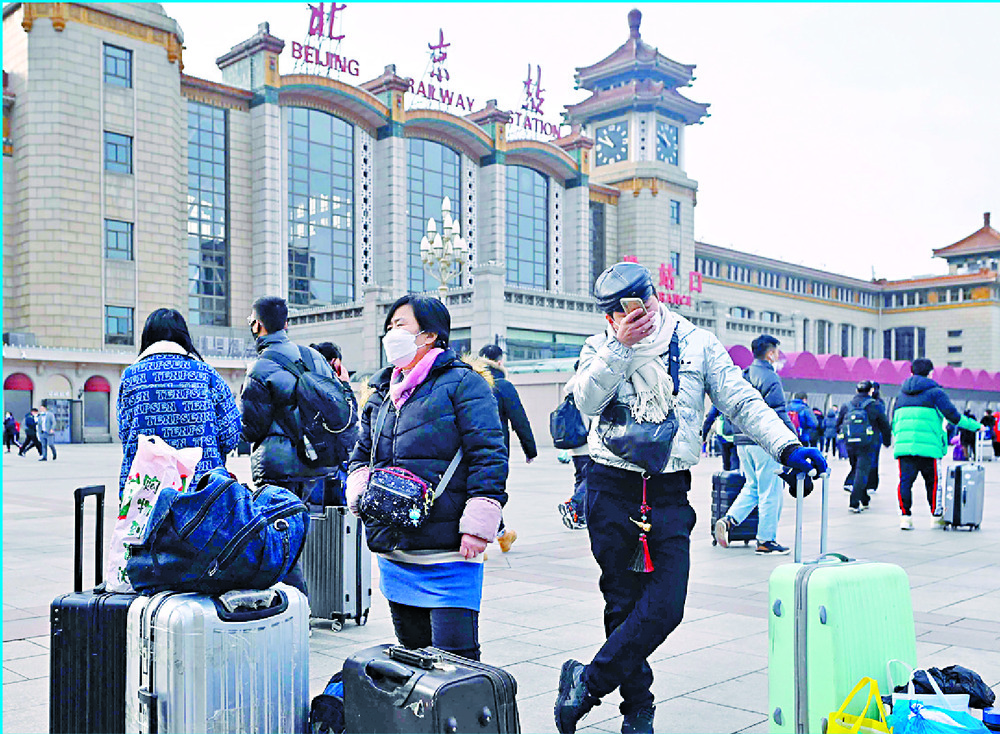
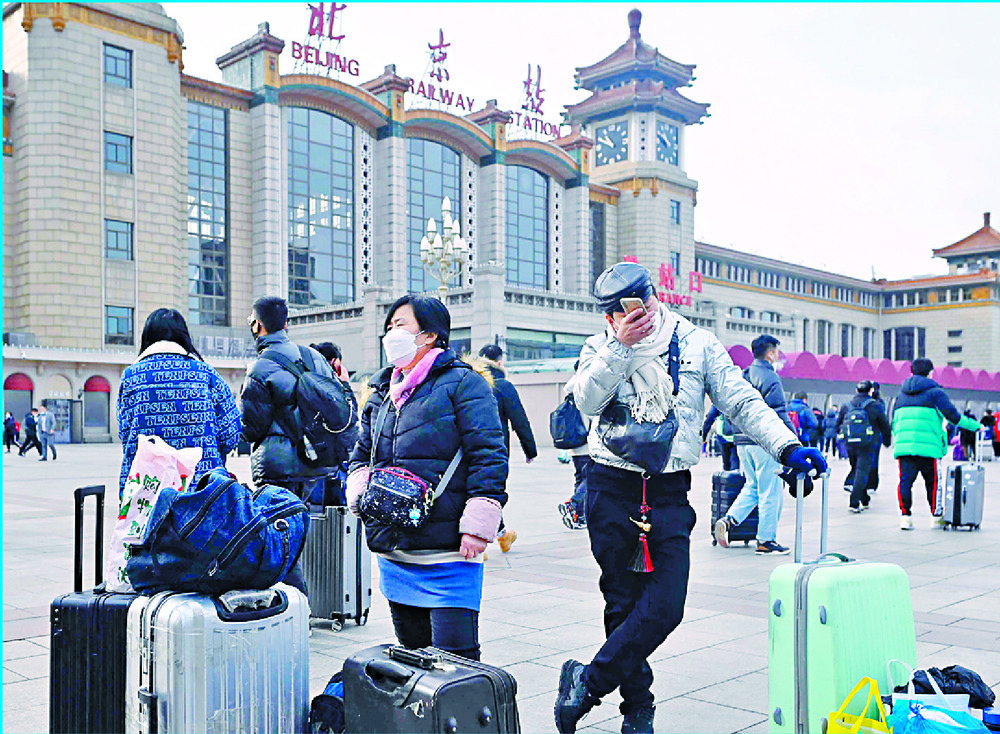
More than 9.93 million passengers are expected to depart Beijing by trains as the 40-day Spring Festival rush began on the weekend, the China Railway Beijing Group said.
The peak day is expected to be on January 18, three days before Lunar New Year's Eve, with 680,000 people expected to travel by trains, including 380,000 passengers leaving from Beijing.
Xu expects that the family-visiting flow accounts for about 55 percent of the Spring Festival travel, and the work-seeking flow accounts for about 24 percent.
He added that this year's travel rush is the most complex and challenging in recent years, with the peak of passenger flow combined with the peak of Covid infections.On Saturday alone the national railroad transported 6.217 million passengers, up 18 percent from the previous year.
Data from Tongcheng Travel, a China-based online tourism company, showed many train tickets for the popular sections during the Lunar New Year's Eve was displaying "waiting for supplement" at 8am, just as they opened for sale.The top departing cities are first-tier cities including Beijing and Shanghai. Top destinations are second-tier cities such as Zhengzhou, Chengdu, Xian and Chongqing, which meant most ticket bookings were made by people returning to their hometown, with the highest percentage of people aged 24-30.
Data from Ctrip platform, China's largest online travel agency, showed that the average radius of rail and air travel during the Spring Festival this year increased by 72 percent and 43 percent respectively year-on-year as of Saturday, and the radius of travel reached the peak in three years.Amid changes in the travel rush, airlines have also increased their capacity.
China Eastern Airlines plans to deploy 753 aircraft with an average daily schedule of more than 2,900 flights with more than 6,000 extra flights planned.To create a festive atmosphere, decorations such as spring couplets, lanterns and Chinese knots are displayed everywhere, including at the Beijing Capital International Airport and Shanghai Railway Station.