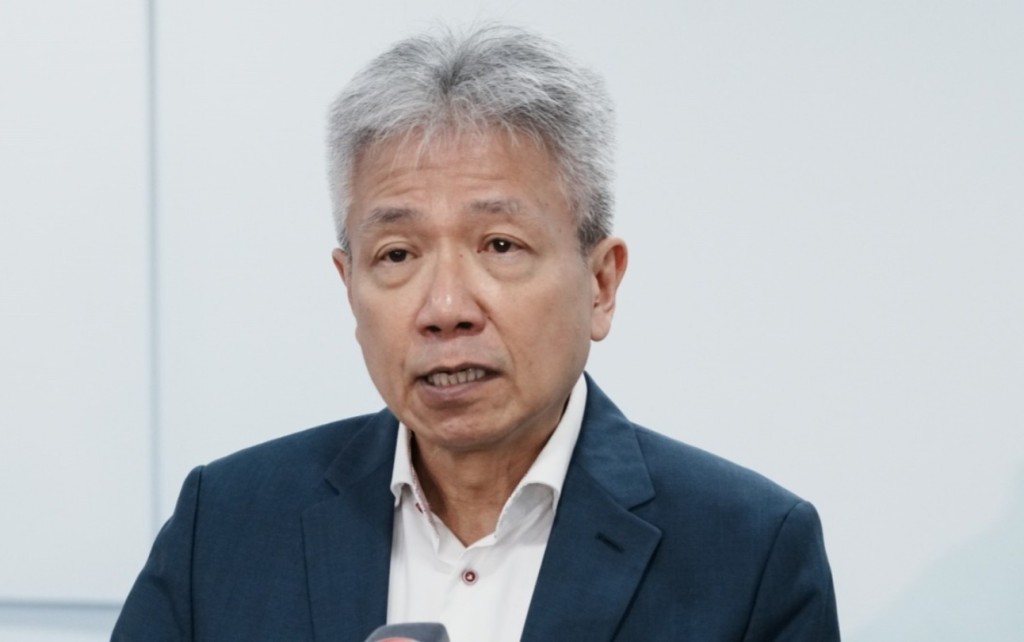
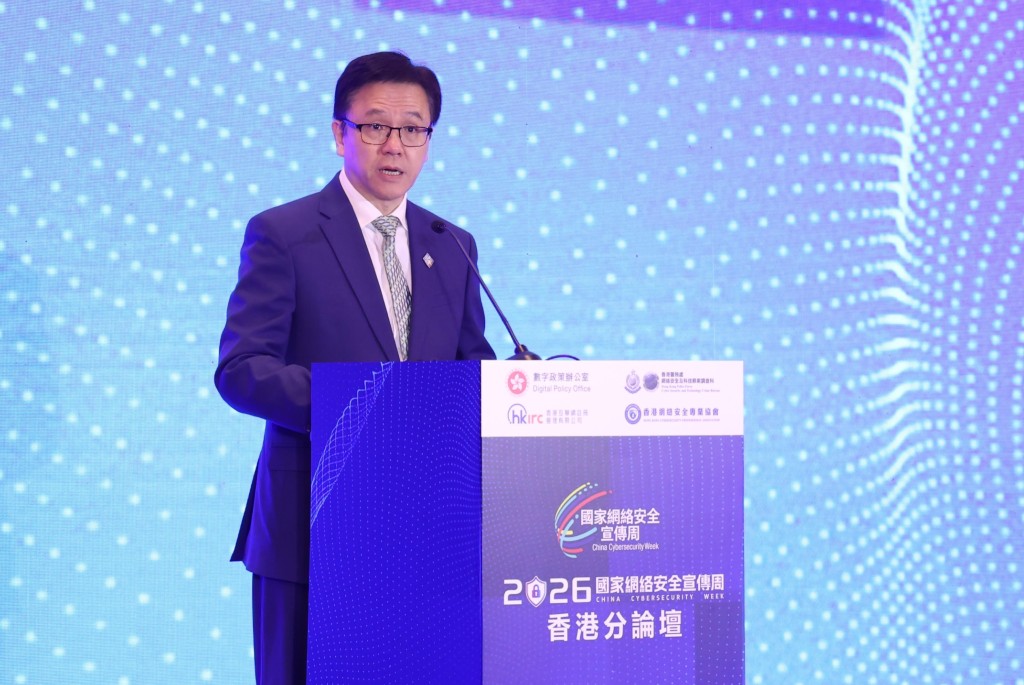
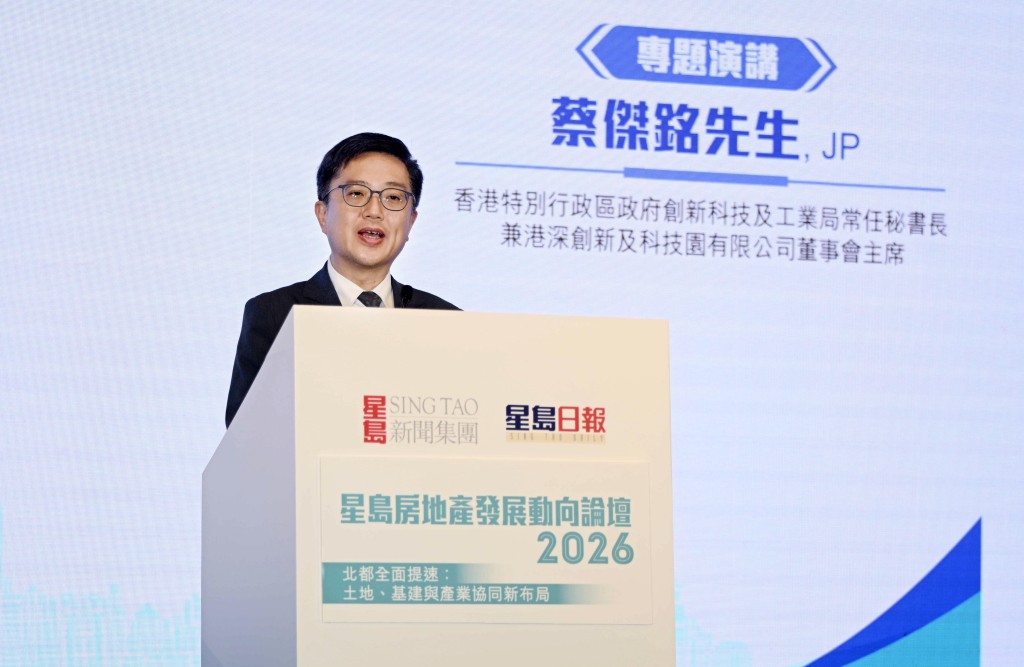
Hong Kong will launch a HK$10 billion Innovation and Technology Industry-Oriented Fund (ITIF) by the end of the year, with fundraising for sub-funds underway, said Secretary for Innovation, Technology and Industry Sun Dong.
His remark came during a radio program this morning, where he reported that about 20 fund managers had been shortlisted. The goal is to draw HK$30 billion in private investment from the industry, taking the fund's total size to HK$40 billion.
An extra HK$1 billion has been set aside to enhance the Innovation and Technology Venture Fund, he added, hoping to drive the tech sector through a "proactive government" and an "effective market."
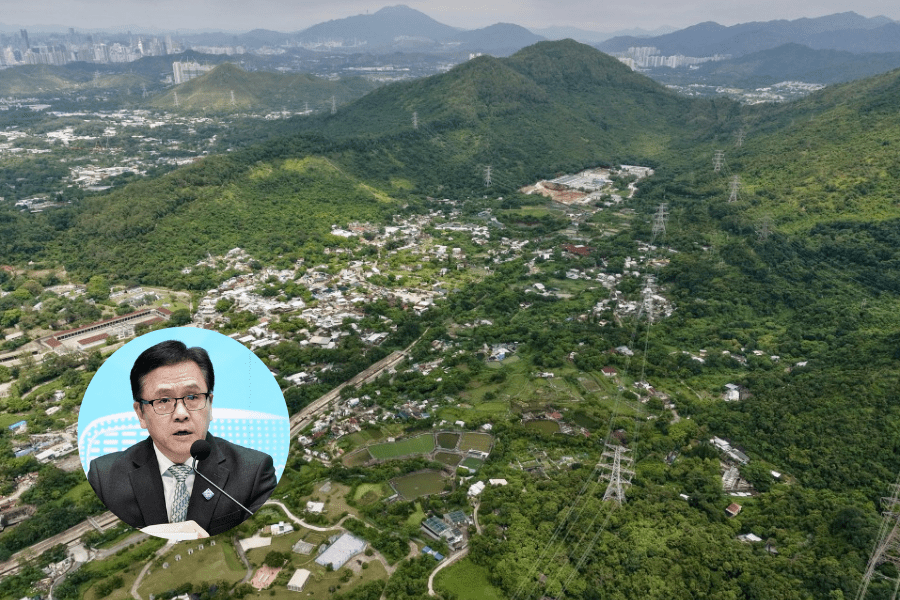
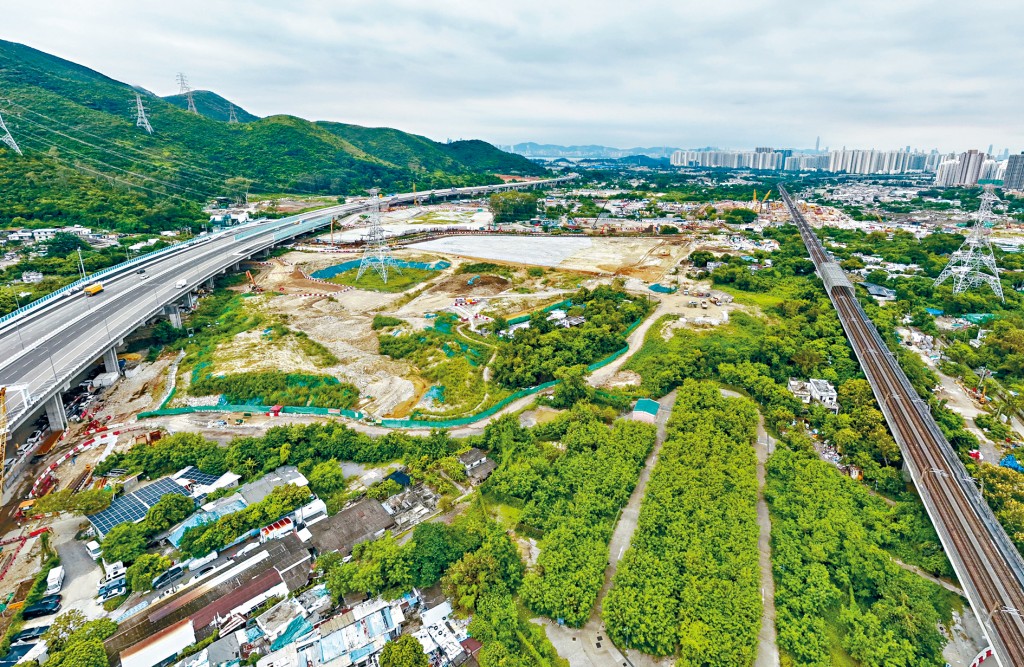
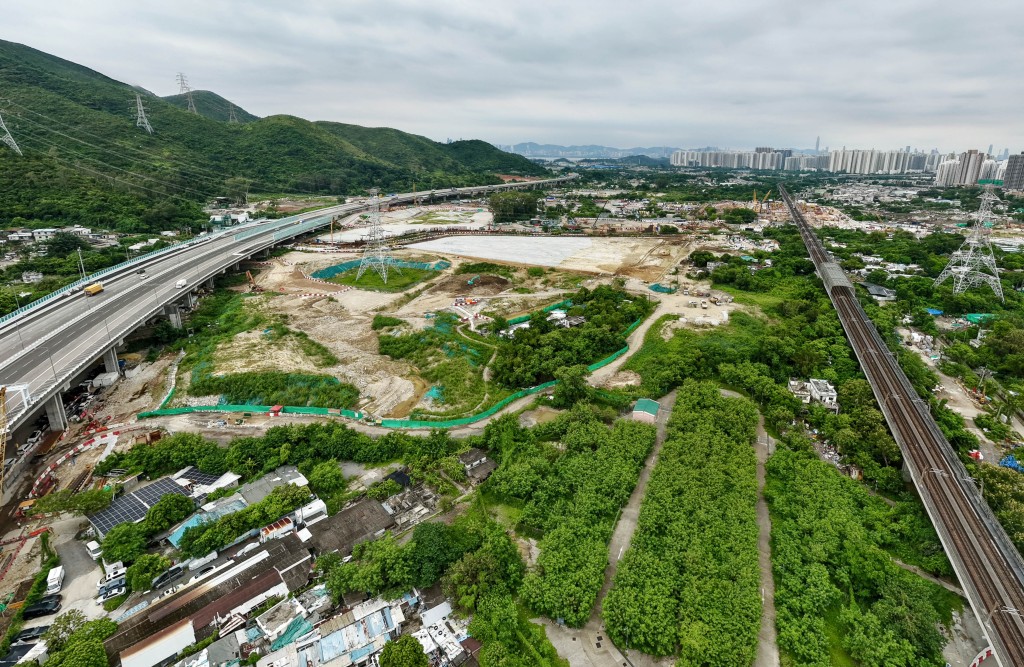
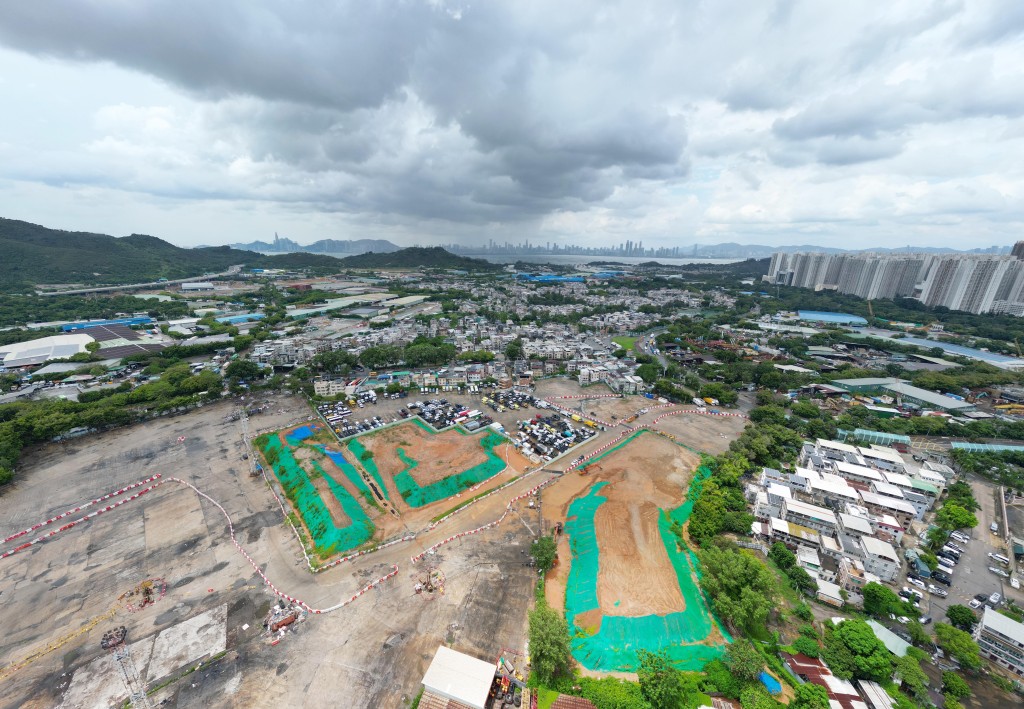
Turning to the Northern Metropolis, he noted that authorities will tap market forces to fast-track development of the San Tin Technopole, including site formation and infrastructure works. The push is anticipated to bring forward the timeline for San Tin, which accounts for nearly 100 of the 400 hectares of industrial land planned for the Northern Metropolis, with two to three hectares expected by the end of this year or early next year.
Sun added that about 70 percent of tender scores for the Hetao Co-operation Zone and Sandy Ridge cluster were based on firms' contribution to GDP and job creation — the same criteria that will apply to San Tin.
He further noted that the response to the tender for the eight plots at the Hetao Hong Kong Park met expectations, with results to be announced at the end of the year.
The first batch drew six bids from both private and state-owned firms in chips, artificial intelligence and quantum technology, he said, adding that the zone was gaining momentum and would become the core of Greater Bay Area tech development.
He stressed that ensuring the "four flows" — namely personnel, materials, capital and data — was key to driving the Loop's development, with a data flow pilot set for the end of the year and people flow to open by June 30 next year.
Loop Academy One in preparation for operations
Additionally, Sun said the Loop Academy One, the first building at the Hetao Hong Kong Park, is completed and being prepared for operation as the flagship of Hong Kong’s university town.
He said the building will bring together the Life and Health Research Technology Institute's headquarters and InnoHK, which is already in talks with overseas universities. Notably, the United Nations Industrial Development Organization will also set up its first center of excellence on global advanced manufacturing by the second quarter of next year.
When asked if different park operators would compete for investment, Sun ensured that each park had a clear role and firms would be directed to suitable sites.
Acknowledging that some overlap was possible, he said competition was not necessarily a "bad thing" and that authorities would step up communication to avoid confusion.
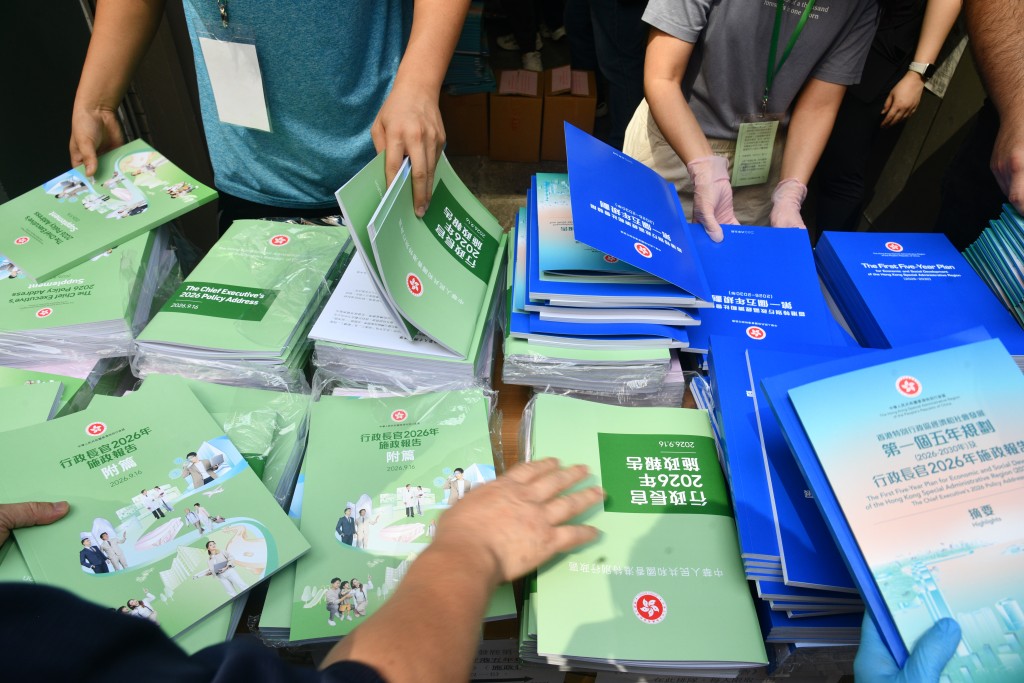
He also pointed to two key indicators in the city's first five-year plan — raising local innovation spending to 3 percent of GDP after 2030, and lifting the ratio of value-added from manufacturing and new industrialization-related sectors to 5.5 percent of GDP — which he said reflected government input and output, pledging to do his utmost to meet them.