






Read More

Foreign schemes use free travel to recruit elites to disrupt Hong Kong
29-07-2026 15:00 HKT


Seven arrested over Kwai Chung illegal gathering
14-09-2026 12:33 HKT


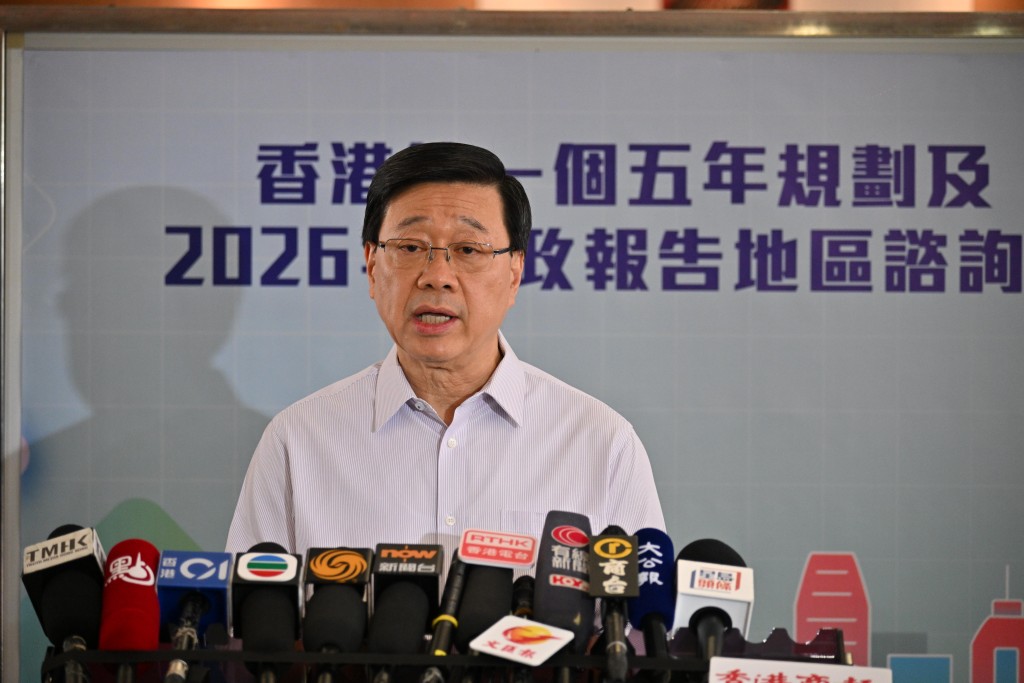
The Government of the Hong Kong Special Administrative Region (HKSAR) will release the First Five-Year Plan for Economic and Social Development of the Hong Kong Special Administrative Region (2026–2030) (hereinafter referred to as the Hong Kong Five-Year Plan) on the 16th of this month and will simultaneously announce the Policy Address 2026.
Coinciding with the opening year of the nation's 15th Five-Year Plan, this medium-to-long-term plan—introduced by the SAR for the first time—is regarded as an important policy blueprint for Hong Kong to align with national strategies and drive economic and social development, marking a milestone in "combining a capable government with an efficient market."
Chief Executive John Lee Ka-chiu described it with the metaphor "bringing the dragon to life by painting its pupils" (adding the finishing touch): "The Hong Kong Five-Year Plan dots the dragon's eyes, and then each year's Policy Address draws this dragon out." The Hong Kong Five-Year Plan outlines the overarching development direction, while the Policy Address implements concrete measures year by year.
A business sector figure stated, "The defense line of the rule of law has consolidated business confidence. Security and development must be advanced in a coordinated manner in order to consolidate the achievements of advancing from governance to prosperity, allowing citizens to share in prosperity and stability." The political sector also noted that coordinating security and development is not an either-or choice; the two are like two wheels of a cart or two wings of a bird, and neither can be dispensed with.
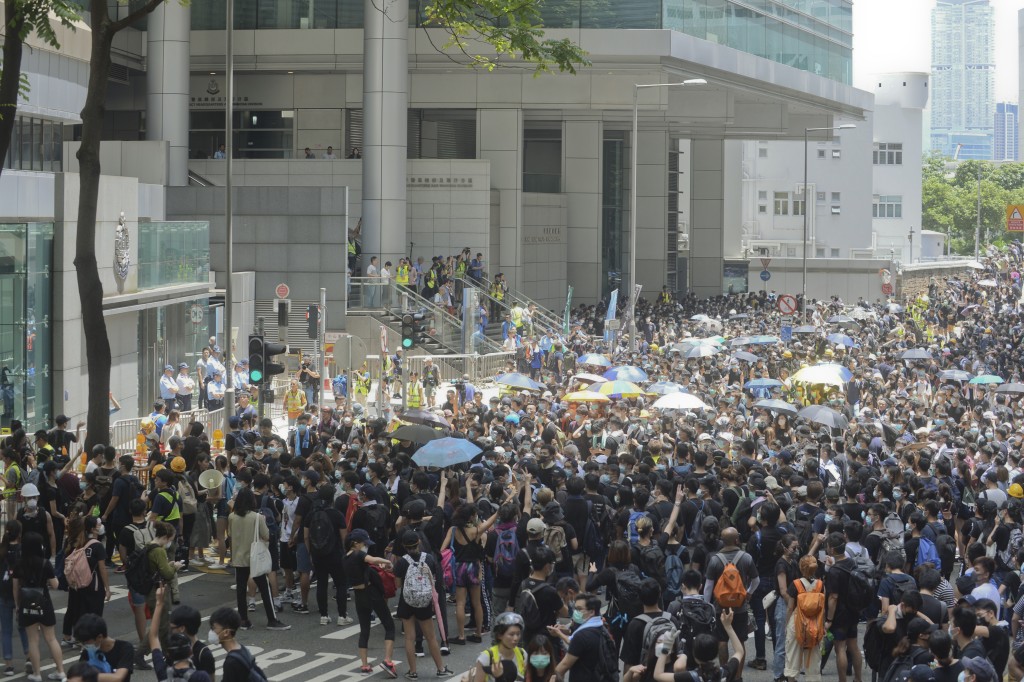
Reviewing developments in recent years, Hong Kong society has experienced various turning points. A business representative pointed out that in 2019, "black-clad violence," under the intervention and meddling of external forces, persistently battered the rule of law, jeopardized security, and severely damaged people's livelihoods.
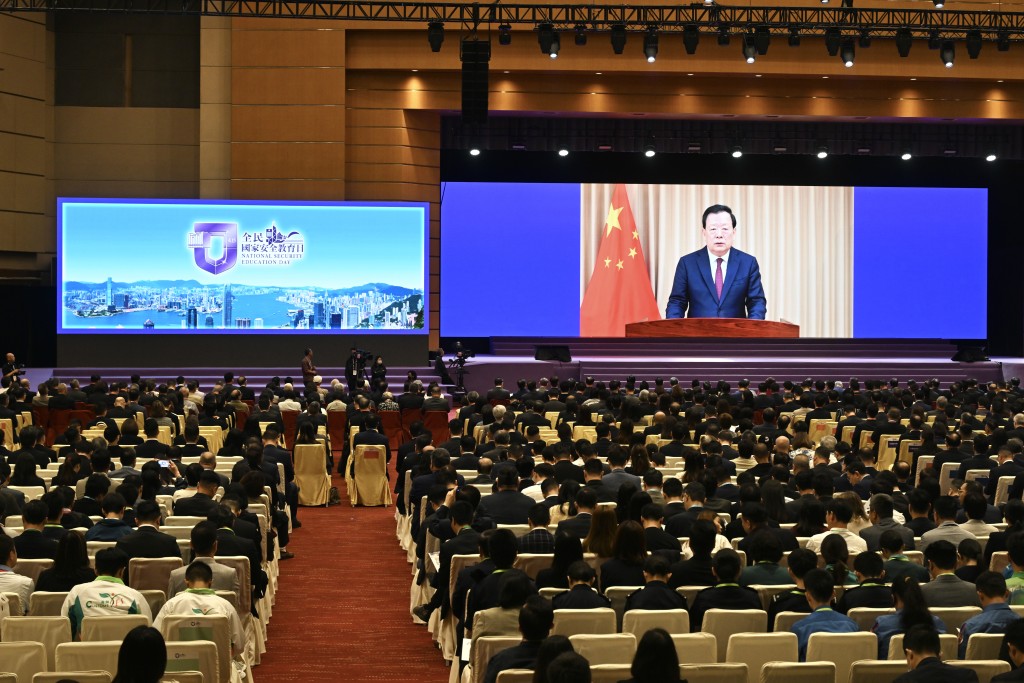
The business representative emphasized, "Stability is the prerequisite for economic recovery and attracting foreign investment. A secure environment helps consolidate corporate confidence, allowing society to focus on economic development and improving people's livelihoods."
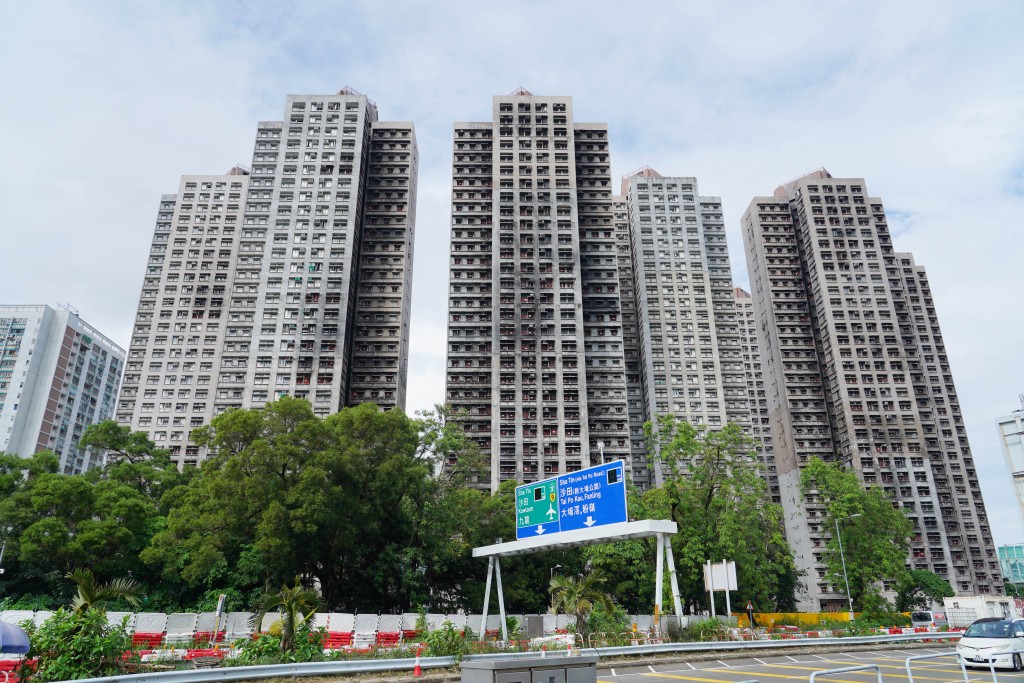
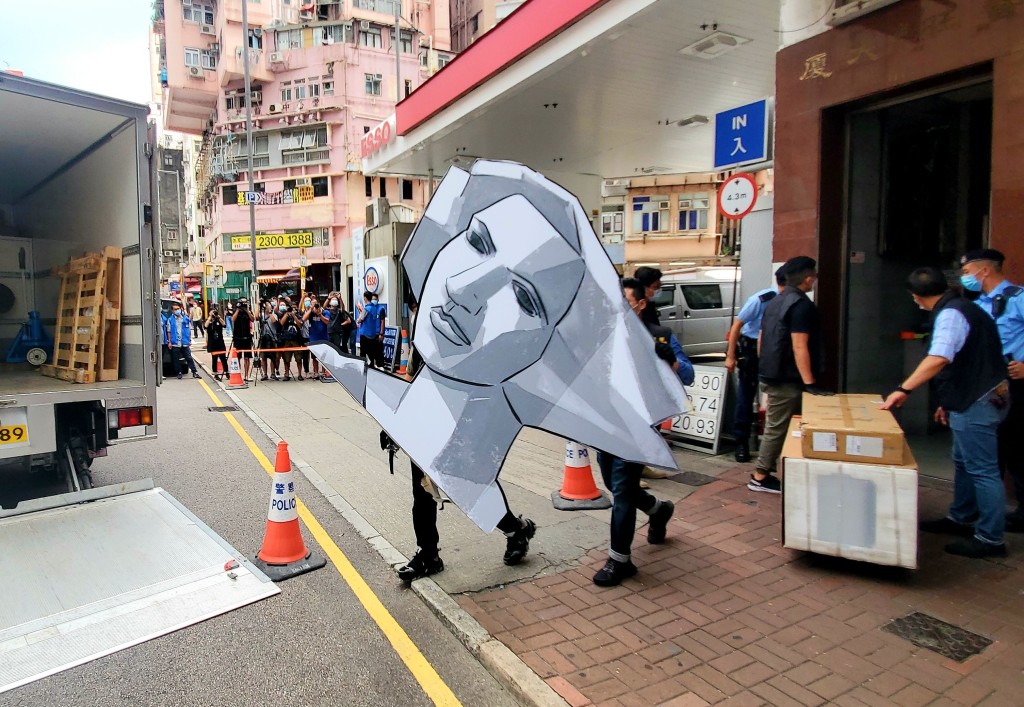
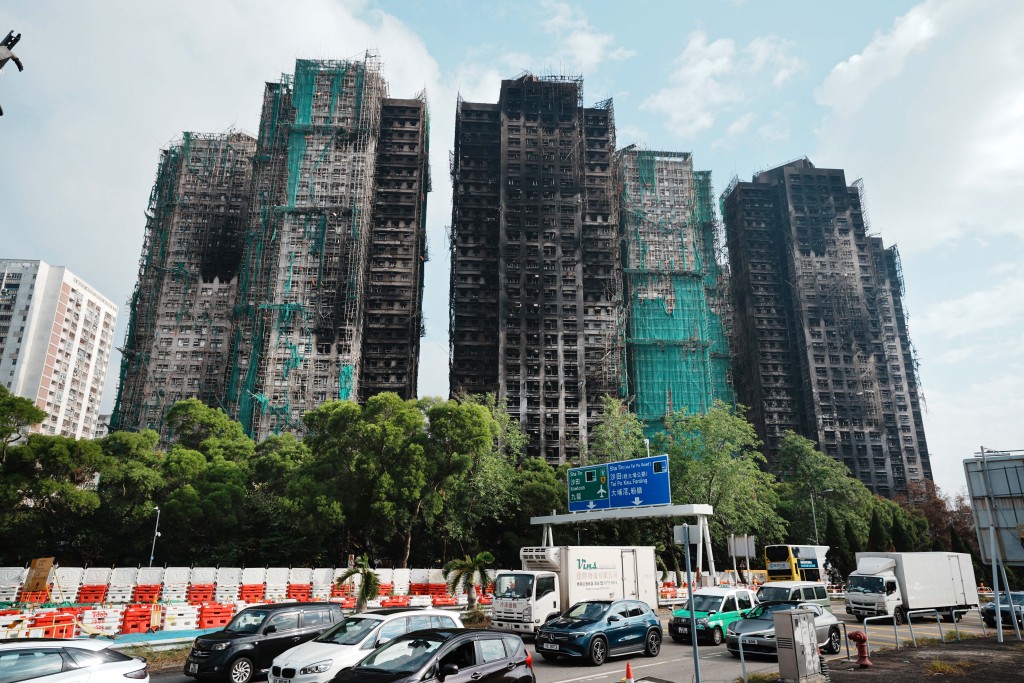
However, during the fire at Wang Fuk Court in Tai Po last year, some people immediately seized on the incident in an attempt to "use disaster to disrupt Hong Kong"; and recent law enforcement actions by the police have also revealed that there are still individuals who refuse to give up hyping the "August 31 incident," which has long been proven by multiple parties to be fake news, holding bouquets in Prince Edward while shouting seditious slogans.
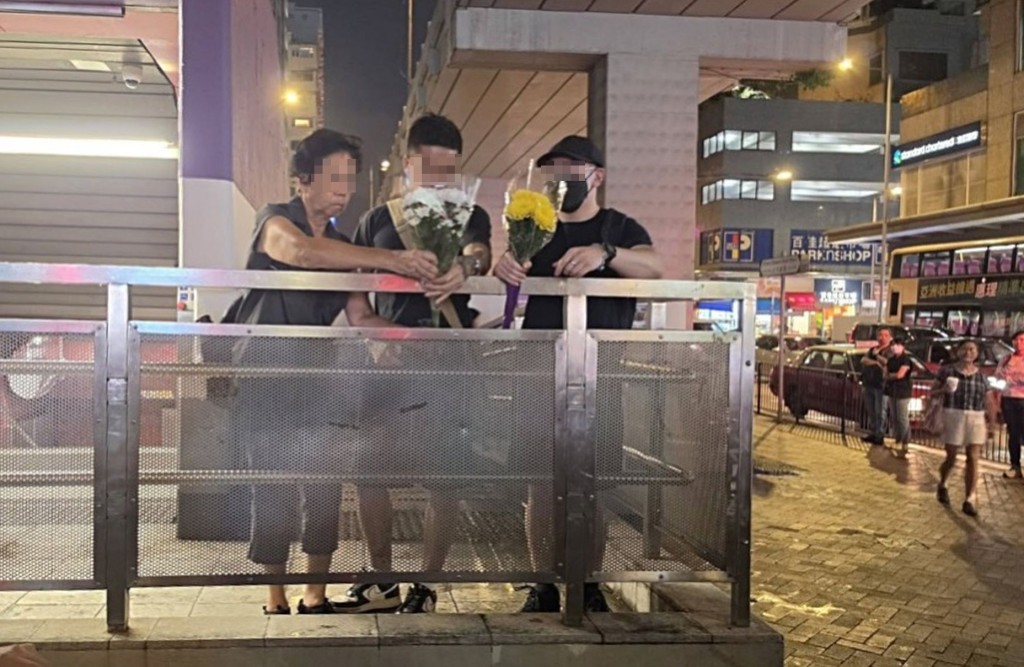
This proves that anti-China, destabilizing sentiments remain latent within the community, and people with ulterior motives continue attempting to shake public confidence through smear campaigns in public opinion and by infiltrating livelihood issues.
A Prince Edward resident stated frankly in an interview, "It gives people the feeling that there are signs of black violence resurfacing, but I believe the police will certainly take enforcement action."
The three Secretaries of Departments previously noted in articles that Hong Kong's transition "from chaos to governance, and from governance to prosperity, is both a process of building a solid security barrier and a process of improving the development environment and accelerating the pace."
Secretary for Security Chris Tang Ping-keung also warned: "Amid the accelerating evolution of changes unseen in a century and a complex, volatile geopolitical situation, various risks and hidden dangers may lie dormant for a long time or emerge suddenly. Without a solid security barrier, even the most magnificent development blueprint would only be a castle in the air."
Government data indicates that the Hong Kong Five-Year Plan proceeds from Hong Kong's unique characteristics and actual conditions, builds social consensus, and systematically plans development strategies for the next five years.
It serves both as an important vehicle for a "people-oriented" approach and fully implements the principles of "One Country, Two Systems," "Hong Kong people administering Hong Kong," and a high degree of autonomy.
It puts into practice the principle of "patriots administering Hong Kong," enhances governance efficacy, and provides safeguards for economic and social development; at the same time, it aligns with the Central Authorities' policy of "coordinating development and security," using high-level security to escort high-quality development.
Facts show that under the safeguard of security, Hong Kong's macroeconomic momentum has been robust. In 2025, it became the world's largest cross-border wealth management center, with assets under management surpassing HK$42.2 trillion.
Its status as an international financial center leaped to third globally; it ranked second globally in the World Competitiveness Yearbook; and its talent competitiveness rose to fourth globally. In the first quarter of 2026, economic growth reached 5.9 percent.
The Office for Attracting Strategic Enterprises has attracted a cumulative total of 124 strategic enterprises to establish a presence in Hong Kong, with an estimated investment of HK$73 billion.
The Hong Kong Stock Exchange welcomed 101 listed companies, raising HK$326 billion in funds; in addition, over 3,380 single-family offices have set up locations in Hong Kong.
An investor pointed out, "Security has become Hong Kong's unique advantage, attracting global capital to cast a vote of confidence with real money and polishing the golden brand of Hong Kong as an international financial center ever brighter. This is also the achievement of the government using high-level security to escort high-quality development."
As Xia Baolong, Hong Kong and Macao Affairs Office, remarked: "Hong Kong is a 'secure port,' and a 'secure port' is a 'port of development.'"
It is understood that the Hong Kong Five-Year Plan will focus on multiple key areas, actively aligning with the nation's 15th Five-Year Plan and demonstrating governance responsibility to "recognize changes, respond to changes, and seek changes." In terms of innovation and technology (I&T) and talent, taking the Northern Metropolis and University Town as the core, it will advance the integrated development of education, technology, and talent; in terms of the economy and finance, it will consolidate Hong Kong's status as an international financial, shipping, and trade center and develop an international I&T center; in terms of people's livelihoods, it will advance housing policy reforms, including easing public rental housing waiting times through "Light Public Housing" and eliminating substandard subdivided units with "Basic Housing Units."
Regarding regional cooperation, it will deepen the development of the Guangdong-Hong Kong-Macao Greater Bay Area, promote the practices of "Hong Kong-invested enterprises adopting Hong Kong law" and "Hong Kong-invested enterprises choosing Hong Kong arbitration," expand the scope of cross-boundary use of the Elderly Health Care Voucher, and accelerate the mutual recognition of "Greater Bay Area Standards."
Externally, the SAR continues to strengthen ties with countries along the "Belt and Road." In June this year, the Chief Executive led a delegation to visit Central Asia, signing 96 cooperation agreements and memorandums of understanding (MOUs) totaling over HK$12 billion, spanning finance, infrastructure, and green energy, giving full play to Hong Kong's roles as a "super connector" and "super value-adder."
Breakthroughs in science, technology, and aerospace have also become a focal point. The first Hong Kong-born payload specialist, Lai Ka-ying, was selected for the national astronaut corps, and recently, the Shenzhou-23 crew held a "Tiangong Classroom," engaging in real-time interactions with youth from Hong Kong and Macao.
Pro-establishment lawmakers believe that aerospace breakthroughs and science popularization activities not only stimulate young people's interest in innovation and technology but also foster society's sense of identity with national development, laying a talent foundation for Hong Kong's future I&T.