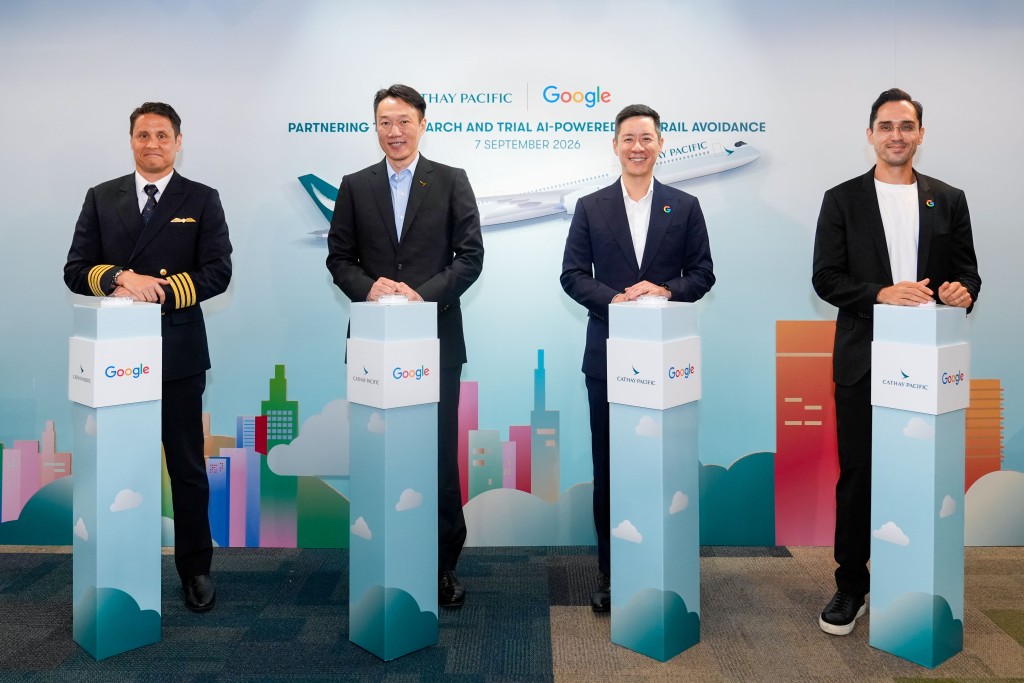
Cathay Pacific and Google are expanding trials of artificial intelligence technology designed to help aircraft avoid climate-warming contrails, after an initial test showed an estimated 40 percent reduction in their warming impact.
The partnership announced Monday will see the airline use Google’s AI-powered forecasting technology to identify atmospheric zones where persistent contrails are likely to form, allowing flight dispatchers and pilots to consider small altitude adjustments to avoid them.
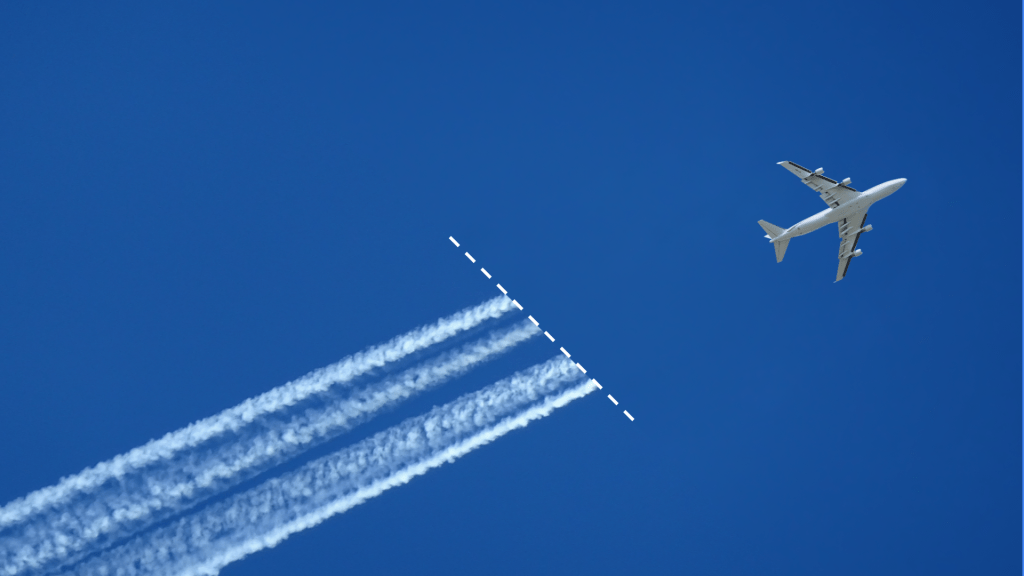
Contrails are the thin white streaks that form behind aircraft flying through cold and humid conditions at high altitude. Most disappear quickly, but some persist and spread into cloud-like formations that trap heat in the atmosphere and contribute to warming.
Contrails are the thin white streaks that form behind aircraft flying through cold and humid conditions at high altitude.
Research suggests persistent contrails account for roughly one-third of aviation’s total climate impact, making their mitigation an area of growing interest alongside efforts to reduce carbon dioxide emissions.
Google’s system combines AI-based predictions, satellite imagery and weather data to identify areas conducive to contrail formation in advance.
The information can then be used by pilots and dispatchers to plan small altitude changes, similar to adjustments routinely made to avoid turbulence.
Cathay integrates the forecasts into its proprietary Electronic Flight Folder, with in-flight Wi-Fi allowing pilots to receive updated information alongside normal operational data in the cockpit.
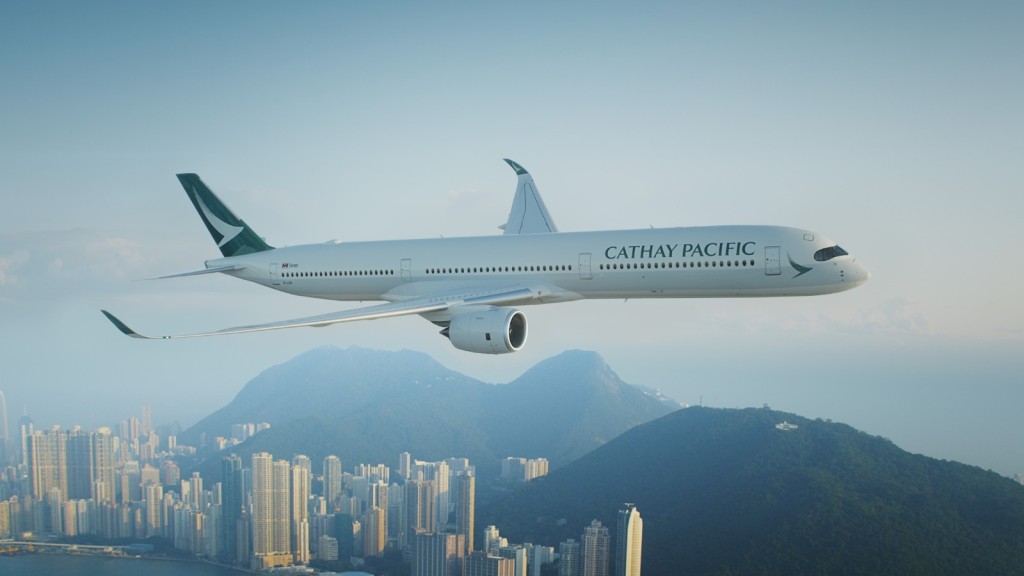
Cathay is Google’s first commercial airline partner in the Asia-Pacific region to trial the technology and the first airline globally to test contrail avoidance on ultra-long-haul flights.
The operational trial began in late 2025 and targeted more than 100 flights across Cathay’s network.
More than 80 flights followed contrail-avoidance routes, with Google’s analysis of satellite imagery estimating that the warming impact of contrails from those flights was reduced by about 40 percent.
The Hong Kong-Singapore route was among those tested because atmospheric conditions along the corridor frequently favor the formation of persistent contrails.
“At Google, we believe AI has the power to help address complex environmental challenges and our partnership with Cathay Pacific is a prime example of this in action,” Google Hong Kong managing director and general manager Michael Yue said.
He said the partnership is examining “how predictive AI can be deployed in live operations to help address the climate impact of contrails.”
The two companies are now moving into a larger second phase covering Cathay’s Asian and trans-Pacific network.
The trials are expected to generate more real-world data on contrail formation and avoidance in the Asia-Pacific region, which has been less represented in previous research and operational trials.
The findings will also help researchers and the aviation industry assess how practical contrail avoidance is across different routes and operating environments, as well as the potential climate benefits when the technology is deployed during normal commercial flights.