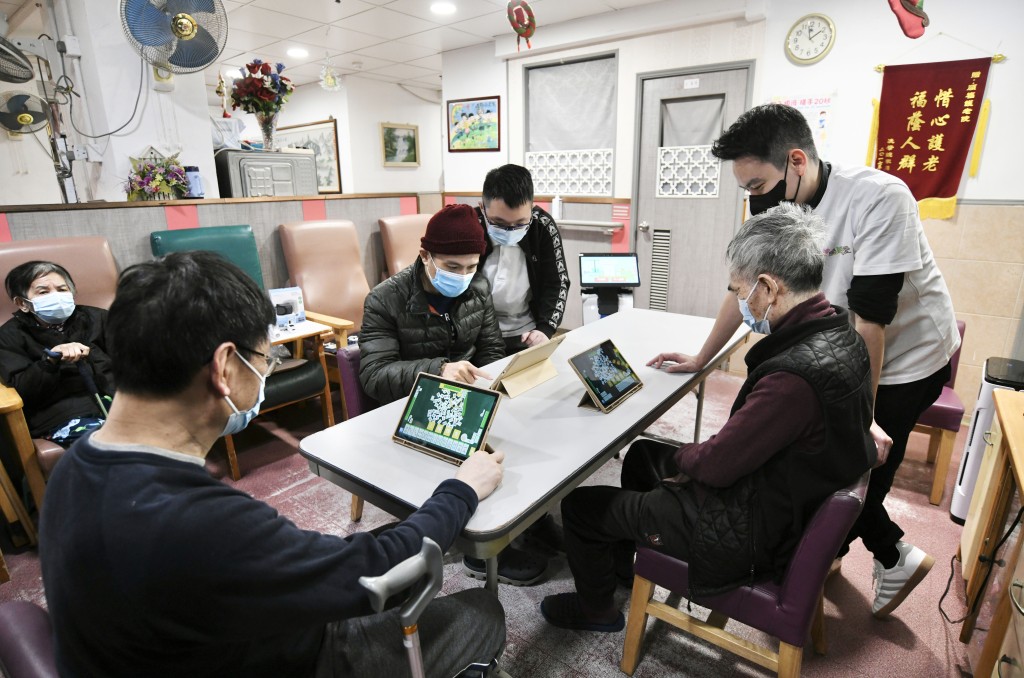
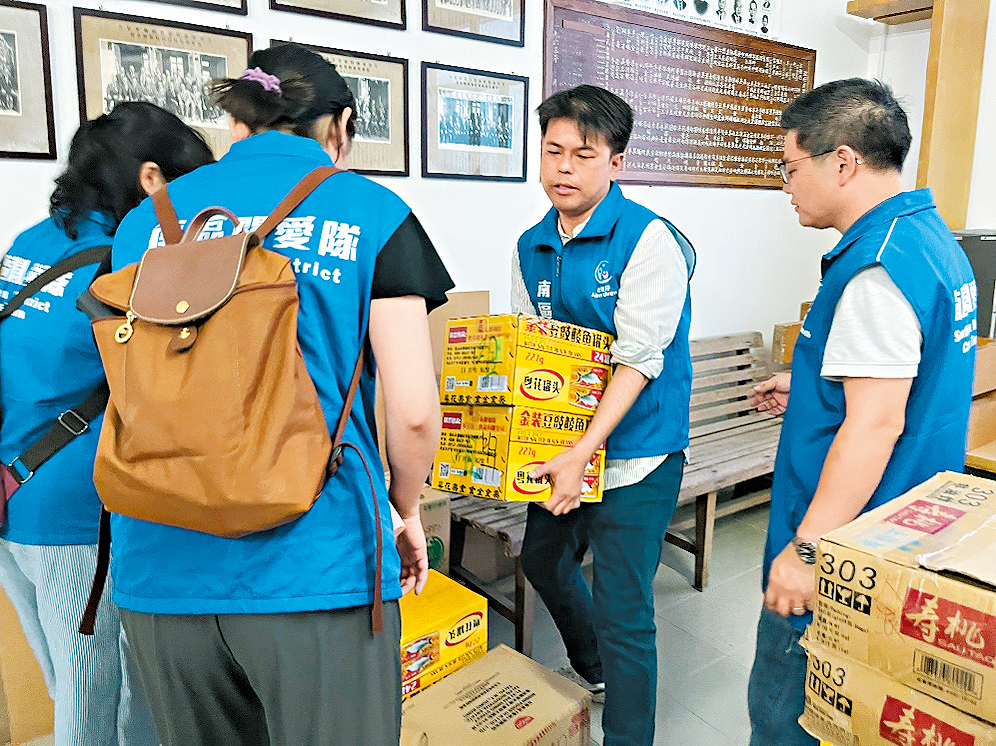
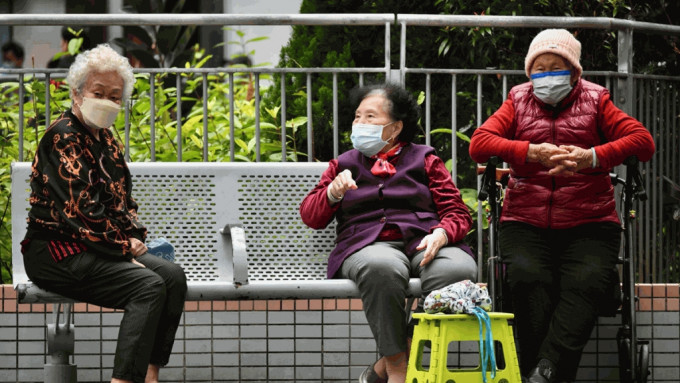
The government is exploring plans to expand the scope of elderly households prioritized for care and visits by Care Teams, lowering the age threshold from 80 or above to cover younger seniors aged between 60 and 79, Secretary for Labour and Welfare Chris Sun Yuk-han said on Sunday.
The move came after an elderly couple was found unconscious in their flat at Lai King Estate, resulting in the death of a 78-year-old woman with a chronic illness.
Speaking on a TV program, Sun explained that Care Teams currently rely on the Housing Authority’s tenant registers and big data analytics to identify and visit households where all residents are 80 or older.
He said authorities plan to optimize their big data applications by integrating additional parameters, such as chronic health conditions, to better identify vulnerable seniors.
The government released the Report on Impact of Targeted Poverty Alleviation Strategy in Hong Kong last week, which officially dropped the poverty line as an indicator for allocating assistance.
Instead, the government introduced a new framework designed to identify vulnerable populations and establish tailored relief initiatives for three primary target groups: subdivided flat tenants, single-parent households, and elderly households.
Addressing concerns over whether abandoning the poverty line was an attempt to obscure the true scale of local poverty, Sun disagreed. He emphasized that targeted poverty alleviation is designed to confront specific issues directly, arguing that these vulnerable groups often require better living conditions, community support, and emotional care rather than cash assistance.
As part of these expanded initiatives, Sun noted the government targets expanding the number of community living rooms from 14 to 18 within this year. The upgrade is projected to benefit 10,000 subdivided unit households, around 60 to 70 percent of which are families with children.
While the business sector provides the premises and funds for the renovations for these shared spaces, operational costs are covered by the Community Care Fund. He estimated that HK$500 million will be allocated from the fund to run the 18 facilities, adding that he hopes to expand the network to 20 locations.
He added that the government will monitor the project further before deciding whether to formalize the service permanently or shift to an alternative operational model.
In addition, Sun said that 207 primary schools across Hong Kong have joined the School-based After School Care Service Scheme. Expressing confidence that participation will rise alongside ongoing government promotion, he noted that authorities are already considering expanding the program to secondary schools in the next phase.