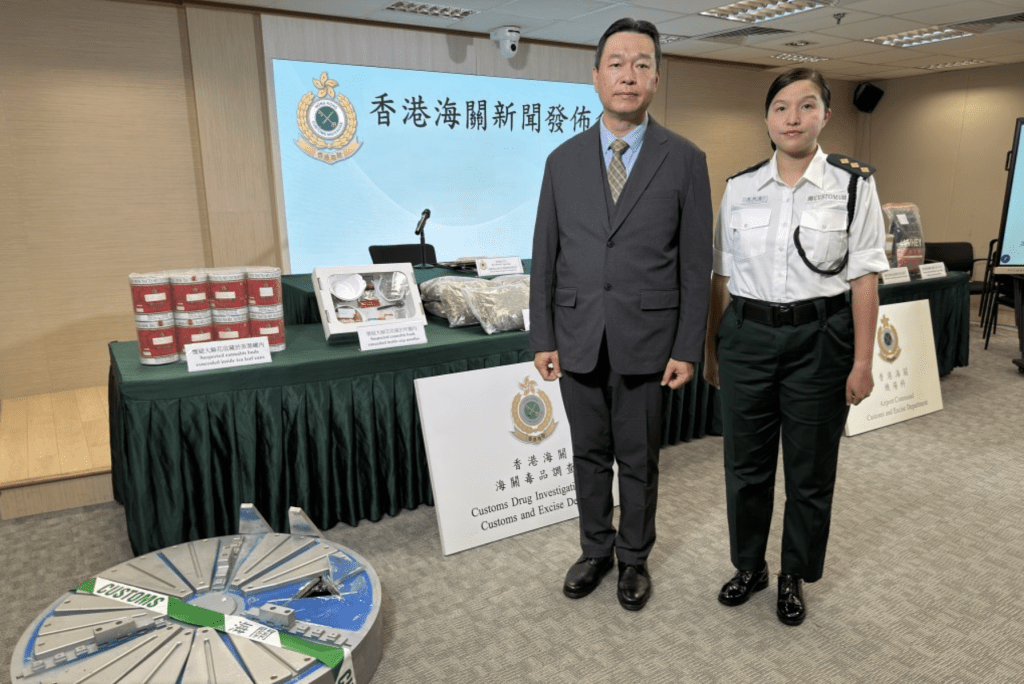
Hong Kong Customs hosted the Regional Conference on Smart Customs on Wednesday in its capacity as Vice Chair of the Asia-Pacific region for the World Customs Organization (WCO).
The three-day conference, running from March 11 to 13, has attracted more than 200 delegates from 33 countries and regions, including representatives from the WCO, customs administrations worldwide, and leaders from the innovation and technology sector.
The conference features a series of presentations and panel discussions aimed at fostering the exchange of experiences and best practices related to smart customs development.
“Hong Kong Customs has invested in artificial intelligence (AI), blockchain, cloud computing, and big data analytics to seize greater opportunities for cooperation and explore the future potential of economic development,” Commissioner of Customs and Excise Chan Tsz-tat said at the opening ceremony.
Chan also noted that customs organizations worldwide are facing unprecedented changes, including a significant increase in passenger and cargo volumes.
While advanced technologies are increasingly being applied to daily operations, he emphasized that the expertise and experience of frontline customs personnel remain indispensable in guiding these technologies.
He said the department is combining extensive experience, advanced equipment, AI and data analytics to improve risk identification and customs clearance efficiency across various sectors.
Chan added that ValidAP, a blockchain-based digital platform developed by Hong Kong Customs last year, facilitates real-time, simple and reliable validation of electronic trade documents across borders. The platform supports logistics and trade development in Hong Kong and the Asia-Pacific region while enhancing digitalization and paperless operations.
The platform has gained widespread recognition in the Asia-Pacific region, and Hong Kong Customs is currently in discussions with multiple members to deepen key elements within the regional trade ecosystem, including logistics, finance and capital chains, he said.
Secretary for Security Chris Tang Ping-keung said that with the rapid development of cross-border e-commerce and the expansion of regional value chains, cross-border capital flows, passenger traffic and data exchange have reached unprecedented levels.
At the same time, challenges such as smuggling, hazardous materials incidents and emerging risks in digital trade highlight the need to establish a scientific, efficient and intelligent customs platform. Smart customs has therefore become a strategic priority, he said.
Through digitization, data intelligence, optimized operations and multi-dimensional connectivity, authorities can reduce costs and speed up clearance for businesses while enhancing trade security through more effective risk identification, Tang said.
He noted that Hong Kong Customs has applied big data and AI computing to its smart customs information technology infrastructure, including an AI video analytics system that combines facial recognition with AI to enhance big data analysis capabilities, improve passenger experience and increase enforcement efficiency.
Tang added that although the Asia-Pacific customs sector has built a strong regional network, the development of smart customs and smart cities still faces challenges, including the need to further strengthen cybersecurity and data protection.
To address these challenges, he suggested promoting standards for data exchange, electronic payments and AI risk models to support international cooperation, secure connectivity and enhance public-private partnerships.
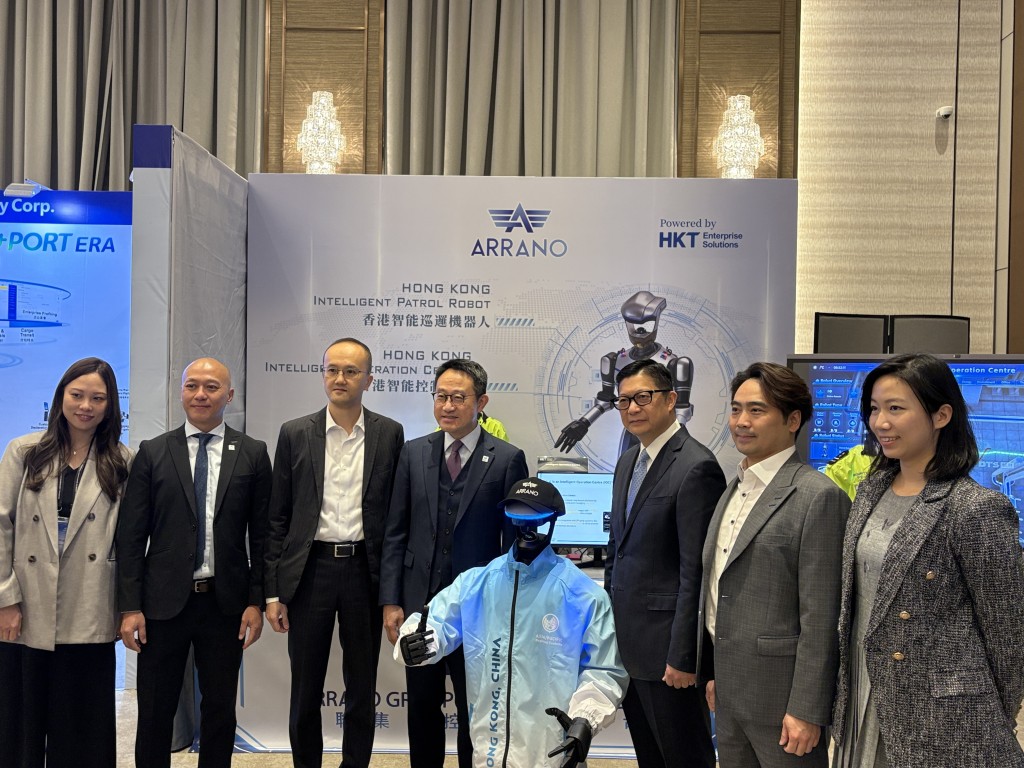
The conference also features an exhibition area showcasing several smart customs technologies, including intelligent patrol robots and diving robots.
Yuen Ka-ho, Senior Inspector in the Customs Marine Enforcement Group, said divers are often required to conduct underwater verification and vessel searches when customs officers combat smuggling at sea, which can involve considerable risks.
Smart technology is therefore being introduced to enhance safety. Diving robots are deployed first to assess water currents, visibility and potential danger zones before divers carry out the verification work, effectively reducing operational risks.