





Read More




Morning Recap - September 15, 2026
5 hours ago









MTR opens new Tung Chung Line Extension track section with smooth service
13-09-2026 12:59 HKT


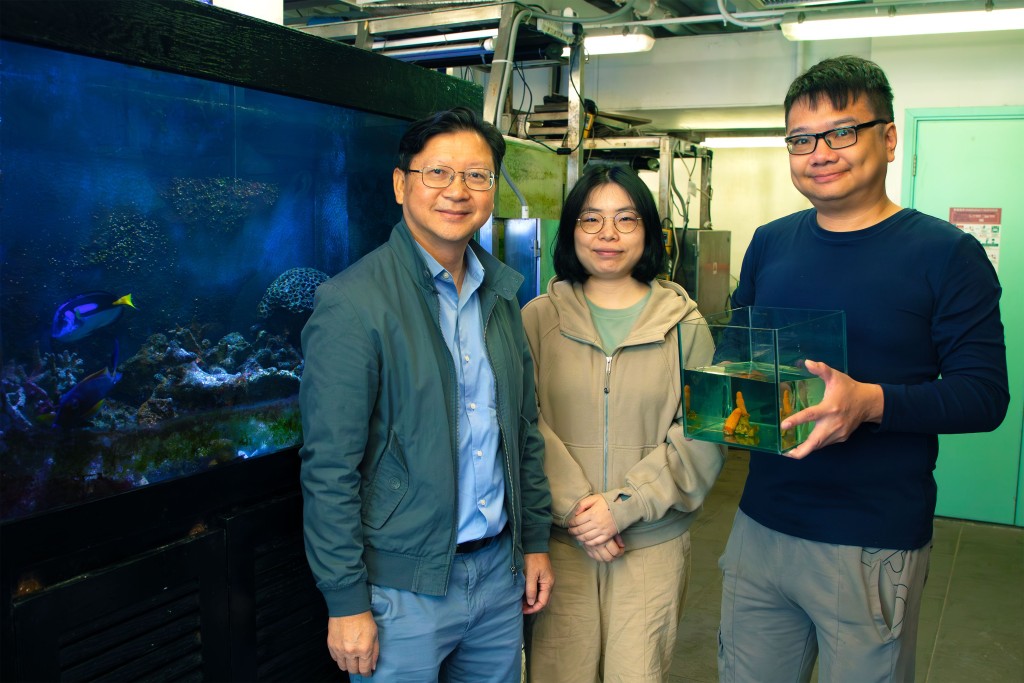
Marine biologists from Hong Kong Baptist University (HKBU) have identified two new soft coral species from the urban waters of the city and Zhuhai, with one being the first of its kind reported from the China Seas.
Qiu Jianwen, professor of the Department of Biology at HKBU, said that the two new species, Parasphaerasclera dimorpha sp. nov. and Paraminabea inflata sp. nov., mark significant contributions to the understanding of coral biodiversity in the Guangdong-Hong Kong-Macao Greater Bay Area.
“It also shows that even in urbanised waters, significant cryptic biodiversity remains to be documented and protected,” he said.
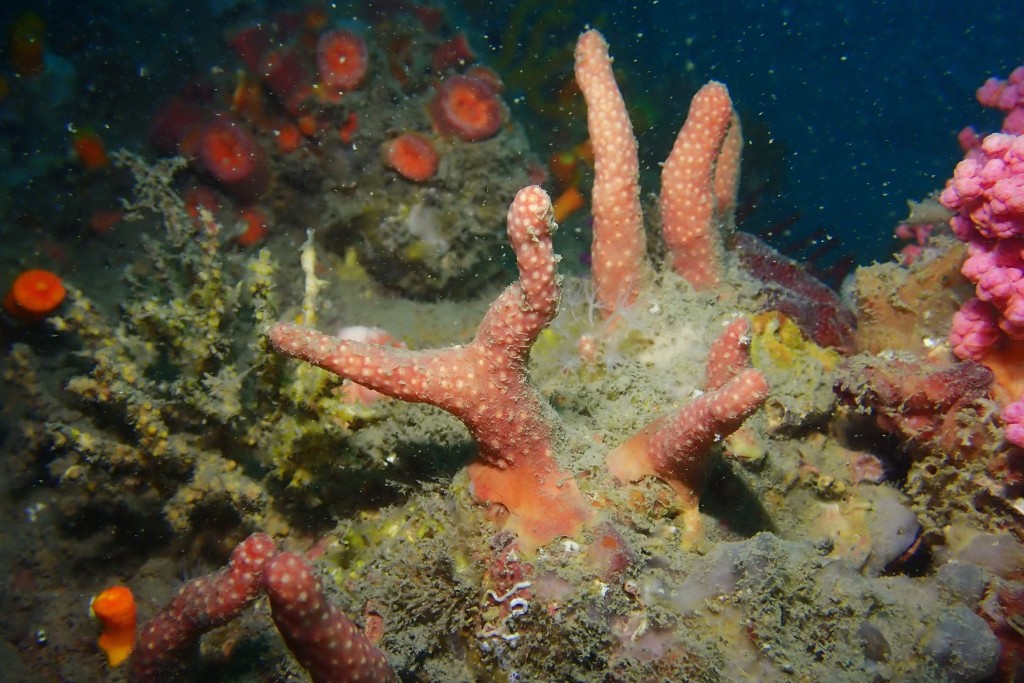
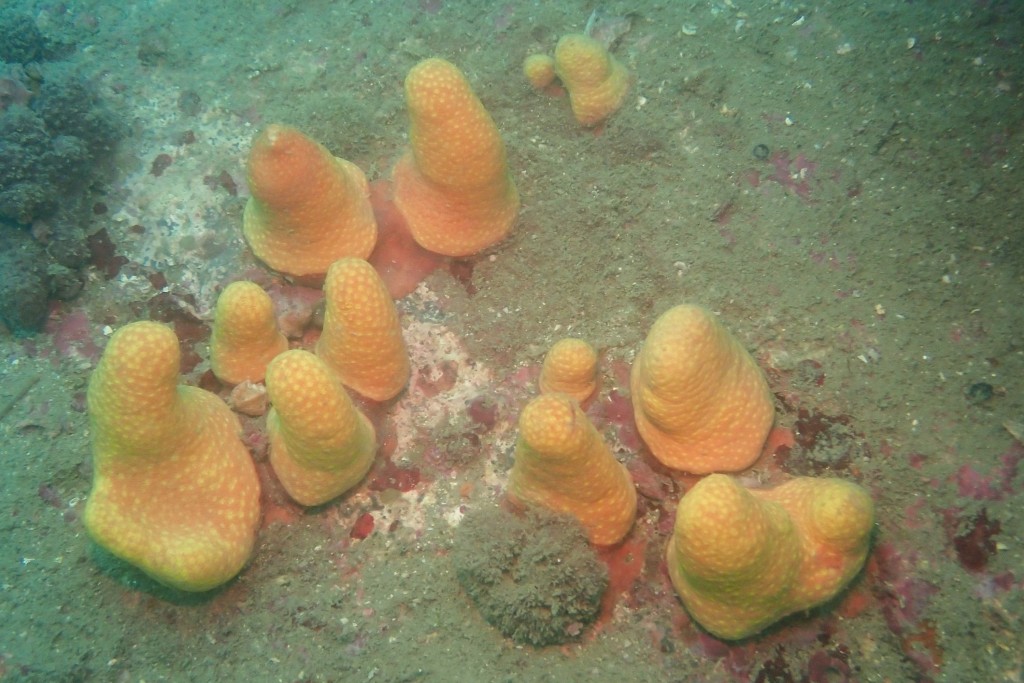
This discovery brings the number of known species in their respective genus, Parasphaerasclera and Paraminabea, to 11.
Qiu’s research team collected eight coral colonies at about 15 to 25 meters depth from the rocky reefs off Hong Kong’s Sung Kong Island and Zhuhai’s Heizhou Island. Among them, they identified these two species for the first time worldwide.
Notably, Parasphaerasclera dimorpha sp. nov. marks the first discovery in Hong Kong. It was characterized by its bright orange-red color and digitiform colonies with a conspicuous stalk and branches.
Paraminabea inflata sp. nov., found in both Hong Kong and Zhuhai, is the third species from its genus discovered in the region over the past 15 years. This species forms yellow or orange colonies with long polyps.
Using integrative taxonomy – an approach that combines morphological and genetic data — the research team clarified the evolutionary relationships of these species. The genetic sequencing revealed that Parasphaerasclera dimorpha sp. nov. is related to an Australian species, while Paraminabea inflata sp. nov. is closely associated with a local Hong Kong species.
In addition, the team assembled the mitochondrial genomes for the two new species as well as another coral species, Paraminabea rubeusa, to provide crucial genetic data to better understand the genetic distances among soft corals.