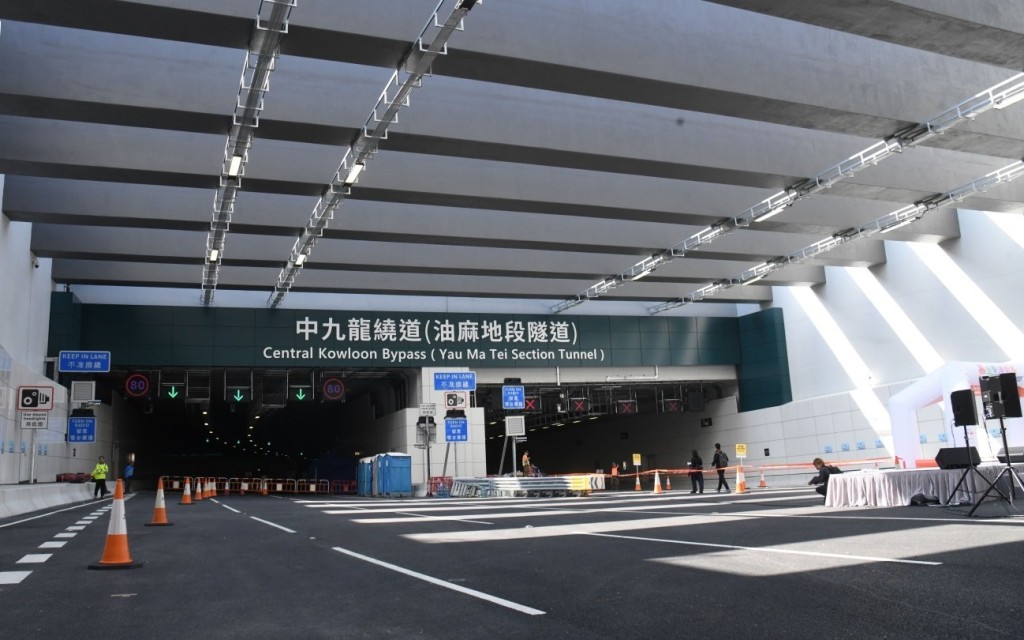
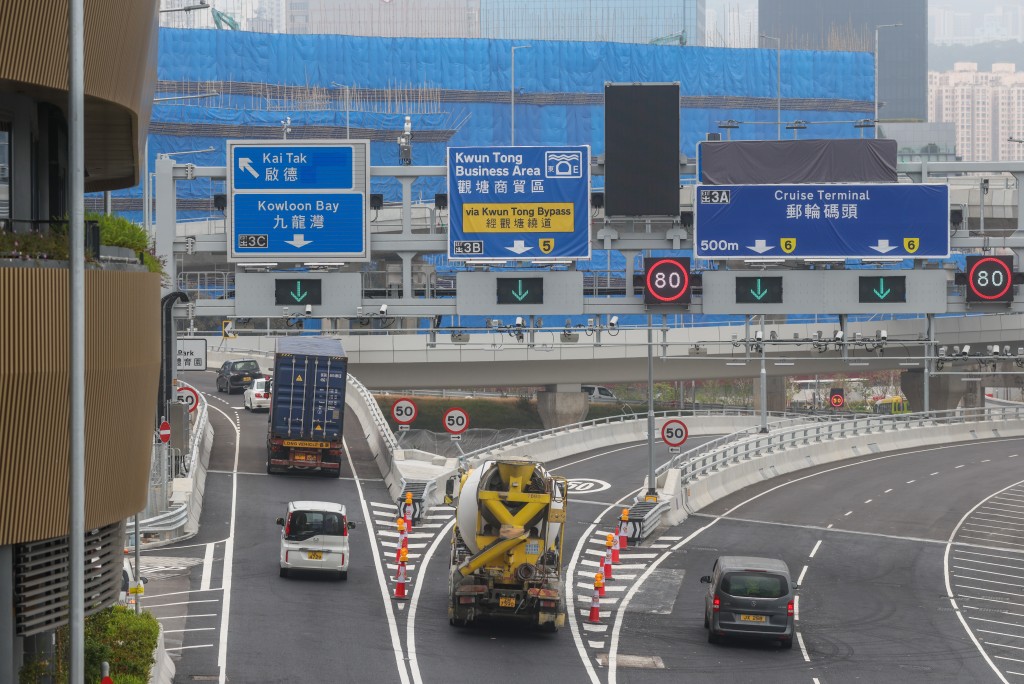
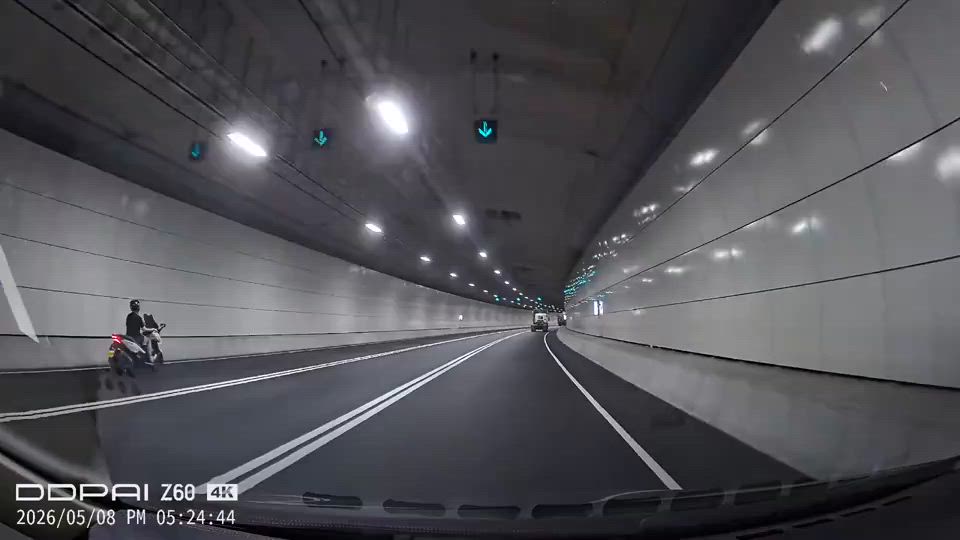
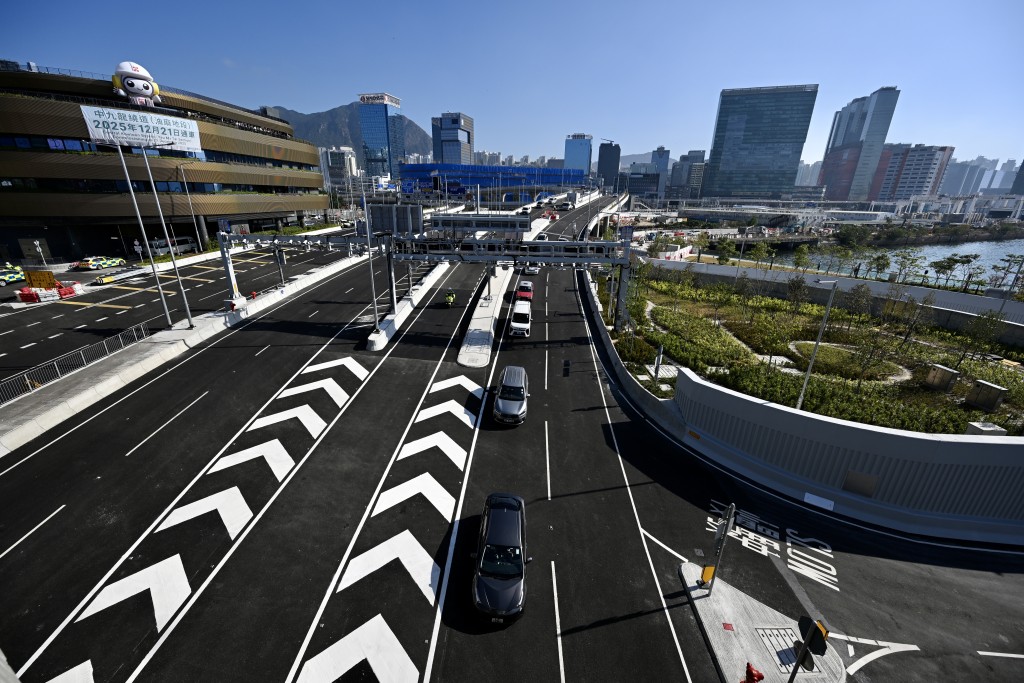
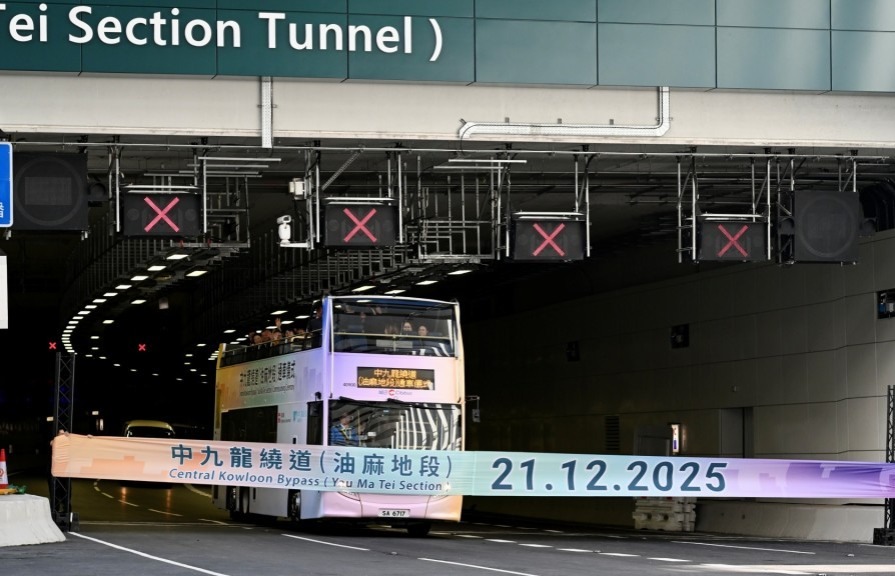
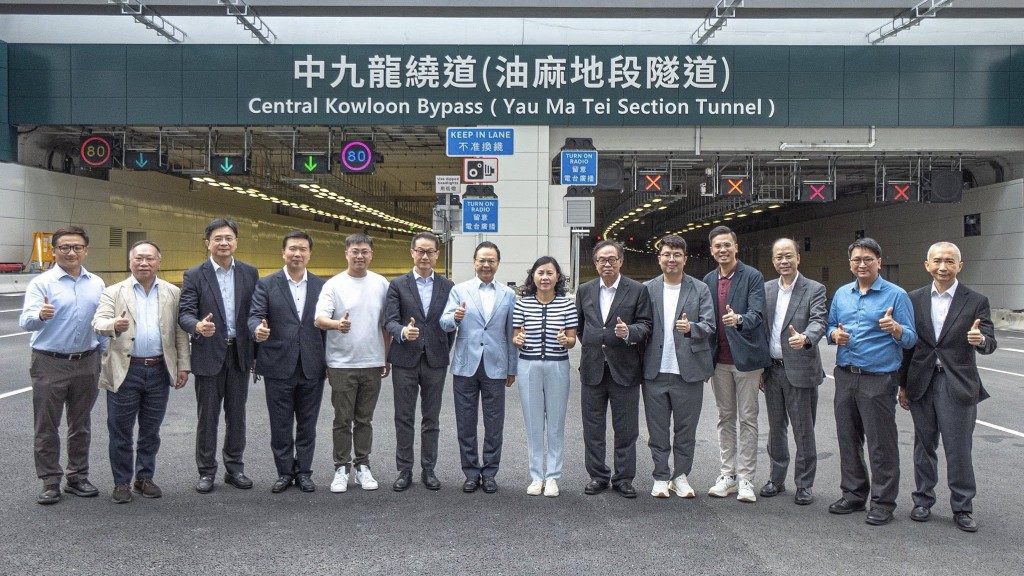
As the Yau Ma Tei section of the Central Kowloon Bypass (CKB) prepares to open on Sunday, lawmaker Bill Tang Ka-piu said the real test of the new route will come during Monday’s rush hour, with possible bottlenecks expected near the Kai Tak section.
Spanning 4.7 kilometers, the new route is expected to cut travel time between Yau Ma Tei and Kowloon Bay from about 30 minutes during peak hours to around five minutes.
“The opening of the CKB’s Yau Ma Tei section marks a milestone for Kowloon,” Tang said on a radio program this morning, noting that it could save commuters up to 30 minutes when traveling to Central Kowloon and the airport.
However, he said the initial opening unlocks only about half of the bypass’s potential, adding that its full role in diverting traffic will become clearer only after the Cha Kwo Ling extension is completed next year.
While the new section may not immediately ease congestion in East Kowloon’s commercial areas, Tang said it would offer faster journeys for residents of Tseung Kwan O and Kwun Tong traveling to West Kowloon or the western New Territories.
Tang added that the busiest test period would likely be the Monday morning peak on December 22, during which minor congestion could occur at the western portal and at the entrances and exits near the Kai Tak end of the CKB.
He also warned of a possible shift in traffic toward the Western Harbour Crossing, urging authorities to closely monitor road conditions and assess the impact.
From next week, eight bus routes will operate along the CKB’s Yau Ma Tei section during weekday peak hours, including three new routes and adjustments to five existing services.
Tang expressed hope that additional bus routes would be introduced during non-peak hours after the first quarter of next year to further improve commuting efficiency and passenger experience.
He also suggested rerouting airport bus services serving Wong Tai Sin, Kwun Tong, and Tseung Kwan O through the CKB to shorten travel times to the airport and enhance convenience for both travelers and daily commuters.
No immediate pressure for fare increases
Speaking on the same program, Kenny Kan Hok-hei, Head of Corporate Communications and Public Affairs at Kowloon Motor Bus (KMB), said the current arrangement allowing buses to use the CKB during peak hours is intended to observe actual traffic conditions before any gradual expansion.
Kan said the X6C route, which connects Hong Kong Children’s Hospital with Mei Foo, is expected to be among the first to be rerouted through the CKB as early as next year, helping to improve traffic flow.
Addressing concerns about potential fare increases, Kan said bus fares are set according to government-approved mechanisms based on route type and distance, and are not directly linked to tunnel usage.
He added that there is no immediate pressure to raise fares, as multiple factors would be considered before any adjustment is made.
Final safety checks assured
Alex Tsang Chung-man, Chief Engineer of the Highways Department, said final inspections would be carried out in the days leading up to the opening to ensure the route’s safety.
He said additional checks would be conducted in the early morning on the opening day to ensure clear signage is in place, followed by ongoing monitoring to meet public needs.
Addressing concerns over settlement risks, Tsang said safety remains the top priority for public works projects, adding that monitoring data has remained stable and within normal ranges since the project’s completion earlier this year.
Authorities will continue to monitor surrounding conditions after the road opens, he said.