With Hong Kong recording three local chikungunya fever cases within nine days, health experts are encouraging residents to enhance mosquito control measures.
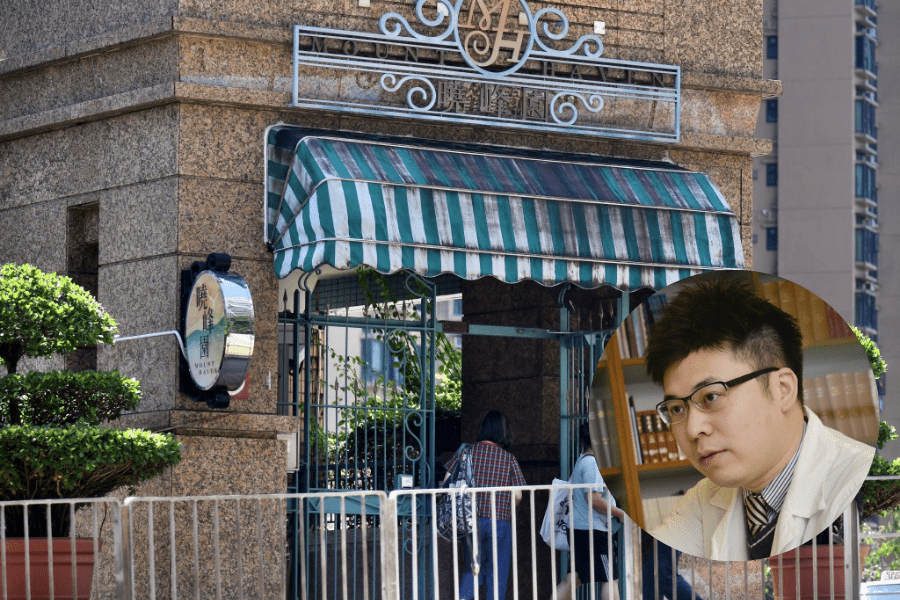
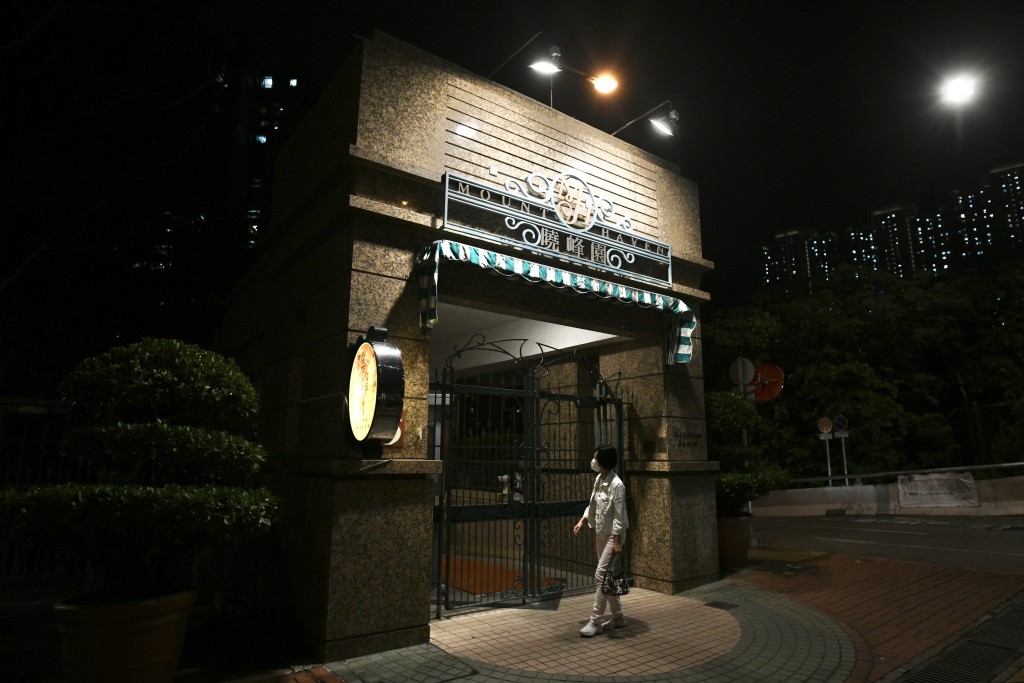
The appeal follows the latest case involving a 45-year-old resident of Tsing Yi Mount Haven who works in Sheung Wan. His broad movement pattern has complicated efforts to trace the source of the infection.
Speaking on a radio program on Tuesday (Nov 4), Jasper Chan Fuk-woo, Clinical Professor at the University of Hong Kong, explained that the city is now entering a new phase after recording its first local transmissions following over 40 imported cases since July.
While the first two local cases had relatively straightforward lifestyles that were easier for authorities to monitor, the latest case presents challenges due to the patient's wide-ranging activities, making it difficult to pinpoint the infection source, Chan noted.
In light of the third case, Chan urged citizens to remain vigilant regarding the potential risk of the virus spreading, but reassured the public that there is no need for excessive panic.
He indicated that the city could see an increase in imported cases due to frequent cross-border interactions and ongoing cases in neighboring regions.
He stressed the importance of forthcoming investigations, particularly concerning the patient's environment, residence, and commonly visited locations, to identify any additional local cases.
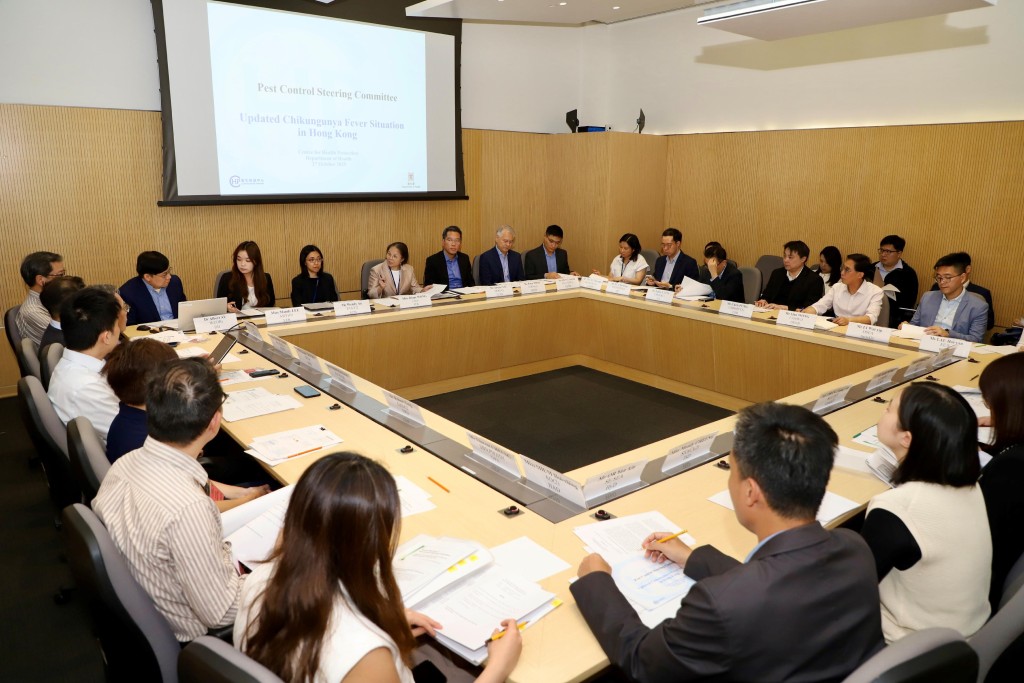
Apart from epidemiological investigations, he added that efforts will be made to obtain more genetic sequencing data on the virus, such as whether there is an emergence of new strains.
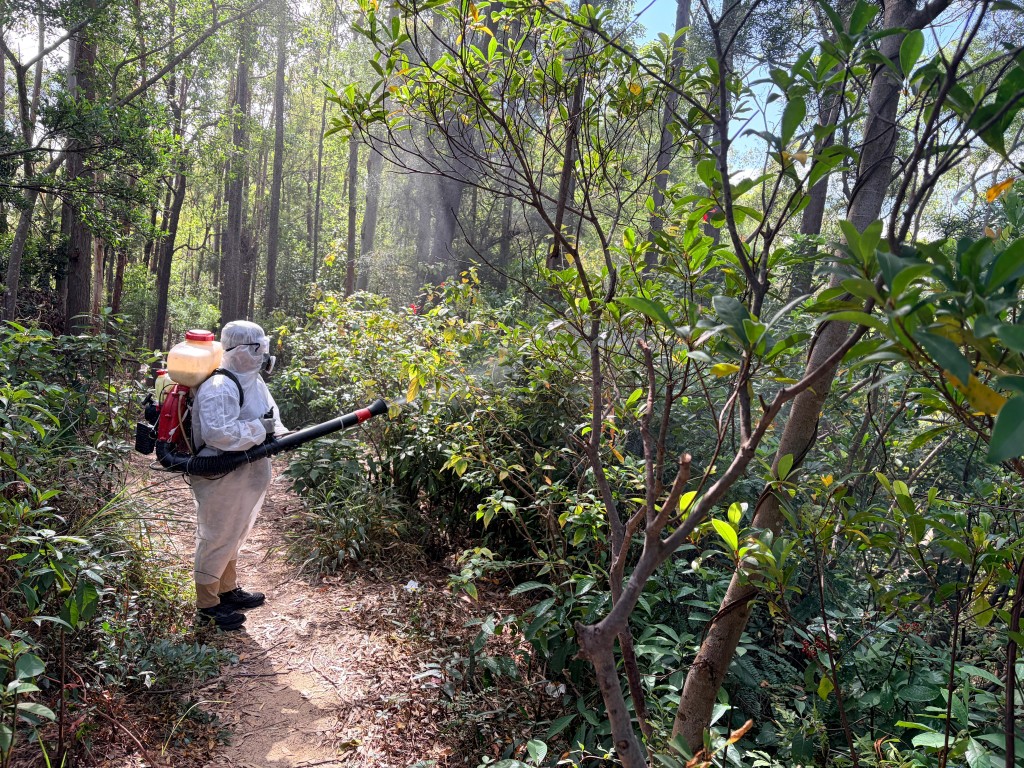
Mosquito control operations and inspection over hidden breeding sites have been strengthened in affected areas, with authorities collecting samples of Aedes albopictus mosquitoes for testing to confirm if the virus is spreading within the mosquito population.
Citizens encouraged to seek testing
Although Mount Haven had recorded two imported chikungunya cases in August, Chan believes the latest case is less likely to be related.
Chan added that at least two-thirds to seventy percent of chikungunya patients exhibit symptoms, encouraging residents who have visited the affected areas and are feeling unwell to seek testing.
With current temperatures remaining high for the season, Chan reminded the public to maintain strict mosquito control measures during outdoor activities or hiking.
Citizens who experience symptoms such as fever, rash, or joint pain after visiting the Greater Bay Area or other affected regions are advised to seek medical attention promptly.