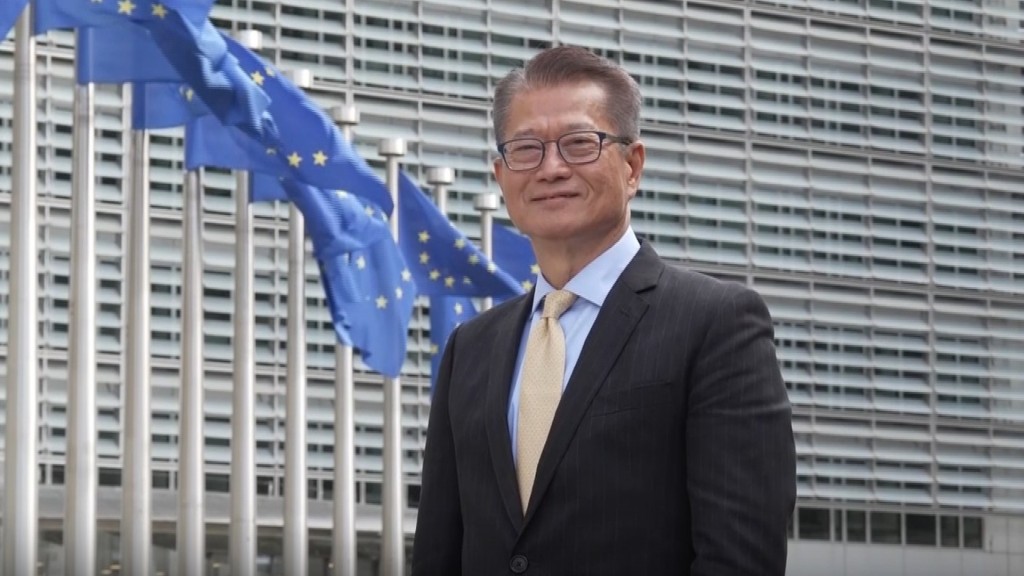
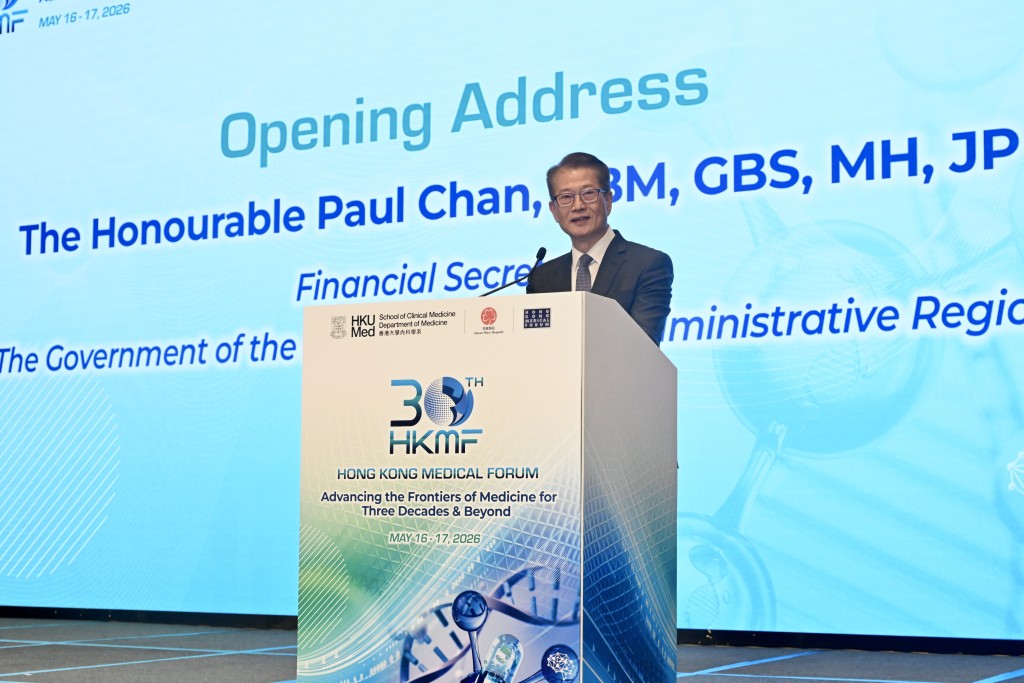
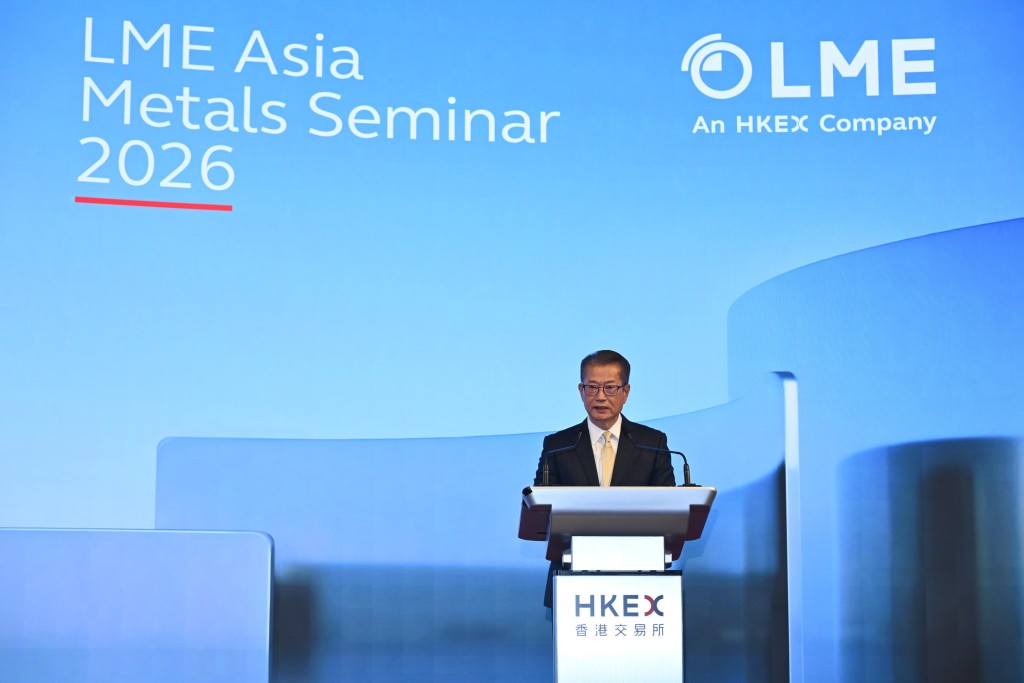
Financial Secretary Paul Chan Mo-po shared the latest developments in Hong Kong's economy and engaged in in-depth discussions with representatives of US-based asset management institutions and fund managers as he continued his visit to New York.
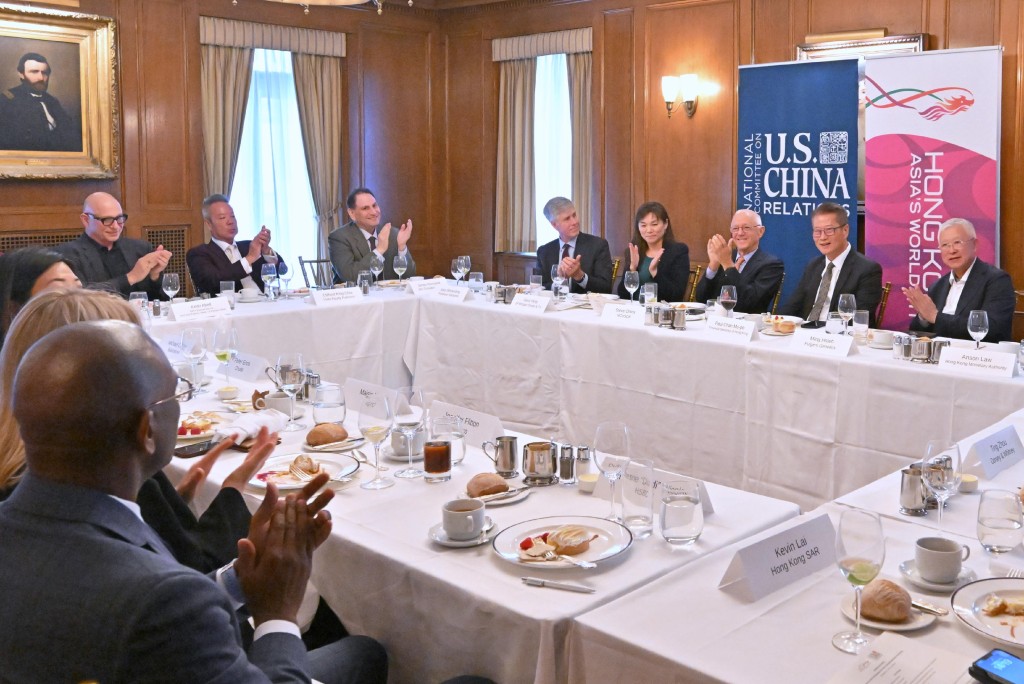
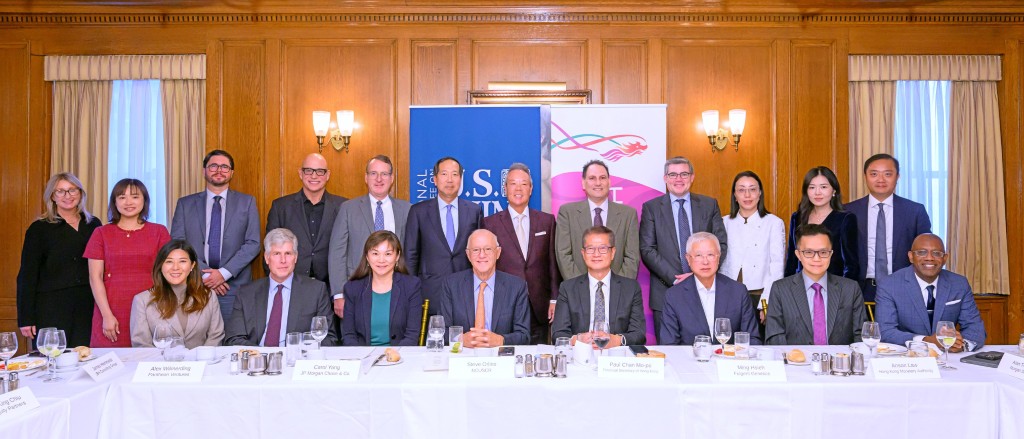
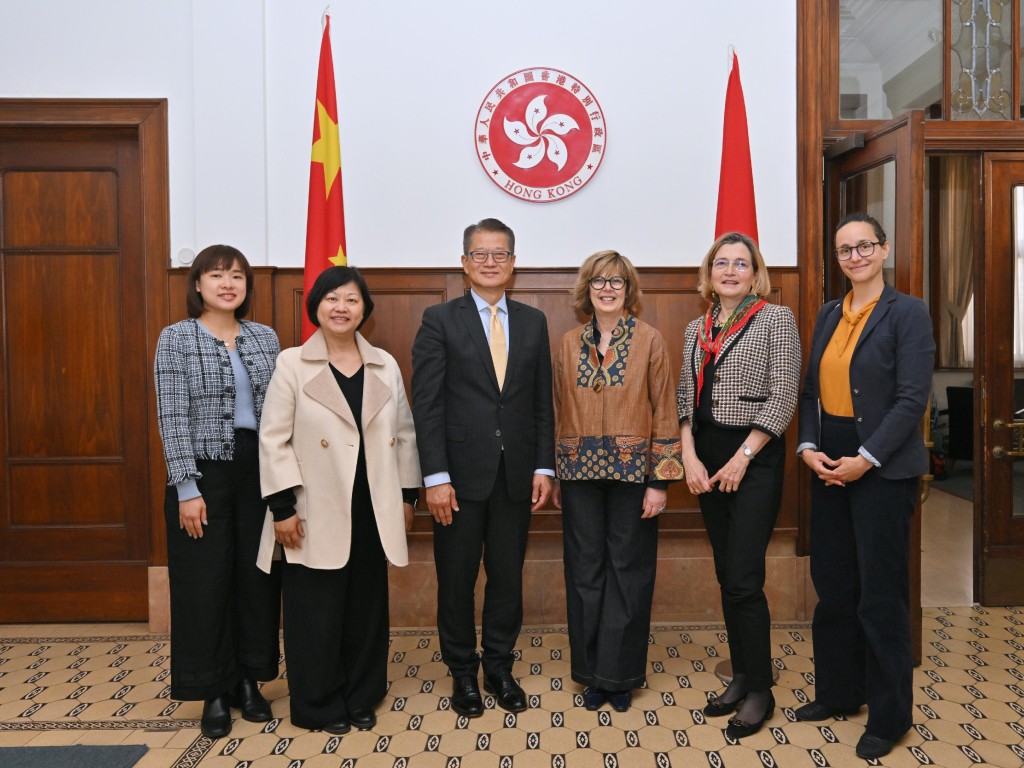
On his second day of visit, Chan attended a luncheon hosted by the National Committee on United States–China Relations (NCUSCR) and the Hong Kong Economic and Trade Office in New York, which was joined by over a dozen prominent leaders from the US financial, investment, pharmaceutical, creative industries, and think tank sectors.
He briefed participants on the city's strategies to support the financial market, innovation and technology, overall development and regional supply chain connectivity and welcomed US enterprises and professionals to leverage Hong Kong as a gateway to access the Chinese and broader Asian markets.
Chan affirmed that despite the escalating tariff war, Hong Kong will steadfastly maintain its status as a free port and uphold a free and open trade policy.
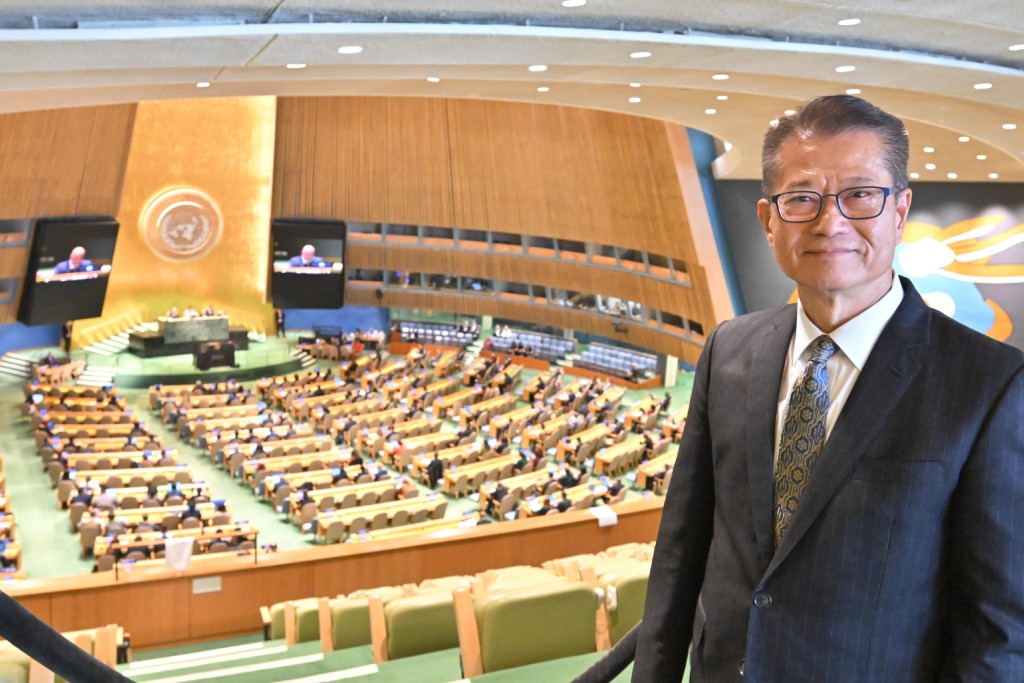
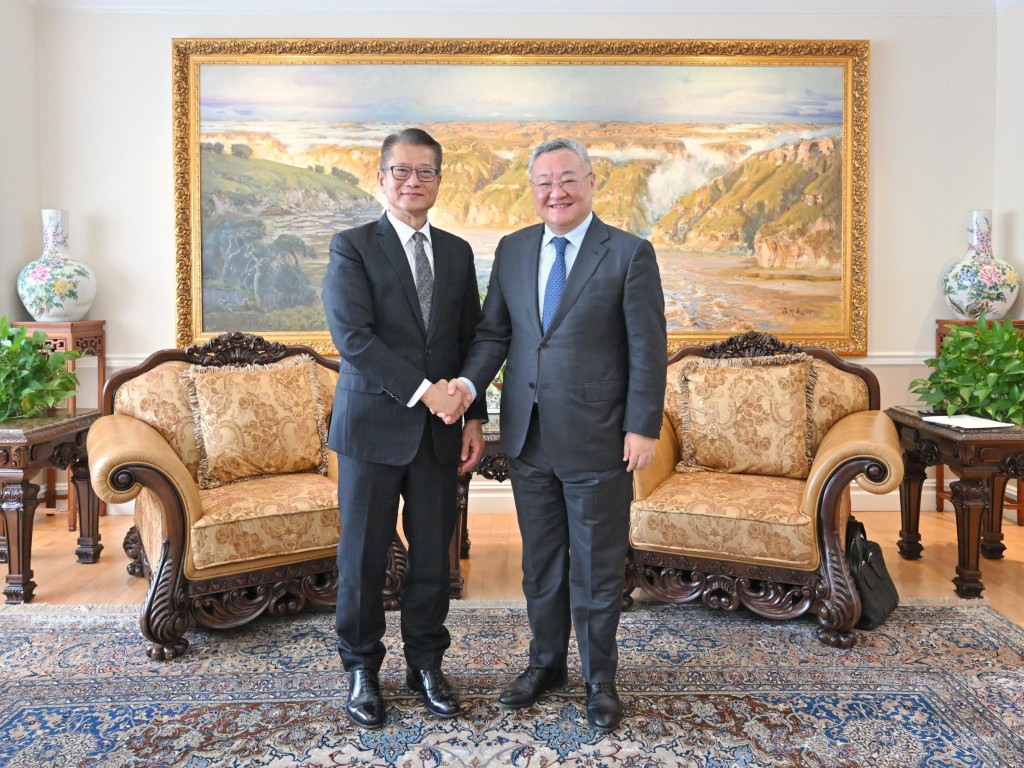
The finance chief also visited the United Nations (UN) and met the Permanent Representative of China to the UN, Ambassador Fu Cong. He expressed his gratitude for the support from Beijing in facilitating the participation of young Hong Kong civil servants in the UN Junior Professional Officer Program, which allows them to work within the UN system as Chinese nationals.
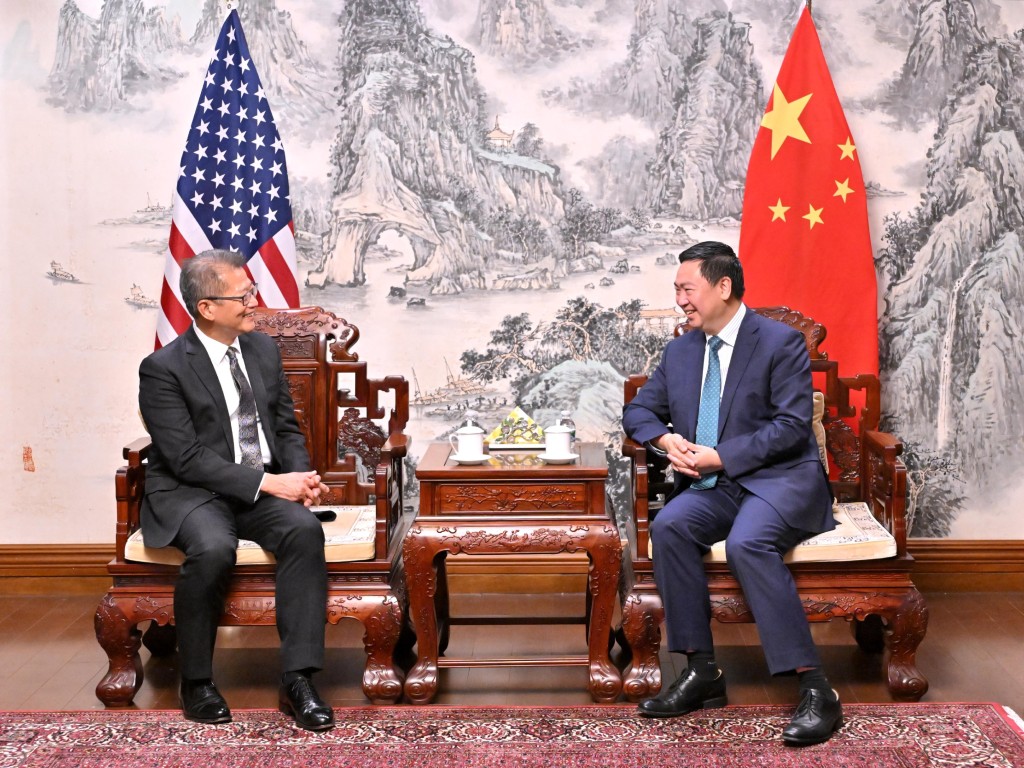
He then have a meeting with Chen Li, the Consul-General of the China in New York, to exchange views on China-US relations and Hong Kong's development.
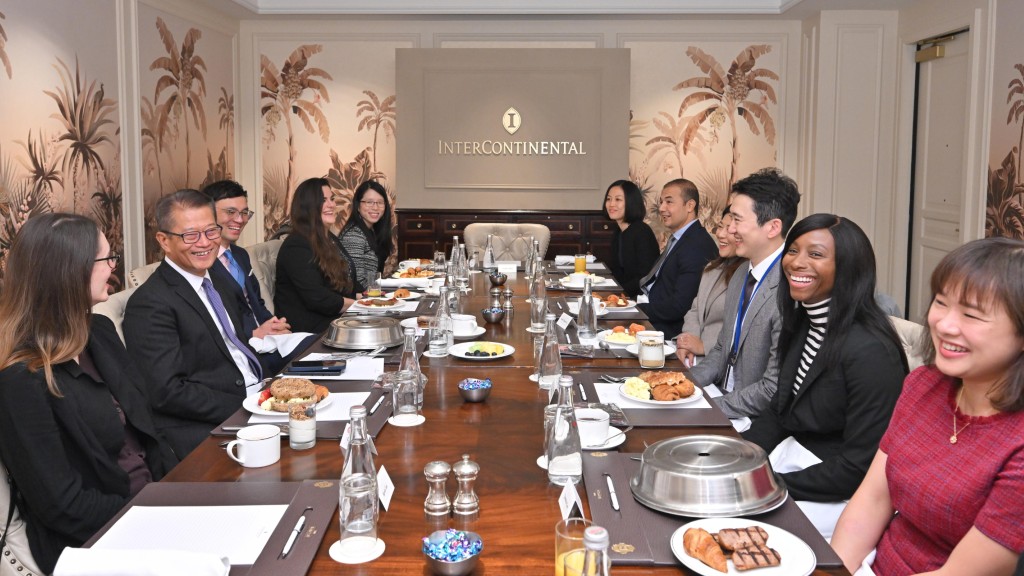
During a roundtable discussion with key US funds and asset management representatives, Chan presented Hong Kong's economic and financial outlook while highlighting opportunities in the financial market, including initial public offerings and follow-on fund raising, fixed income and currency markets, private equity, asset and wealth management, green finance, stablecoins and digital assets.
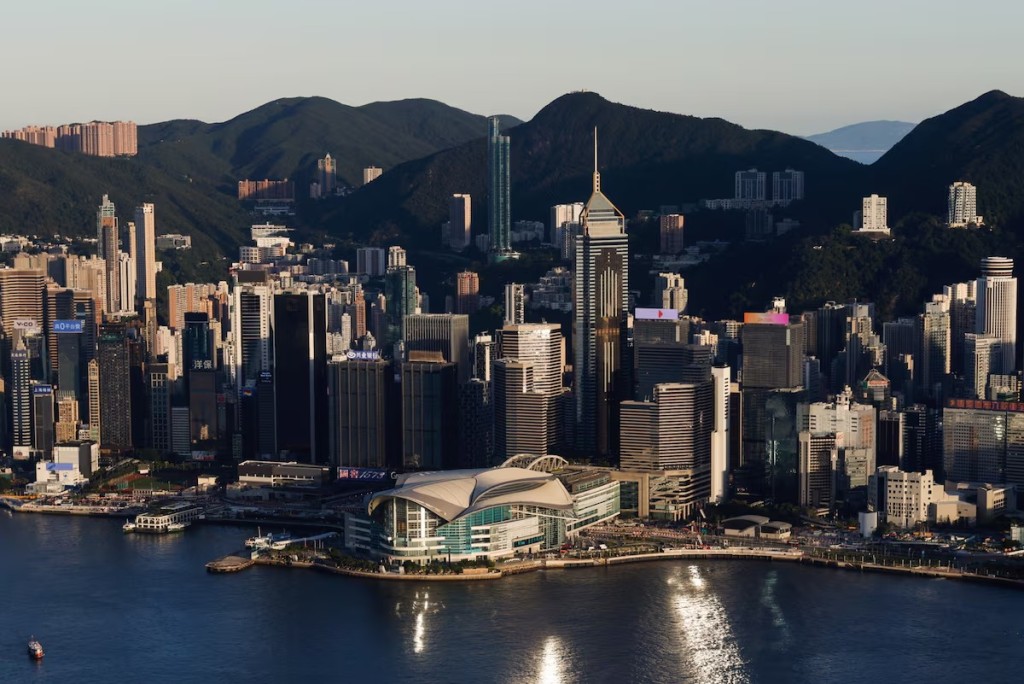
He pointed out that Hong Kong's asset markets are showing an encouraging momentum. The stock market has seen a significant upturn, driven by investors' confidence in China's technological development and increased capital allocations.
He added that the residential property market is showing signs of stabilization.