The Hong Kong Jockey Club has canceled Wednesday night’s meeting at Happy Valley due to the approach of Super Typhoon Ragasa, less than 24 hours after abandoning the final two races at Sha Tin when torrential rain left part of the track unsafe.
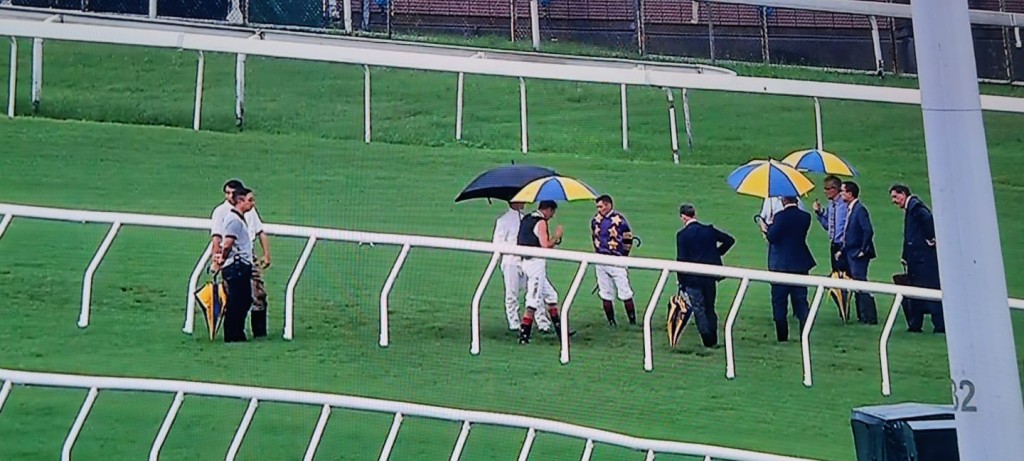
More than 140 millimetres of rain fell from 3am on Sunday morning, with officials describing the downpour during the meeting as “unprecedented.” After race seven, two jockeys reported concerns about a patch of ground at the 550-metre mark on the turn into the straight — a crucial point in the race. Senior riders Zac Purton, Hugh Bowman and Alexis Badel inspected the surface alongside stipendiary stewards and track staff, before all agreed it was unsafe to continue.
HKJC chief executive Winfried Engelbrecht-Bresges said safety was paramount in both decisions.
“Commercial aspects are not the key consideration. It is the safety. And with additional races we will have later, it’s probably a delay of the income, not an abandonment,” Engelbrecht-Bresges said. “So if you look at the overall picture, the turnover will be a loss of 300 million. So it will be a tax loss of 30 million for the government for now. We should be able to recover that loss. Safety comes first and I want to thank our track staff. They are very disappointed but they did an amazing job and I want to compliment them on what they have done under really very difficult circumstances. They have the track in such a good condition, but even they cannot stop the rain.”
Sunday’s abandoned Class Two and Class Three races — usually among the highest-turnover contests on the card — will be re-scheduled to next Sunday at Sha Tin. The postponed Happy Valley meeting will be run later in the season, either in June or mid-July.
Engelbrecht-Bresges stressed that the Sha Tin issue was related to drainage and not the quality of the surface, and expressed cautious optimism about the track’s recovery.
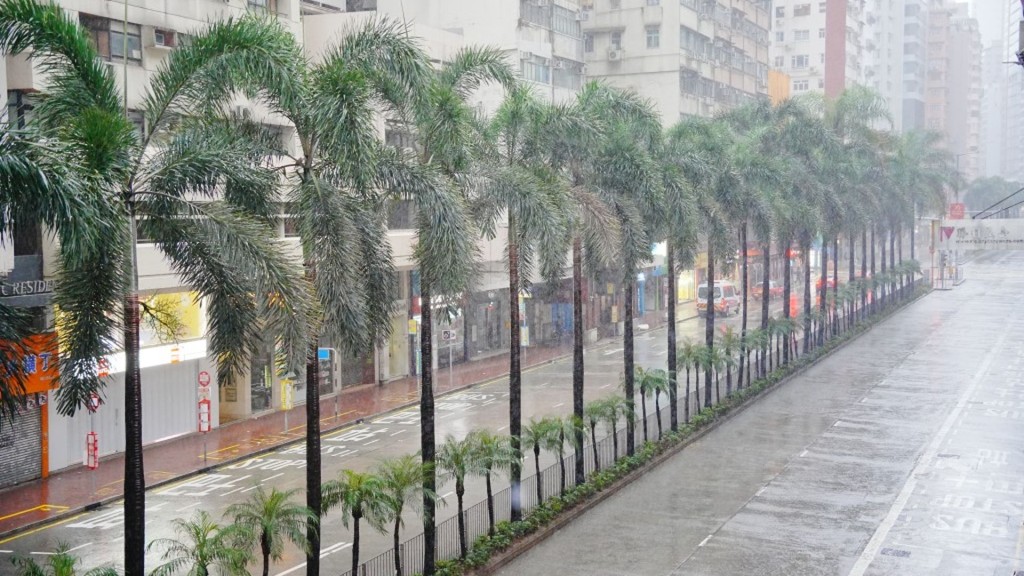
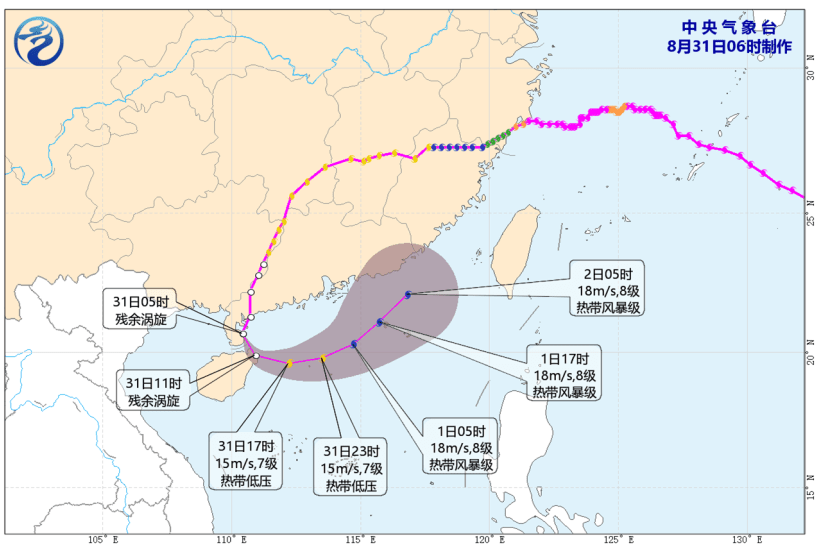
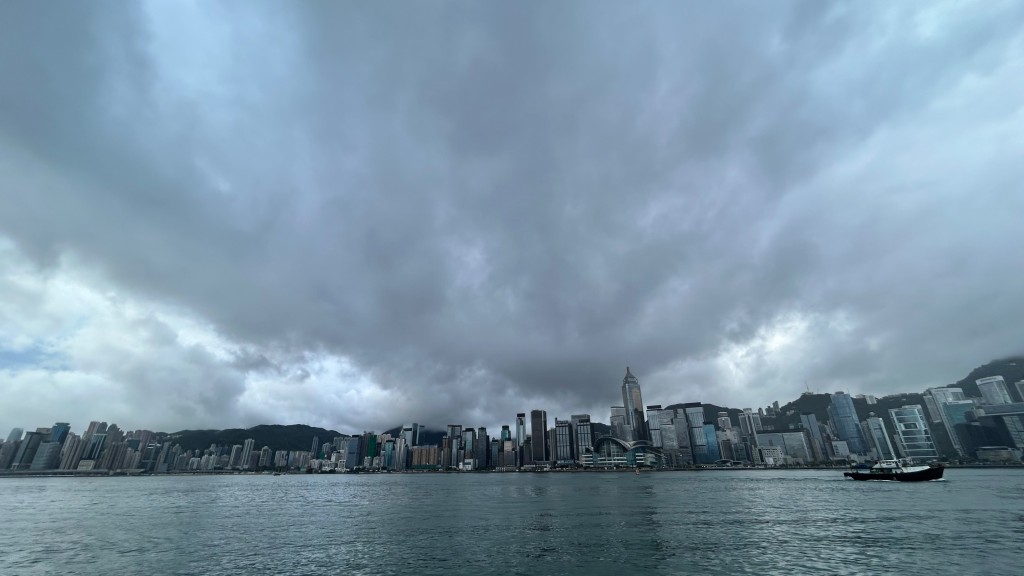
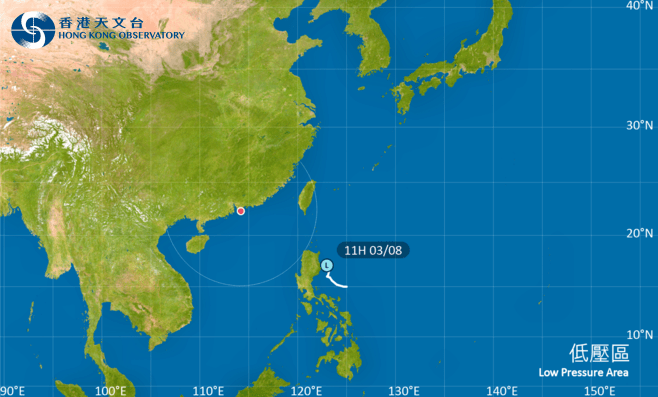
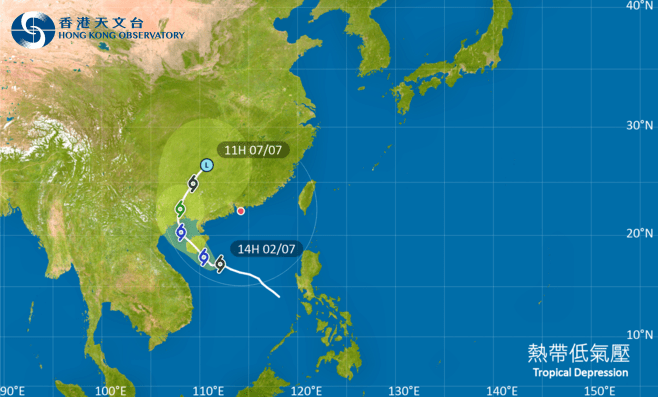
Super Typhoon Ragasa is forecast to bring hurricane-force winds and heavy rain to Hong Kong by Wednesday morning. Officials said it was better to make an early decision to give staff time to secure facilities and ensure the welfare of horses, riders and racegoers.