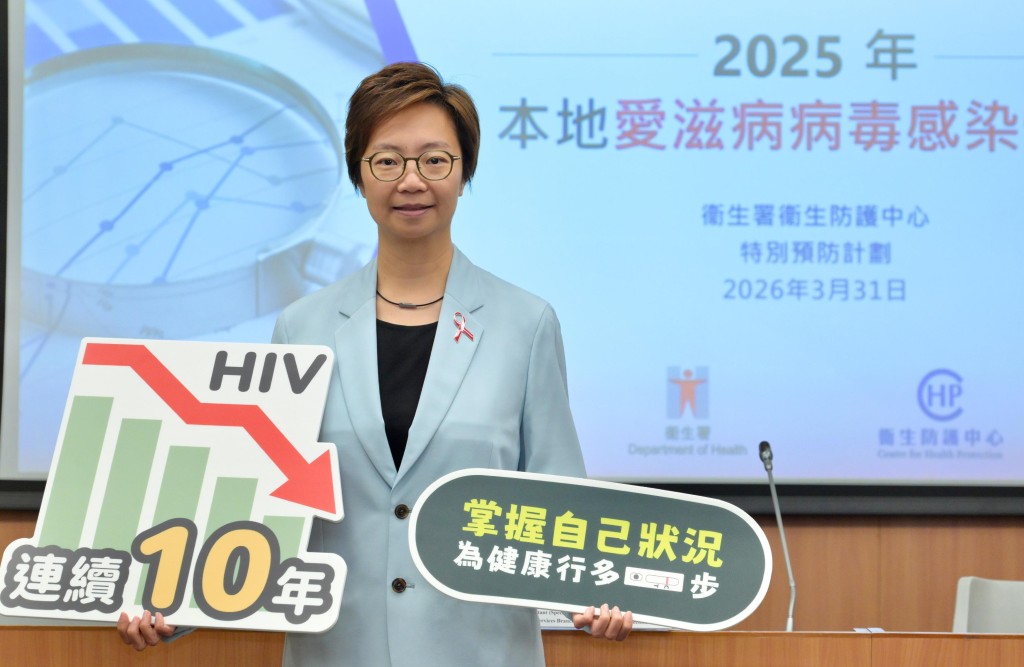
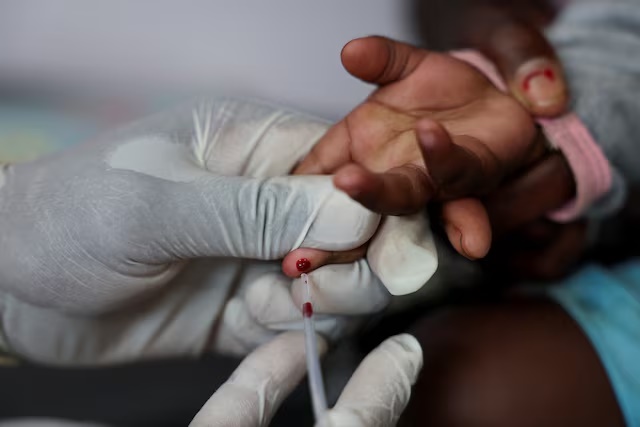
The Centre for Health Protection (CHP) has announced a significant public health milestone, reporting that new cases of Human Immunodeficiency Virus (HIV) have declined for the tenth consecutive year.
However, officials are raising concerns about the high proportion of individuals being diagnosed at a late stage, which poses significant risks to both patient health and community transmission.
In its latest report released today, the CHP announced that 331 new HIV cases comprise 258 males and 73 females aged between 6 and 76.
Among the cases with a reported route of transmission, 279 cases, accounting for 99 percent, acquired the infection through sexual contact, including 158 through homosexual or bisexual contact and 121 through heterosexual contact.
The cumulative total of locally reported HIV infections since 1984 is 12,734.
In the same period, 86 new AIDS cases were reported, comprising 61 males and 25 females.
The cumulative total of confirmed AIDS cases in Hong Kong since 1985 now stands at 2,643, with Pneumocystis pneumonia being the most commonly diagnosed AIDS-defining illness.
"The prevalence of HIV infection in Hong Kong has remained far below the global average, accounting for 1 in 1,000 of the adult population. The number of new HIV infections has declined for 10 consecutive years since the peak in 2015, when over 700 new cases were reported, representing a more than 50 percent drop," Consultant (Special Preventive Programme) of the Public Health Services Branch of the CHP, Dr. Bonnie Wong Chun-kwan, said.
She attributed the sustained decline in new infections to the collaborative and persistent efforts of the government, the healthcare sector, and non-governmental organizations over many years.
Nevertheless, the proportion of late presenters among the newly reported cases in Hong Kong has remained high at about 50 percent in recent years.
Among non-high-risk groups, this figure is even higher, reaching 60 to 70 percent. This situation warrants attention, she added.
"Late presentation can lead to an increased risk of opportunistic infections and malignancies, leading to a tenfold increase in mortality rate when compared with other people infected with HIV. In addition, as a result of an unsuppressed viral load, late presenters contribute to an increased risk of HIV transmission in the community,” Wong said.