For many Hong Kong consumers, yogurt has long been a daily staple—spooned over fruit in the morning, stirred into smoothies, or enjoyed as a light dessert. Increasingly, however, shoppers are also looking beyond traditional dairy, curious about plant-based yogurt as a gentler option for digestion, a way to reduce dairy intake, or simply to broaden everyday food choices.
ADVERTISEMENT
SCROLL TO CONTINUE WITH CONTENT
Free from lactose and often lighter on the stomach, plant-based yogurt has become an accessible starting point for those exploring more flexible, balanced diets without making radical lifestyle changes.
It is against this backdrop that Australia-based soy food producer King International has brought its Kingland Dairy Free Yogurt range to Hong Kong, marking the brand’s first major entry into the city’s retail market.
The products are now available at selected supermarkets including Oliver’s The Delicatessen, Market Place, 3hreeSixty and Wellcome, arriving just as many households are rethinking food habits in the new year.
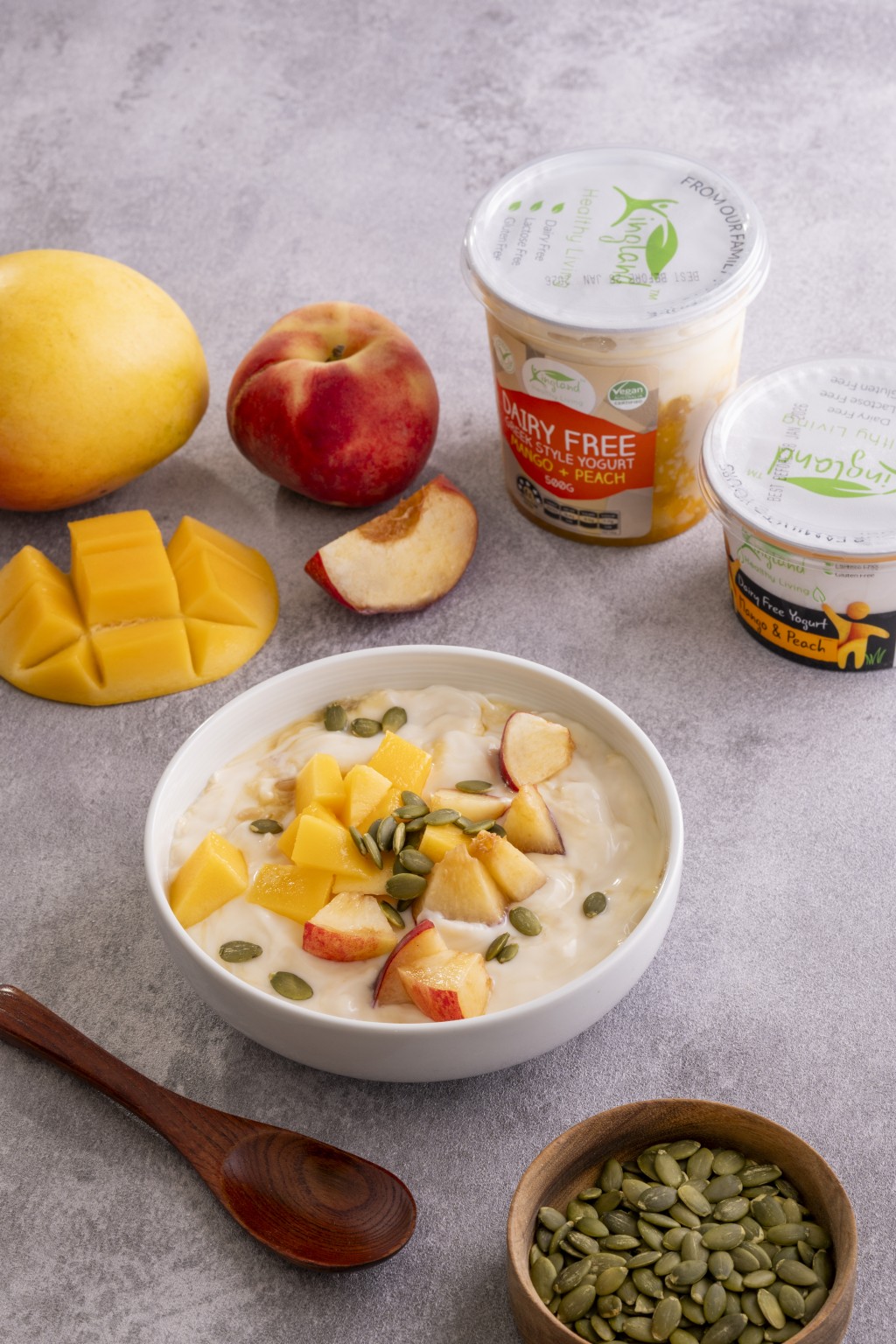
Made from 100 percent Australian-grown, non-GMO soybeans, Kingland’s dairy-free yogurt is positioned as a familiar alternative rather than a niche substitute. The texture is deliberately creamy and comforting, echoing conventional yogurt while remaining free of dairy, lactose, cholesterol and gluten. Each variety contains live probiotics and is fortified with calcium, meeting Food Standards Australia New Zealand requirements to be labeled as a calcium source.
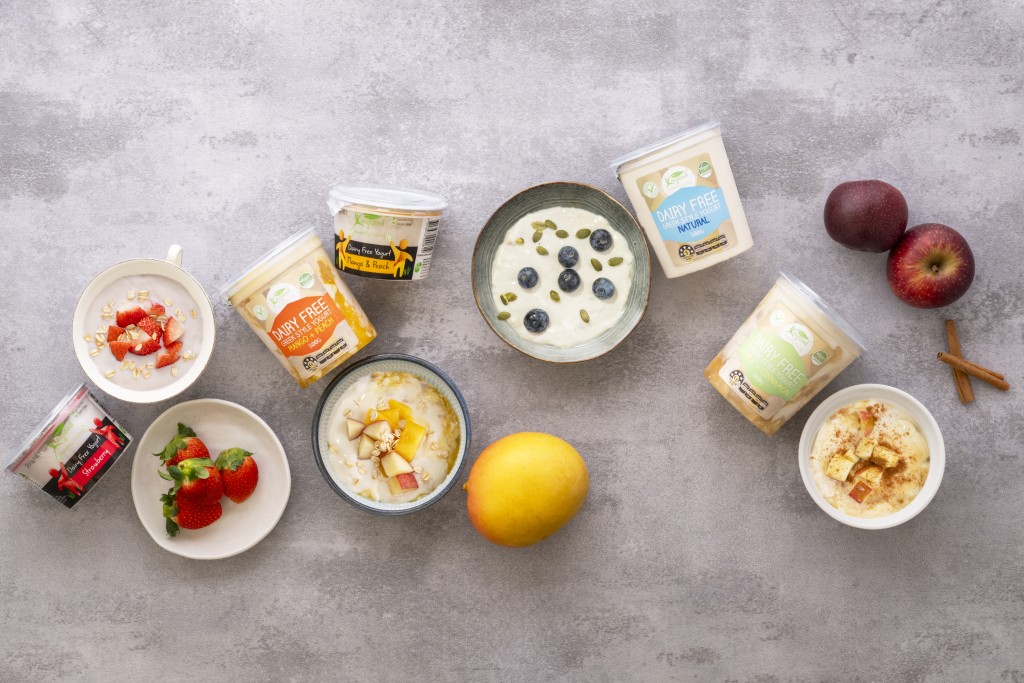
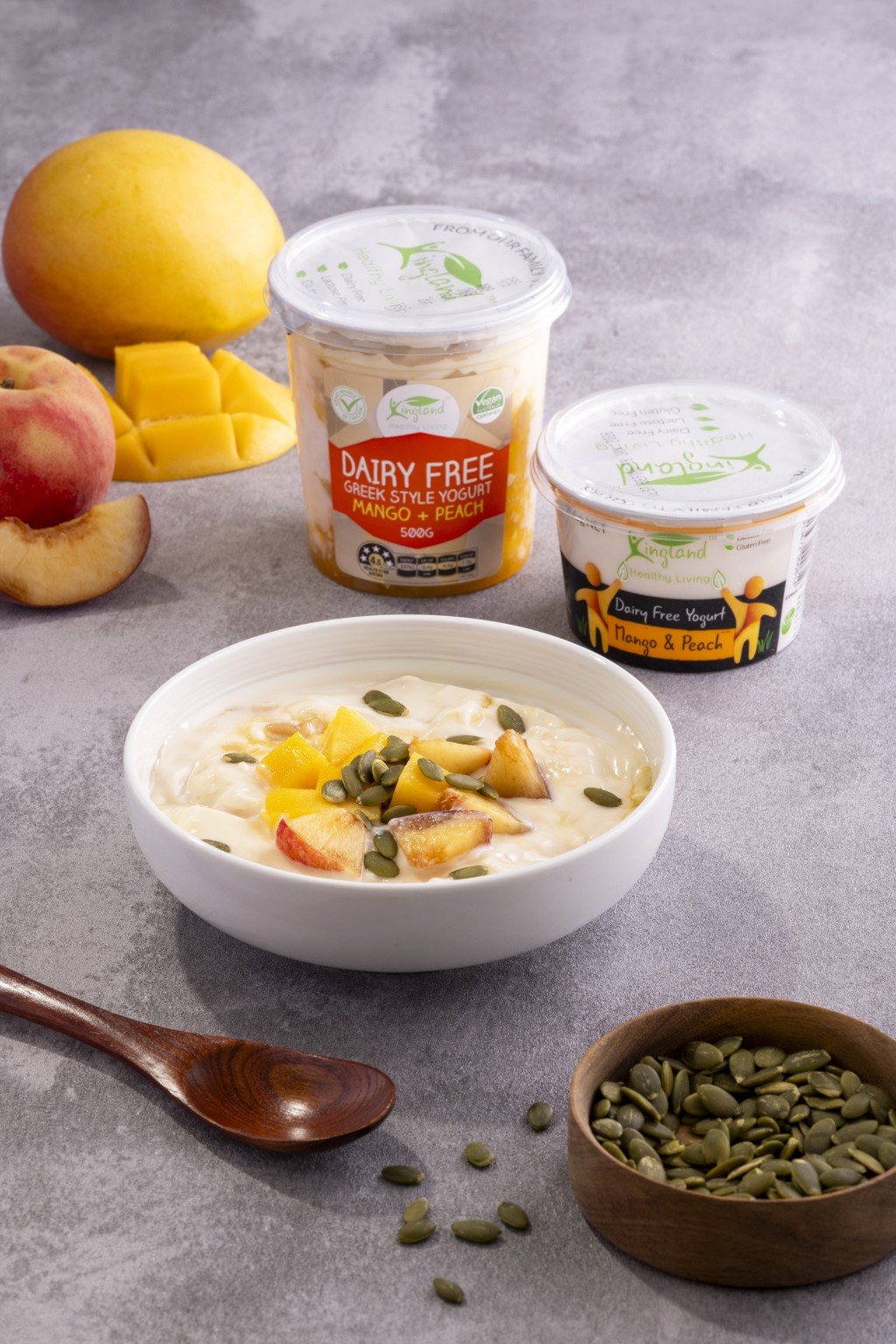
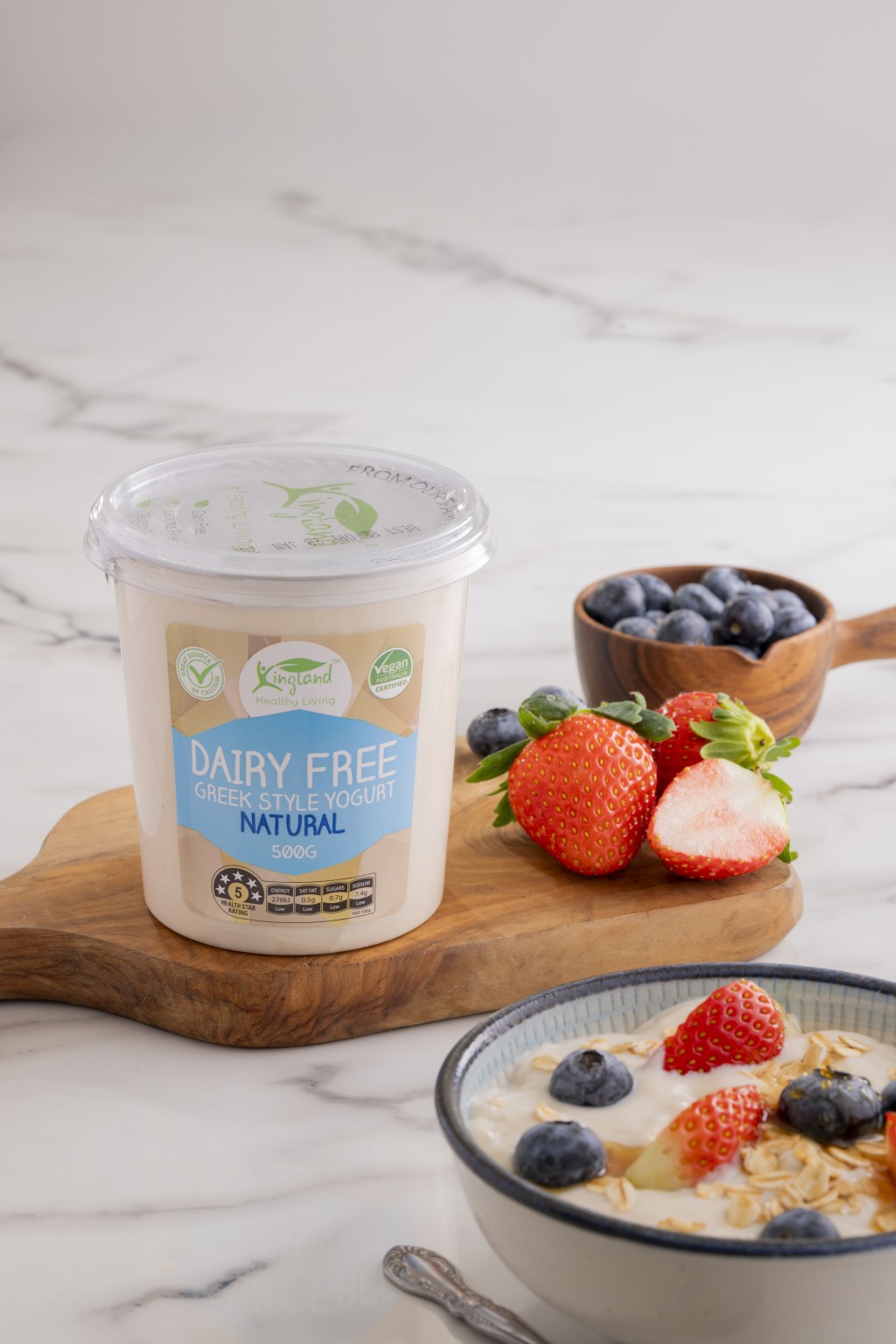
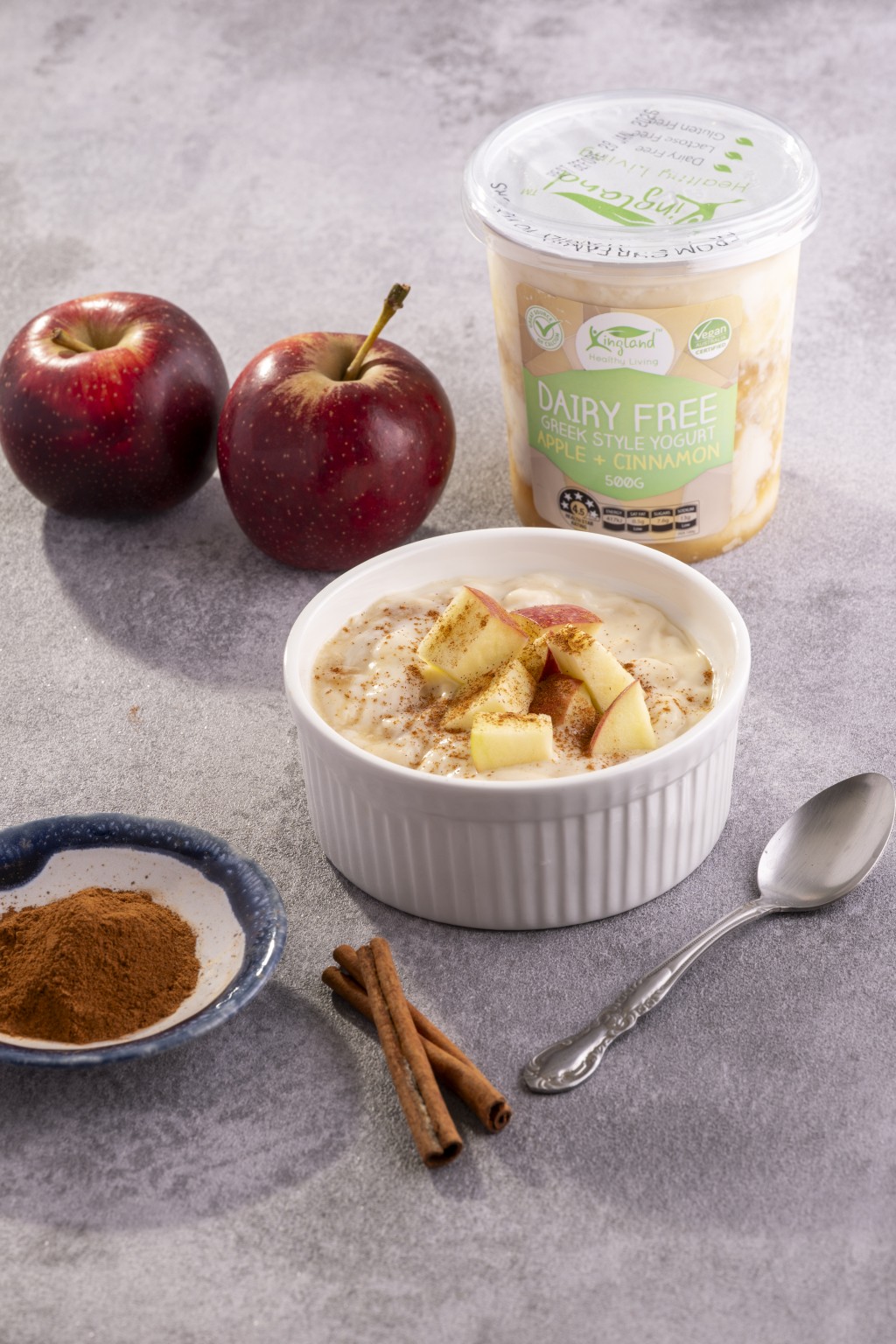
The range comes in two styles designed for everyday consumption. The Greek-style yogurt, sold in 500-gram tubs, is thicker and denser, suited to breakfast bowls or baking, with flavors such as Mango & Peach, Apple Cinnamon and Natural.
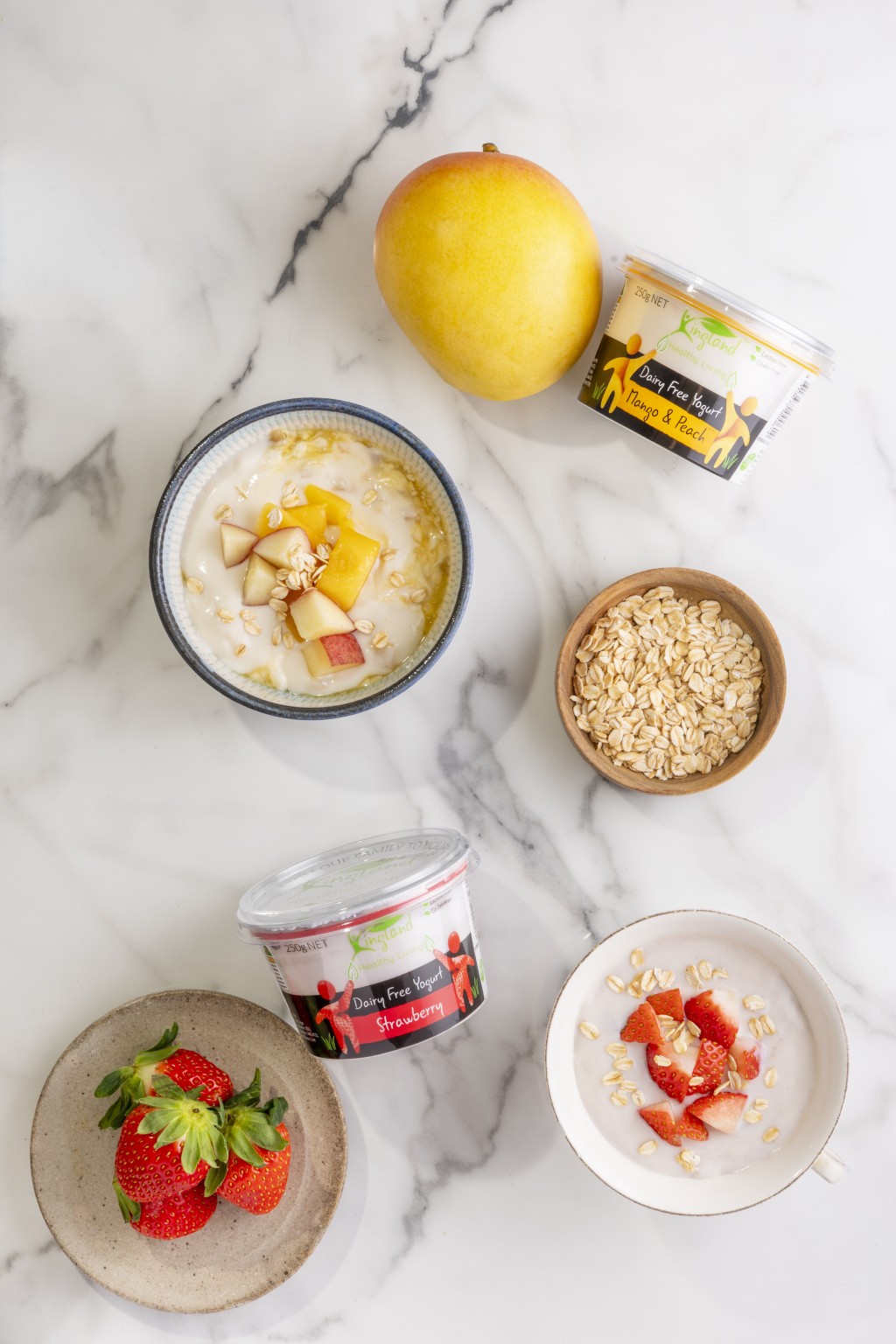
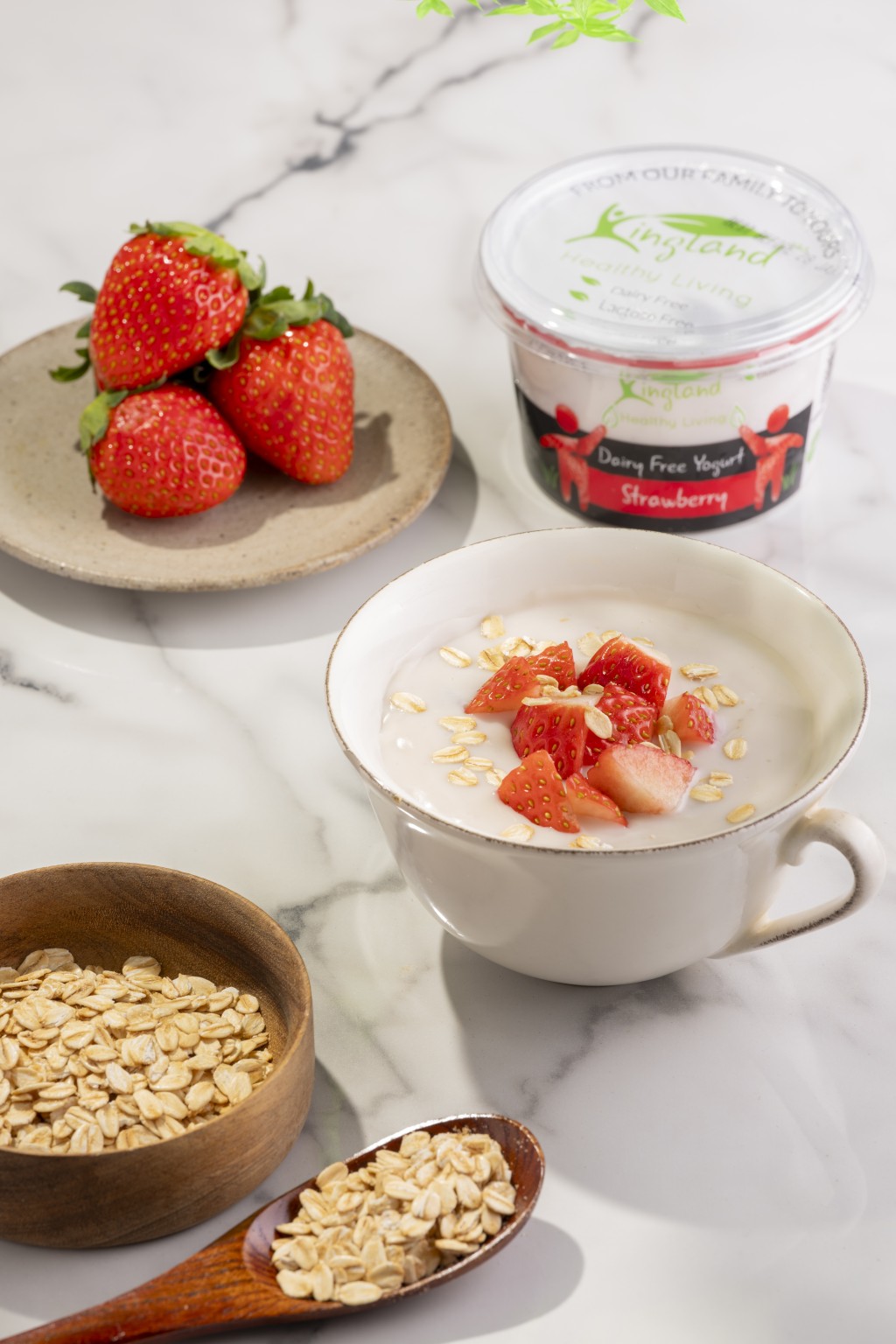
The fruit yogurt line, offered in 250-gram cups, has a lighter profile with real fruit blended in, including Mango & Peach and Strawberry—an easy grab-and-go option for workdays or school lunches.
+1
Each product carries a minimum 4.5 Health Star Rating under the Australian and New Zealand government system, reflecting a balance between nutrition and ingredient transparency. For many consumers, such labeling offers reassurance when trying something new, especially when shopping for children or elderly family members.
Beyond nutrition, sustainability is another reason plant-based yogurt is gaining quiet traction. Compared with conventional dairy yogurt, soy-based production typically requires significantly less water and land, while producing far lower greenhouse gas emissions.
King International says its soy yogurt production generates up to 70 percent fewer emissions and eliminates methane output altogether—an environmental consideration that resonates with Hong Kong shoppers increasingly attentive to the footprint behind everyday groceries.
The brand itself traces its roots back to Queensland in 1987, when founders Eric and Rachel Hsu began making hand-pressed tofu for local stores. Over nearly four decades, that small family operation has grown into a producer supplying plant-based foods across Australasia and the Asia-Pacific region, guided by a philosophy of nourishment that balances tradition with modern dietary needs.
“Hong Kong is a vibrant city where tradition meets modernity, and we are delighted to bring our dairy-free yogurt to this market,” said Eric Hsu, co-founder and managing director of King International. “Our products are designed to deliver indulgence without compromise—nutritious, sustainable and inclusive for all lifestyles.”
While Kingland’s arrival adds another option to Hong Kong’s expanding plant-based shelves, the broader story is less about a single product and more about changing habits.