A recent incident involving mainland-based ride-hailing platform Amap has exposed regulatory gaps in Hong Kong's private car services.
Passenger Terry's alarming experience with an unlicensed driver has reignited debates about passenger safety and platform accountability.
Suspicious journey raises red flags
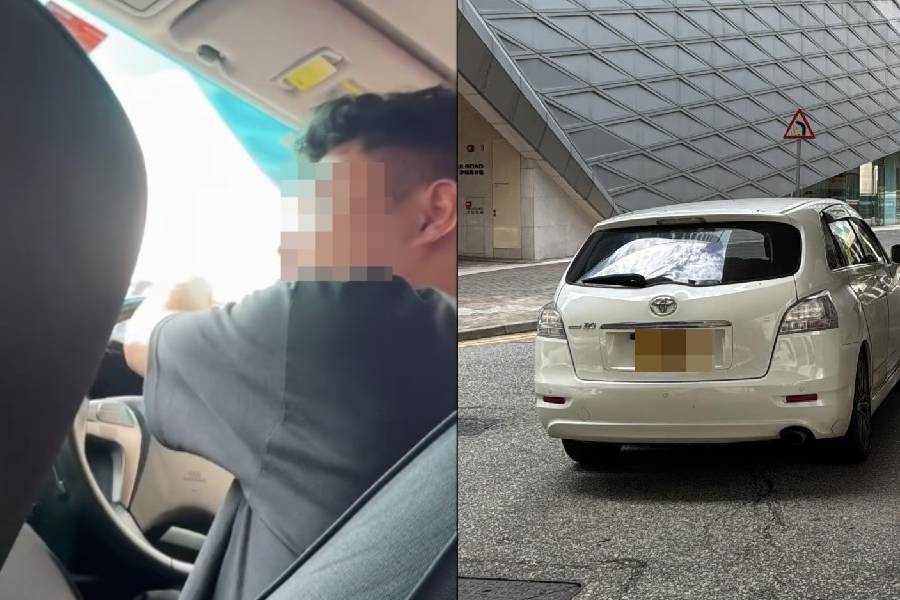
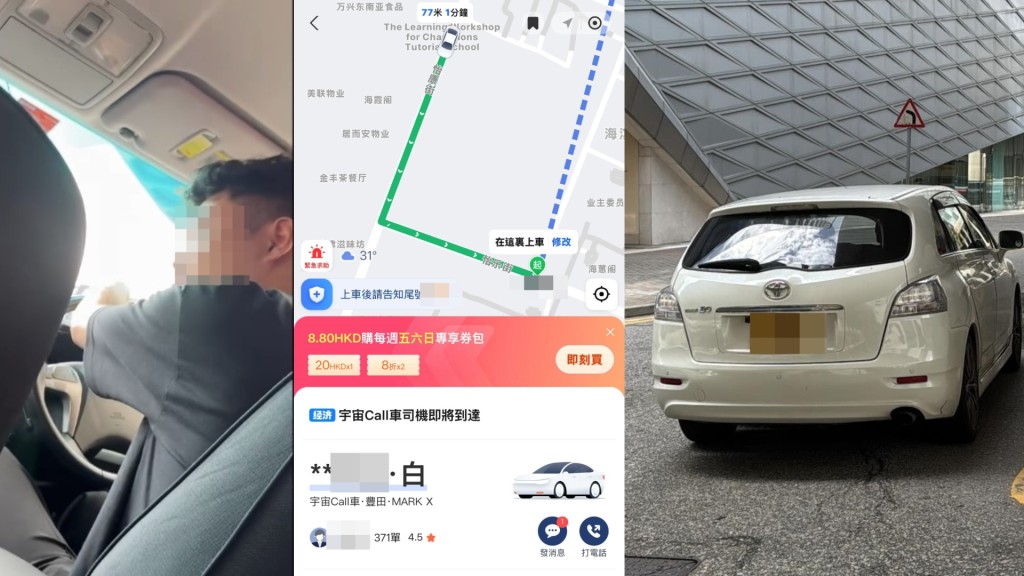
During his Monday (Aug 11) trip booked through AlipayHK, Terry immediately noticed something amiss when the driver failed to respond to his Cantonese greeting.
The Mandarin-speaking driver displayed unfamiliarity with local roads, making frequent navigation errors while driving unusually slowly.
When questioned, the driver admitted the vehicle belonged to his "boss" and shockingly revealed he lacked a Hong Kong identity card.
Terry reported the incident to police, telling Sing Tao Daily, The Standard's sister publication, that while the driving itself was adequate, stated that transporting passengers without proper documentation constituted both a legal violation and a safety risk.
After initial hesitation, police contacted him for a formal statement on August 12 as they investigated the vehicle's license.
Platform under scrutiny
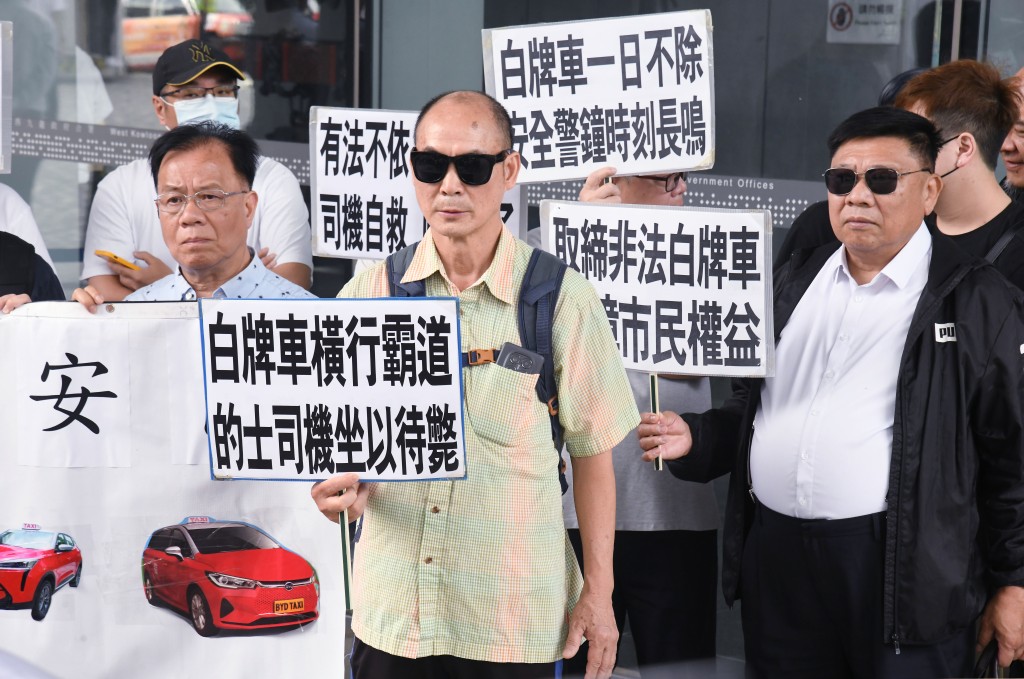
This incident follows Amap's controversial February expansion into private car services, which drew strong objections from Hong Kong's taxi industry.
The mainland platform, which initially offered only taxi-hailing services, now faces growing scrutiny over its compliance with local regulations.
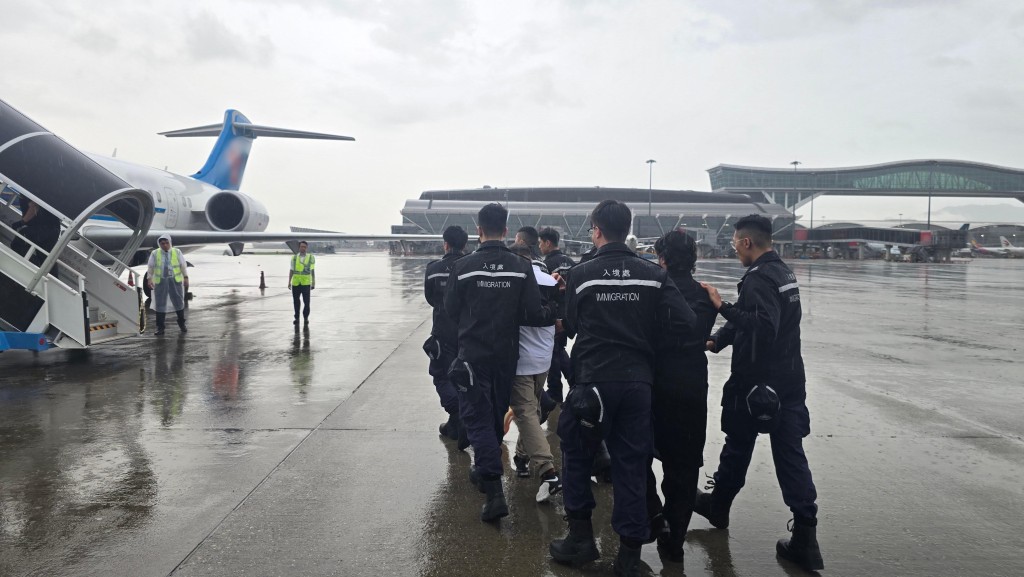
The case echoes previous violations where drivers operated illegally using travel permits.
Under Hong Kong's Immigration Ordinance, such unauthorized work carries penalties of up to HK$50,000 in fines and two years' imprisonment.
Terry emphasized his goal isn't compensation but systemic reform, noting that competitors like Uber demonstrate stronger safety protocols.
Calls for regulatory action
Transport Panel member Michael Luk Chung-hung has demanded urgent government intervention, stating these cases reveal dangerous overlaps between illegal ride-hailing and employment violations.
He criticized platforms for turning a blind eye to unlicensed operations and urged authorities to consider violation records when evaluating future license applications.
Luk's proposals include implementing stricter driver verification processes, cracking down on unlicensed vehicles, and holding platforms accountable for ensuring all drivers meet legal requirements.