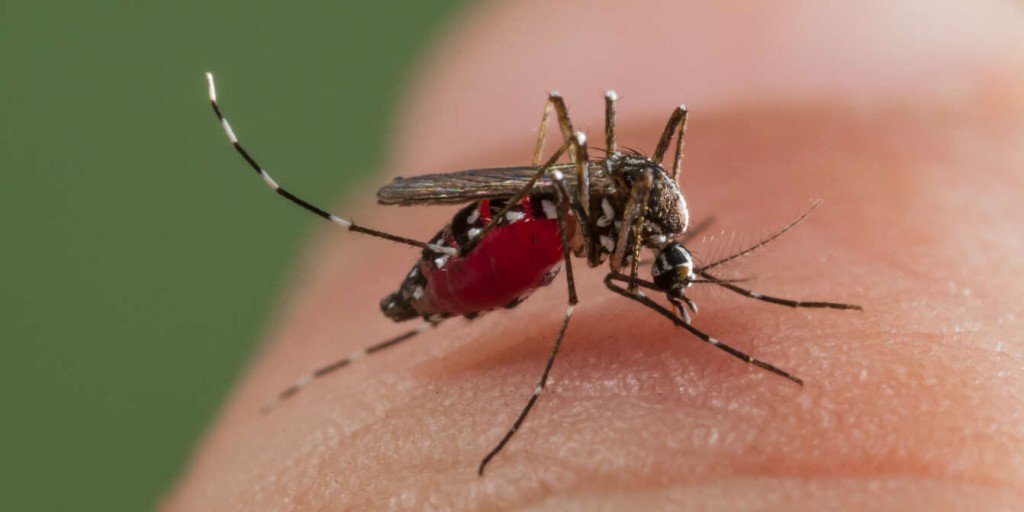
Hong Kong has recorded three new imported cases of chikungunya fever, bringing this year's total to four, with medical experts warning that infections are likely to increase steadily due to frequent cross-border travel and favorable conditions for disease-carrying mosquitoes.
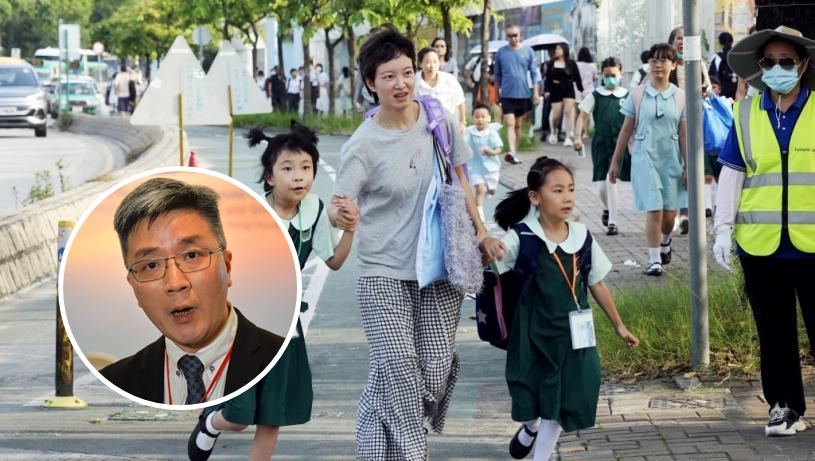
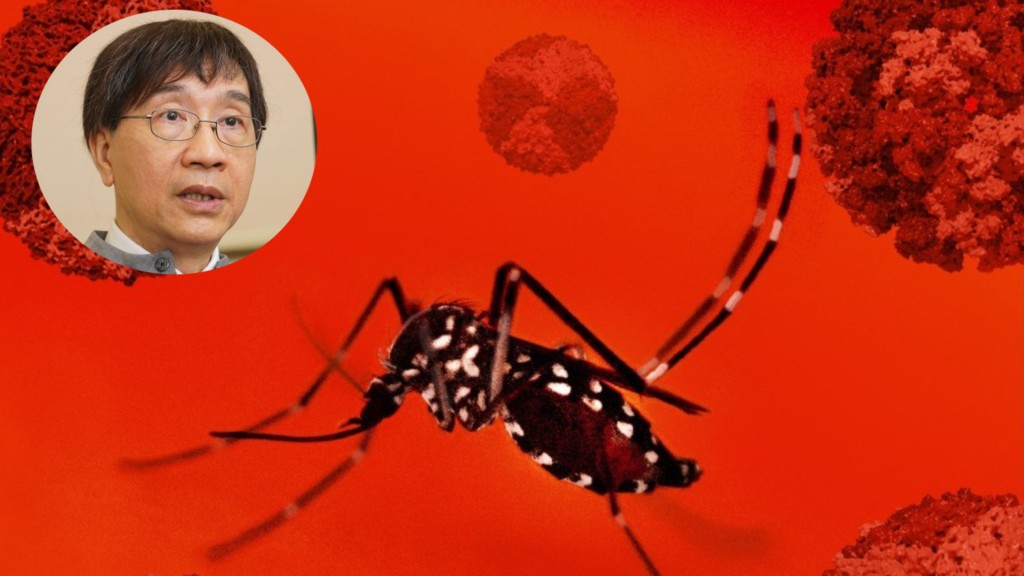
Tsang Kay-yan, co-chairman of the Medical Association's advisory committee on communicable diseases, told a radio program Thursday that the city must remain vigilant as Guangdong Province—where many Hong Kong residents live or visit—has reported a higher number of confirmed cases.
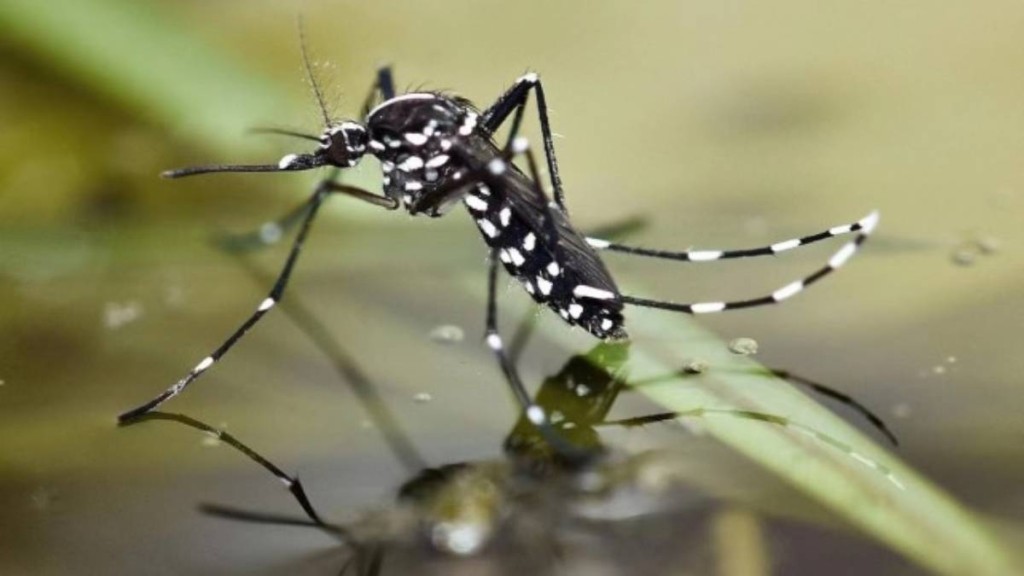
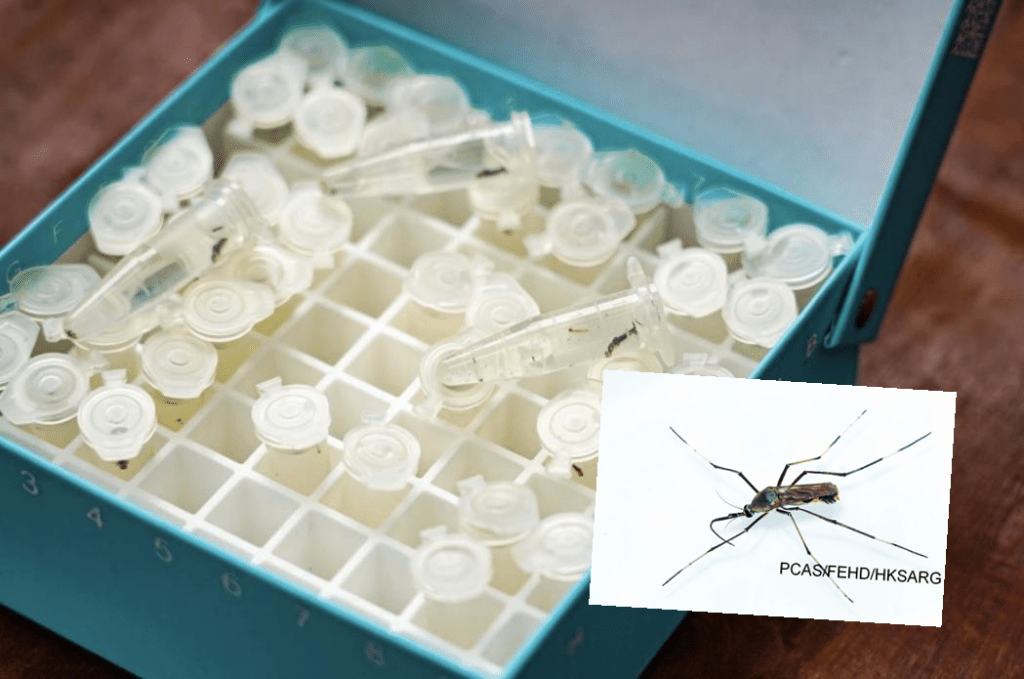
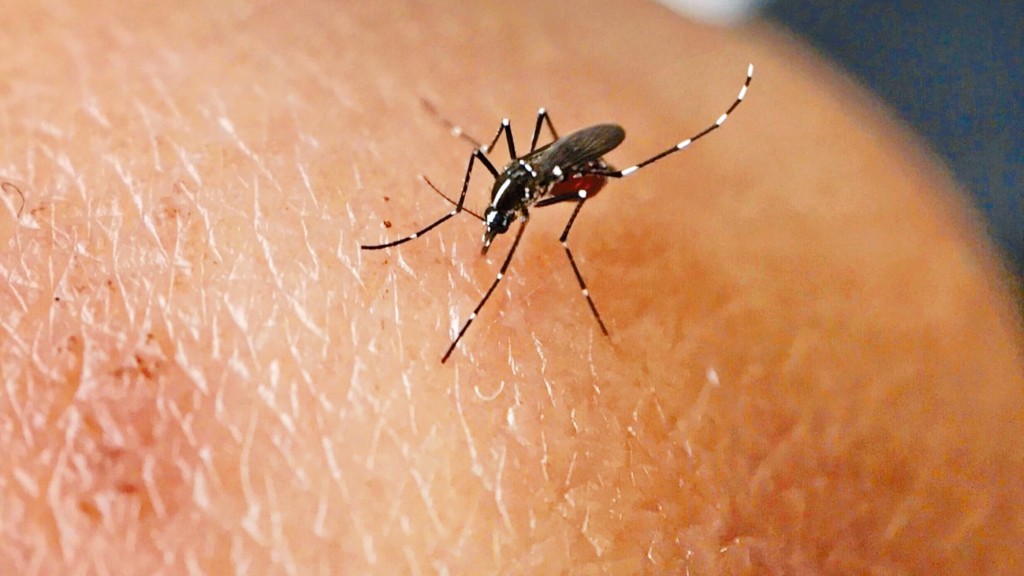
The presence of Aedes albopictus mosquitoes, a known vector for the virus, combined with recent typhoons and heavy rainfall creating stagnant water, has heightened the risk of local transmission, he said.
While current cases remain imported, Tsang cautioned that whether the disease becomes endemic depends on the effectiveness of mosquito control efforts and early detection of infections.
He noted that about 35 percent of chikungunya patients experience mild or unnoticeable symptoms in the first week, potentially allowing the virus to spread undetected in communities.
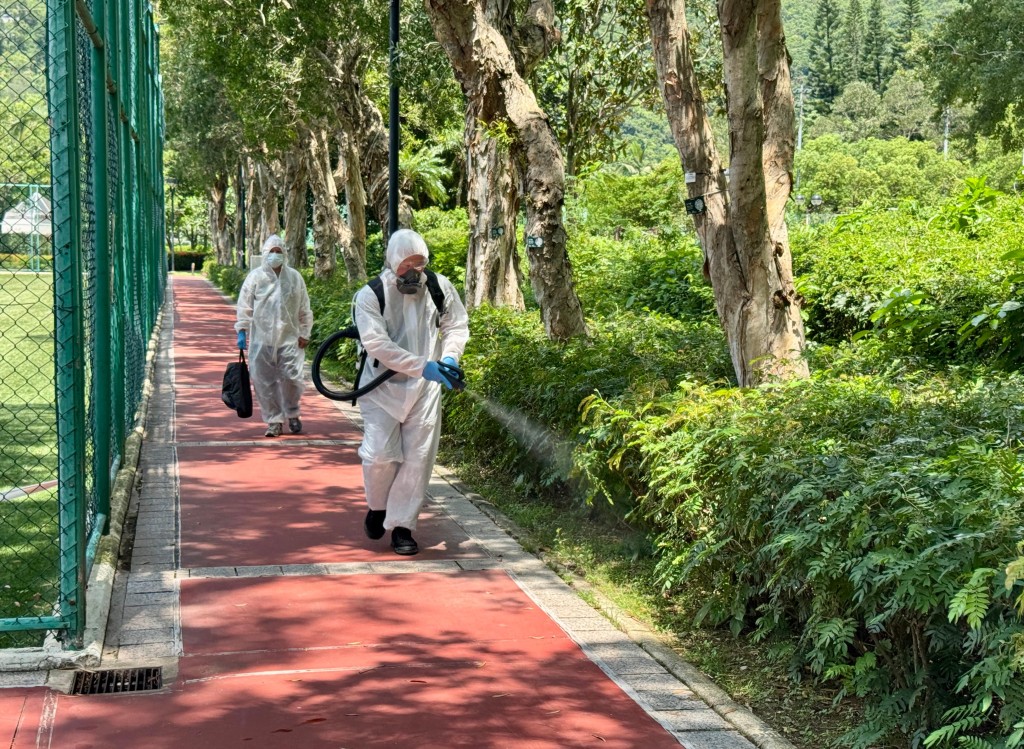
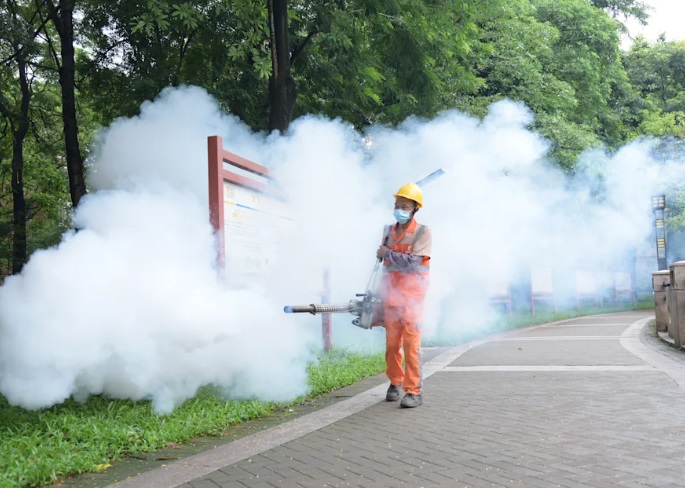
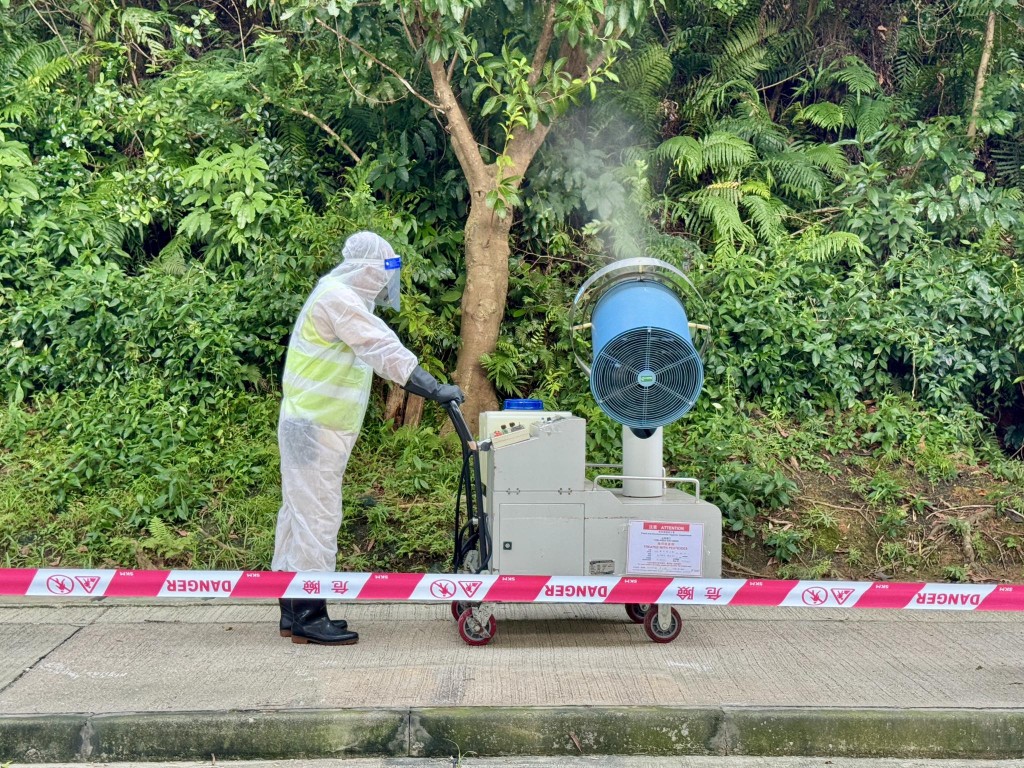
Authorities are conducting vector surveillance and targeted mosquito eradication, but the health expert urged the public to also take precautions, including wearing long sleeves and pants during peak mosquito activity hours such as dawn and dusk, and using insect repellent for two weeks after returning from high-risk areas.
Symptoms such as sudden fever, rash, and joint pain should prompt immediate medical attention to prevent complications like chronic arthritis, he added.
(Marco Lam)