Health authorities in Hong Kong are stepping up mosquito control measures following a chikungunya fever outbreak in Shunde, Guangdong, as experts warn the city could see imported cases due to frequent cross-border travel.
The interdepartmental Pest Control Steering Committee met on Thursday to assess the mosquito situation and discuss prevention strategies.
The Food and Environmental Hygiene Department (FEHD) reported that the monthly mosquito ovitrap index has dropped to 9.5 percent this year, significantly lower than previous years, though some areas like Ma Wan remain high-risk zones.
Dual threat from mosquitoes
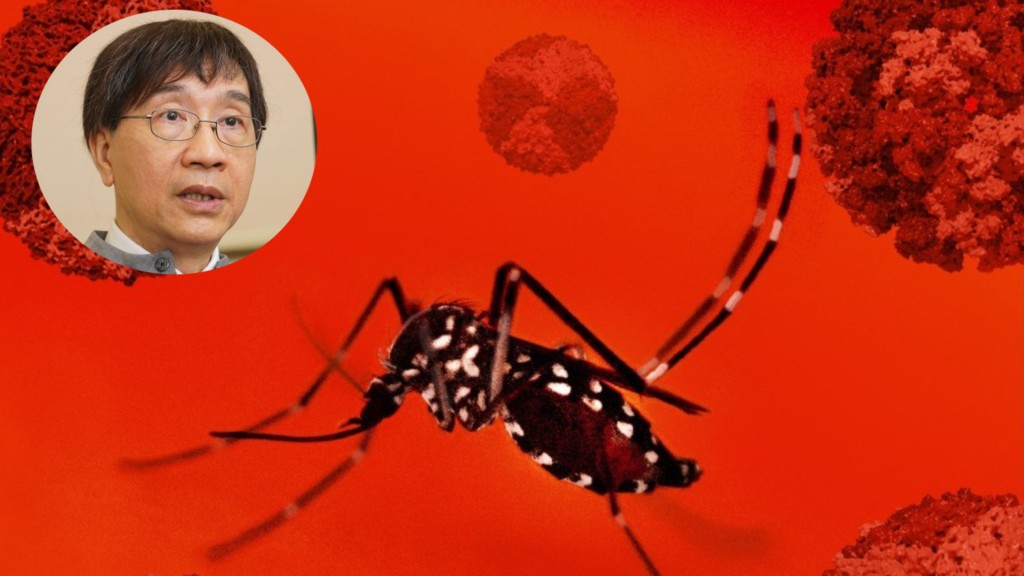
FEHD's pest control officer Lee Ming-wai noted that the Asian tiger mosquito, common in Hong Kong, can transmit both chikungunya and dengue fever.
The city's annual anti-mosquito campaign, involving over 20 government departments, began in March to eliminate breeding sites before the rainy season.
Long-term health impacts
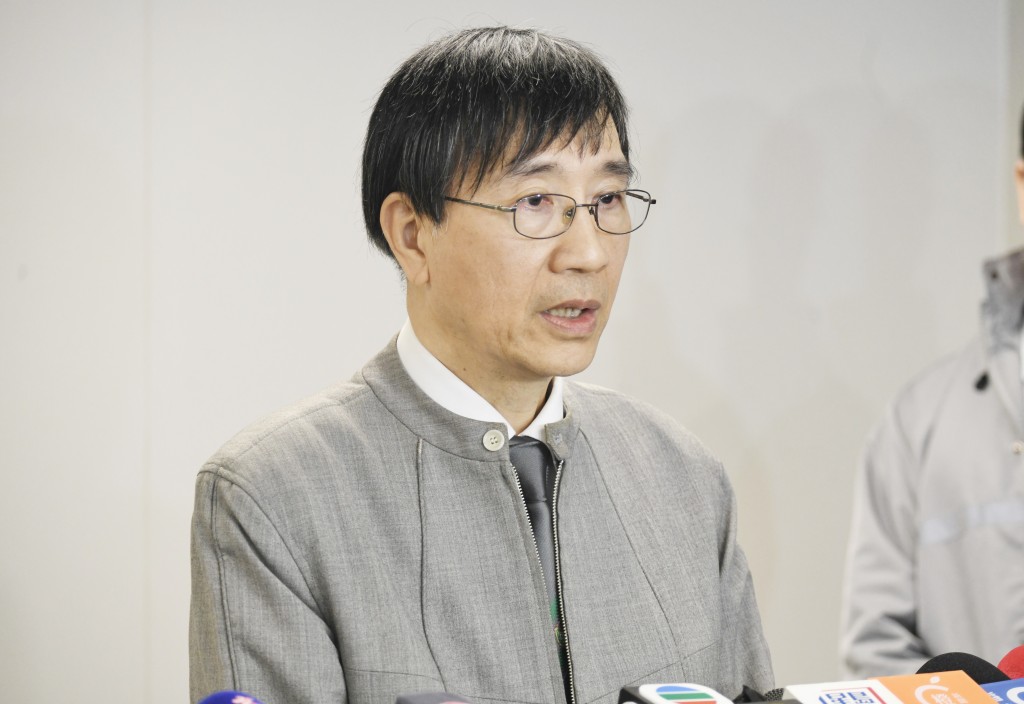
The city’s top microbiologist Yuen Kwok-yung warned that while chikungunya has a lower mortality rate than seasonal flu, it can cause severe joint pain lasting months to years in 40 percent of patients, potentially leading to premature arthritis.
Elderly and chronically ill patients may also face cardiovascular complications, he said.
He urged mosquito prevention and immediate medical attention if fever develops within 14 days of travel to affected areas.
Distinguishing the diseases
Meanwhile, infectious disease expert Joseph Tsang Kay-yan explained key differences: chikungunya causes severe joint pain in small joints, while dengue leads to bone pain and pinpoint bleeding rashes. Dengue carries higher risks of severe complications like shock syndrome.
With frequent cross-border travel and Hong Kong's established mosquito population, experts say local transmission remains a concern if imported cases emerge.
Authorities have designated chikungunya as a notifiable disease and will intensify cleaning around affected areas should cases appear.
Separately, the Centre for Health Protection (CHP) has issued a letter to all doctors and hospitals in Hong Kong to provide them with the latest epidemiological information and urge them to watch out for chikungunya fever-related symptoms among those who return to the city from outbound travel.
If chikungunya fever cases are detected, they should be immediately referred to hospitals for treatment and reported to the Department of Health in order to initiate epidemiological investigations and implement prevention and control measures.
The Hospital Authority (HA) has reminded healthcare professionals to be vigilant in early identification of patients for timely diagnosis and management. Once a suspected case is detected, the HA will activate the surveillance and notification mechanism and report the case to the CHP immediately.
(Marco Lam and Anson Luk)