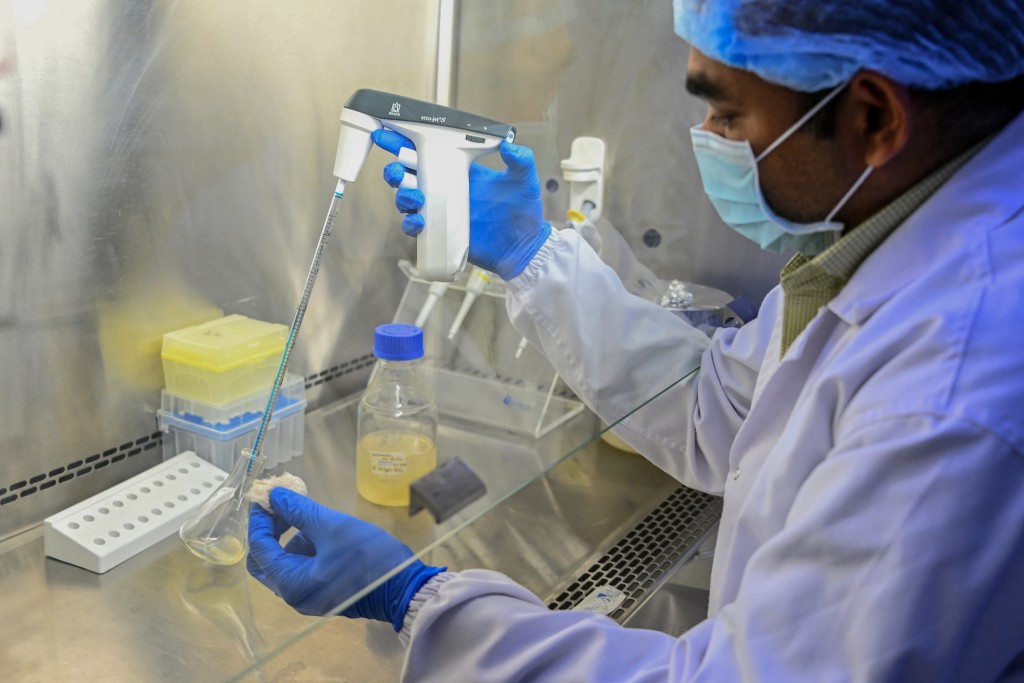
Top microbiologist Ho Pak-leung has raised concerns over the accuracy of commercially available rapid test kits for chikungunya fever, as none have undergone rigorous scientific validation for clinical use.
His comments came as rapid diagnostic kits for the mosquito-borne disease were spotted available for sale in the territory.
The health expert warned on a radio program on Tuesday that unreliable test results could delay proper treatment and potentially lead to local transmission.
Top microbiologist Ho Pak-leung has warned against unverified chikungunya rapid tests. (File)
Ho emphasized that rapid diagnostic kits should undergo thorough evaluation, including third-party testing, before being marketed. He urged authorities to tighten regulations, suggesting that the Department of Health establish a formal approval system for such tests.
The Centre for Health Protection (CHP) said yesterday that no internationally certified rapid test for chikungunya is currently available and advised the public against self-testing.
The manufacturer of the testing kits, upon contact by the CHP, confirmed that the product was not intended for public self-use, and local suppliers have been instructed to halt sales.
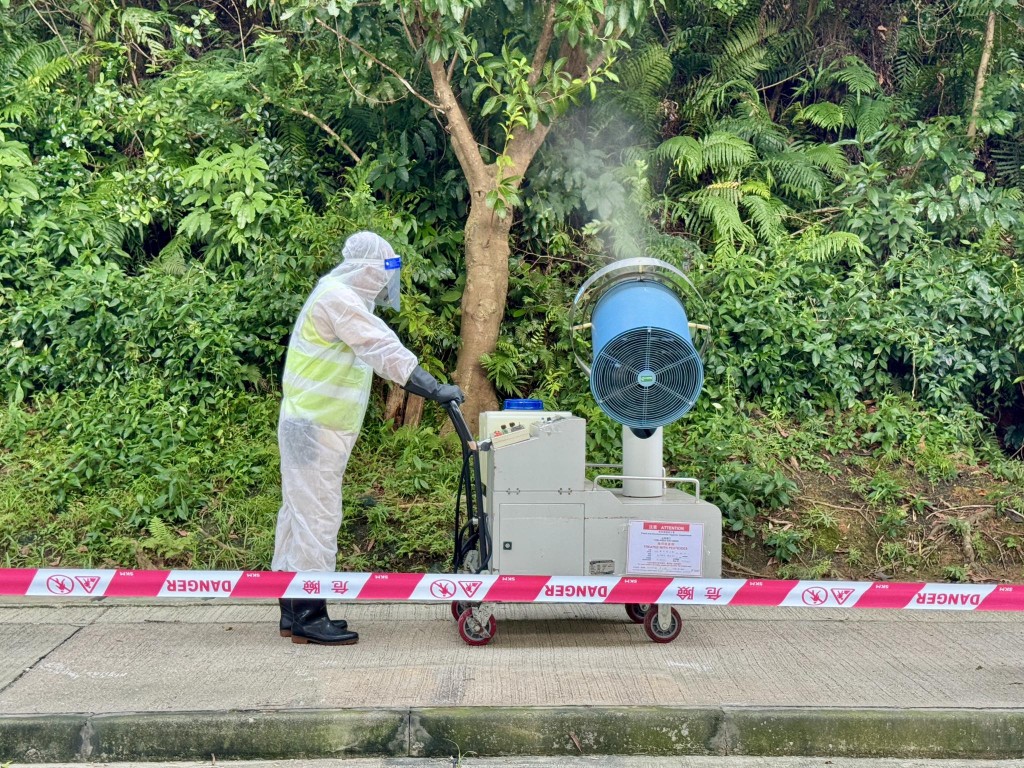
Meanwhile, the government is intensifying mosquito control measures to curb the spread of the disease.
Secretary for Environment and Ecology Tse Chin-wan said in an event this morning that an interdepartmental task force has been mobilised to eliminate stagnant water and overgrown vegetation in public areas and government premises.
The Food and Environmental Hygiene Department (FEHD) has also stepped up inspections, particularly at construction sites, where 77 out of 84 prosecutions for mosquito breeding between January and July were recorded, said Tse.
To enhance public awareness, the official said the FEHD has increased transparency in reporting mosquito infestation data.
The latest Aedes albopictus Ovitrap Index for August shows improvement in 17 out of 23 monitored areas compared to July, with only four areas recording a slight increase—all remaining below 10 percent.
Under newly enhanced measures, authorities are conducting targeted mosquito control operations in areas where the index exceeds 10 percent, including intensified efforts in Sam Pak Wan, Tuen Mun.
The government is working closely with stakeholders to identify high-risk zones and implement focused anti-mosquito strategies to minimise the risk of chikungunya transmission, said Tse.
(Marco Lam)