Hong Kong has recorded nine imported cases of chikungunya fever this year, prompting health authorities to warn of growing rise in infections and the risk of local transmission.
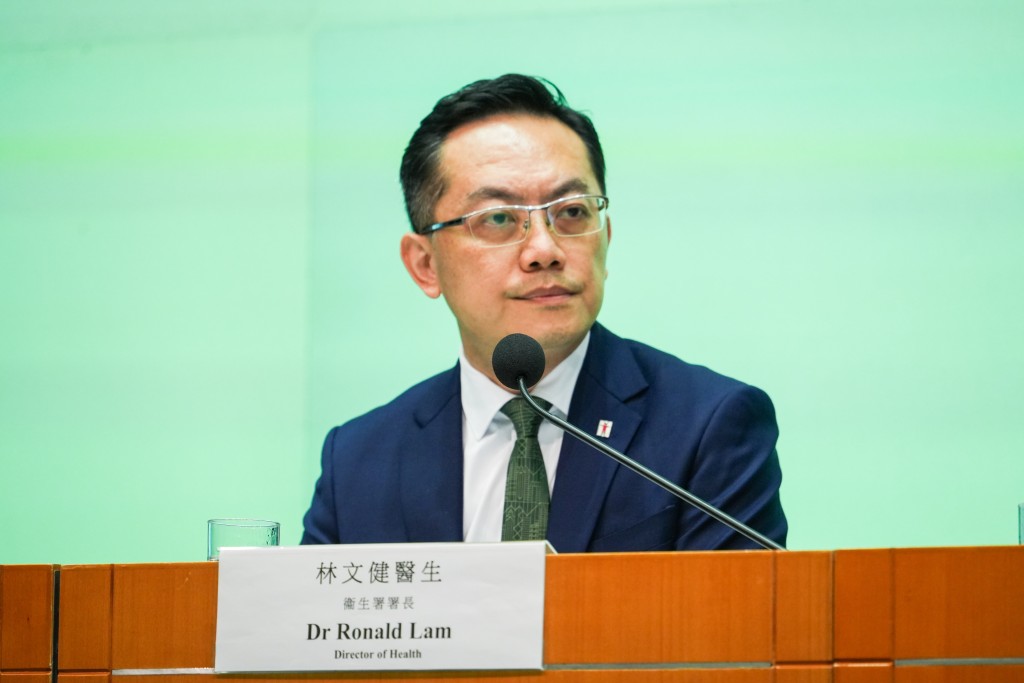
Director of Health Ronald Lam Man-kin said Sunday that while the likelihood of widespread local transmission remains low, the city should prepare for more imported cases, particularly from Guangdong Province and Bangladesh—the main sources of current infections.
Speaking on a radio program this morning, Lam noted that chikungunya fever has now spread to 119 countries, with the World Health Organization (WHO) predicting a global outbreak peak this year.
Climate change and mosquito spread drive risk
Lam attributed the growing threat to climate change, which has allowed the Aedes albopictus mosquito—traditionally found in tropical regions—to expand into temperate zones.
"Abnormal weather patterns and prolonged rainy seasons create ideal breeding conditions," he said, adding that residents traveling abroad this summer could inadvertently introduce the virus if bitten by infected mosquitoes.
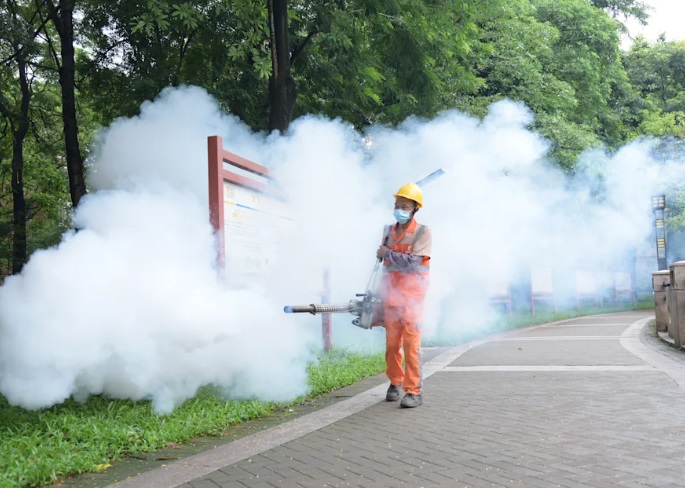
The government will intensify mosquito control measures to curb potential transmission, Lam stressed.
Flu and Covid-19 activity remain low
With the flu season ending in March, Lam said Hong Kong is unlikely to face a summer influenza surge, as virus activity remains below baseline levels despite slight increases in respiratory infections and hospitalizations.
Covid-19 cases are also at low levels, though health officials continue monitoring for emerging variants.
On respiratory syncytial virus (RSV), Lam said while it can severely affect the elderly and pregnant women, no targeted vaccination program is in place. High-risk individuals were advised to consult doctors for preventive measures.