As the new school year nears, a leading pediatric expert has warned that children's general resistance to common infections is weaker than before the Covid-19 pandemic, raising the risk of infectious disease outbreaks in schools.
The Centre for Health Protection (CHP), in a letter to all schools across the city issued through the Education Bureau, has already alerted educational institutions to a notable rise in the activity of seasonal influenza, respiratory syncytial virus (RSV), and hand, foot, and mouth disease over the past one to two months.
Schools have been urged to heighten their vigilance and proactively implement measures to prevent the spread of various infectious diseases on campus.
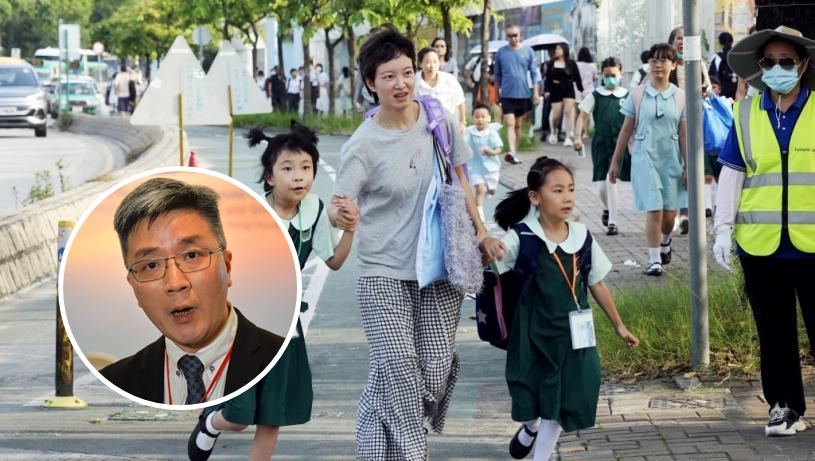
Speaking on a radio program Tuesday morning, Patrick Ip Pak-keung, a clinical professor at the University of Hong Kong’s paediatrics and adolescent medicine department, provided a concerning explanation for this trend.
He said based on recent experience, the overall immunity and antibody levels in children are generally lower now than they were prior to the pandemic. This weakened state means that when children do get infected, their symptoms have the potential to be more severe.
Furthermore, if hospitalization is required, their stay in the hospital could also be longer, he added.
Ip highlighted that the start of the school year significantly increases opportunities for close contact among children.
This inevitable interaction, combined with reduced population immunity, is expected to lead to a higher risk of infectious disease outbreaks within school communities, he said.
Both school authorities and parents are strongly advised to ensure all necessary preventive measures are in place to protect children's health as they return to the classroom.