Hong Kong’s Centre for Health Protection (CHP) has issued a public health advisory on Tuesday urging residents to take precautions against melioidosis, a bacterial infection that becomes more prevalent after extreme weather events such as typhoons and heavy rainfall.
The warning comes as the city grapples with recent storms that have increased the risk of exposure to contaminated soil and water.
Understanding melioidosis
Melioidosis is caused by the bacterium Burkholderia pseudomallei, which thrives in moist soil and muddy water.
The bacteria can infect humans through open wounds, inhalation of contaminated dust or water droplets, or consumption of unclean water.
Individuals with weakened immune systems, diabetes, or chronic illnesses are particularly vulnerable to severe complications.
Rising cases and government measures
Health authorities have recorded eight melioidosis cases so far this year, a notable figure compared to the 23 cases reported in all of 2024.
The CHP has been on high alert since a 2022 outbreak in Sham Shui Po, implementing enhanced water safety protocols such as advanced filtration systems and increased chlorine levels in the public water supply.
Regular testing has confirmed that Hong Kong’s drinking water remains safe and meets all health standards.
Recognizing symptoms
Infected individuals may experience a range of symptoms, including fever, headaches, localized pain, skin ulcers, and respiratory issues such as coughing or chest pain.
In severe cases, the infection can progress to pneumonia, sepsis, or other life-threatening conditions.
The CHP strongly advises high-risk individuals—particularly the elderly and those with pre-existing health conditions—to seek immediate medical attention if these symptoms arise.
Protective measures for the public
To minimize infection risks, health officials recommend avoiding direct contact with soil or standing water, especially in flood-affected areas.
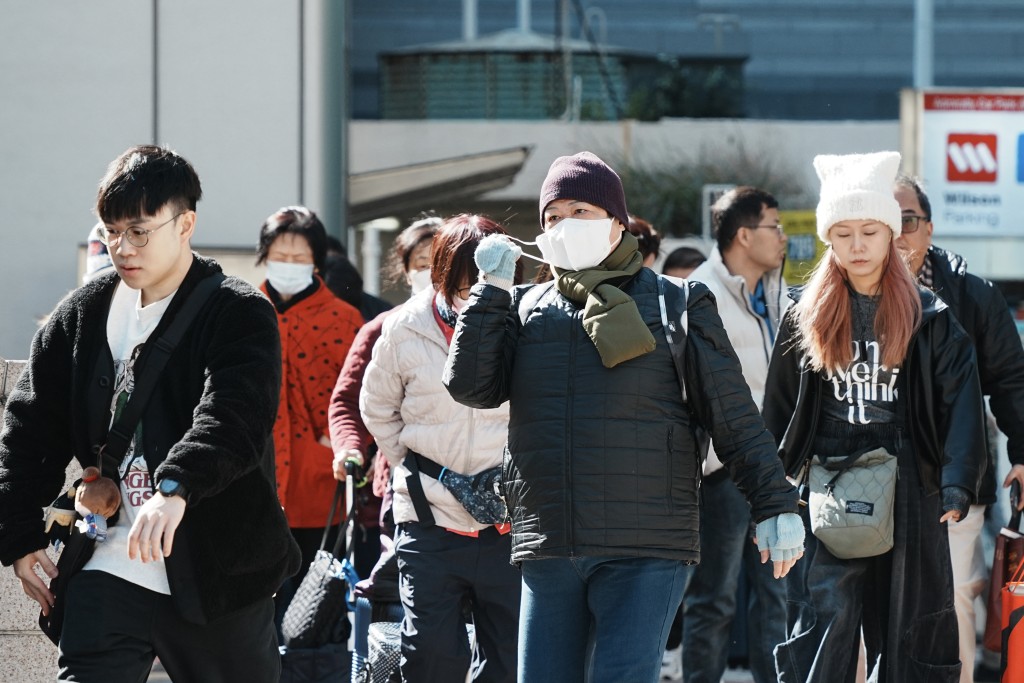
Those who must work outdoors should wear protective gear such as gloves, masks, and waterproof boots.
Proper wound care is essential; any cuts or abrasions should be cleaned promptly and covered with waterproof bandages.
Additionally, thorough handwashing after outdoor activities and avoiding untreated water are critical preventive steps.
The CHP has reassured the public that while melioidosis is a serious illness, person-to-person transmission is extremely rare.
However, vigilance remains crucial, particularly during periods of adverse weather when exposure risks are heightened.
For further information, residents are encouraged to visit the CHP website.