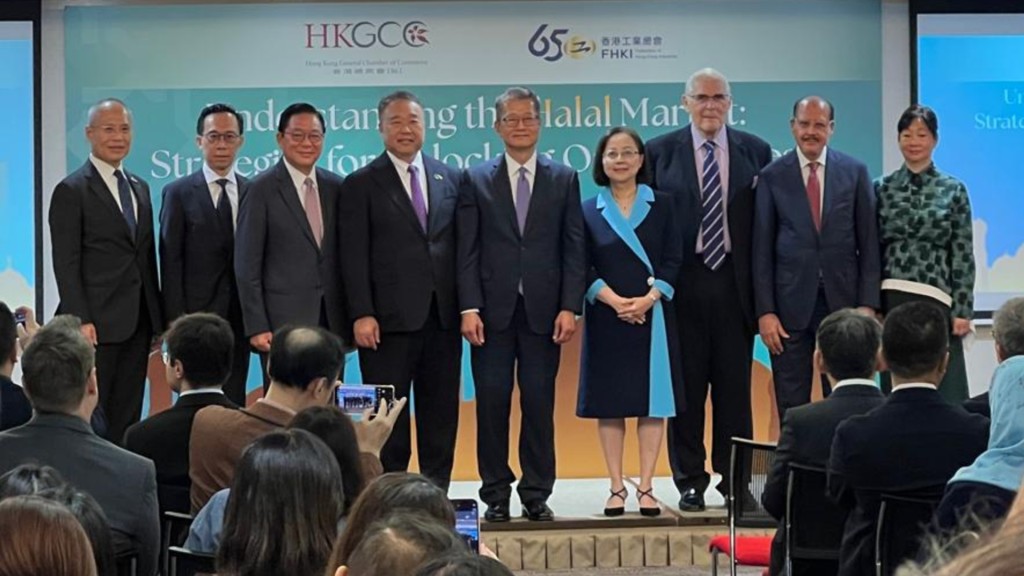
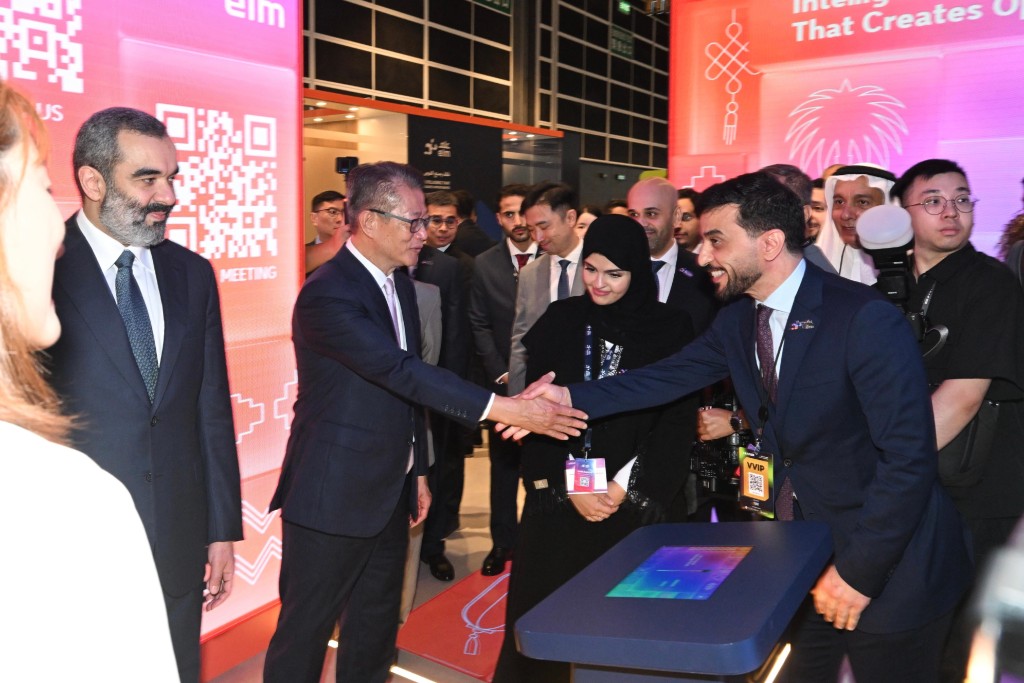
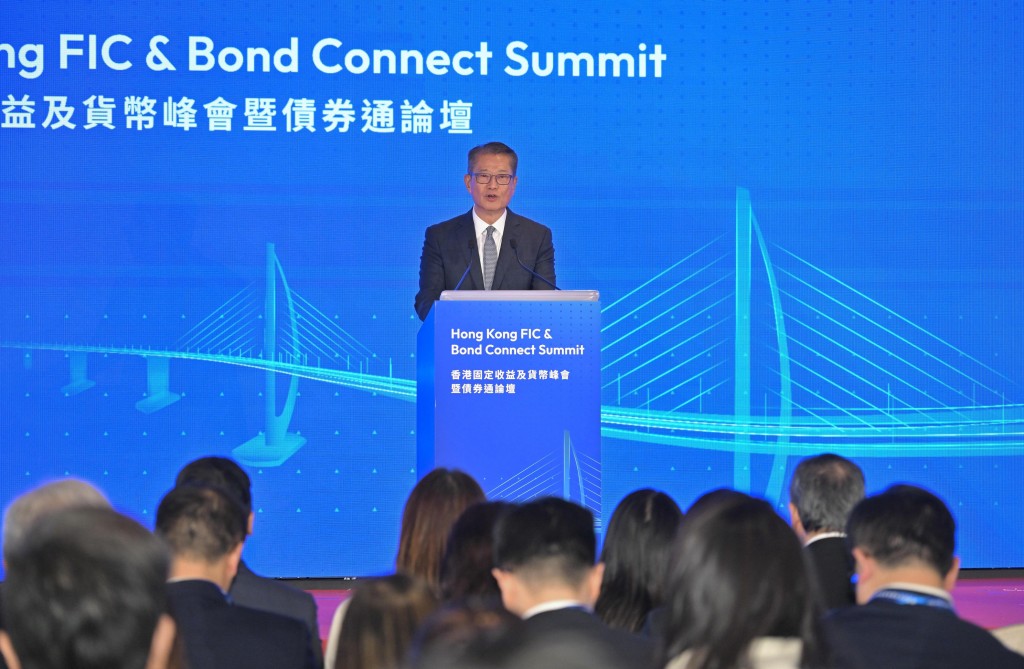
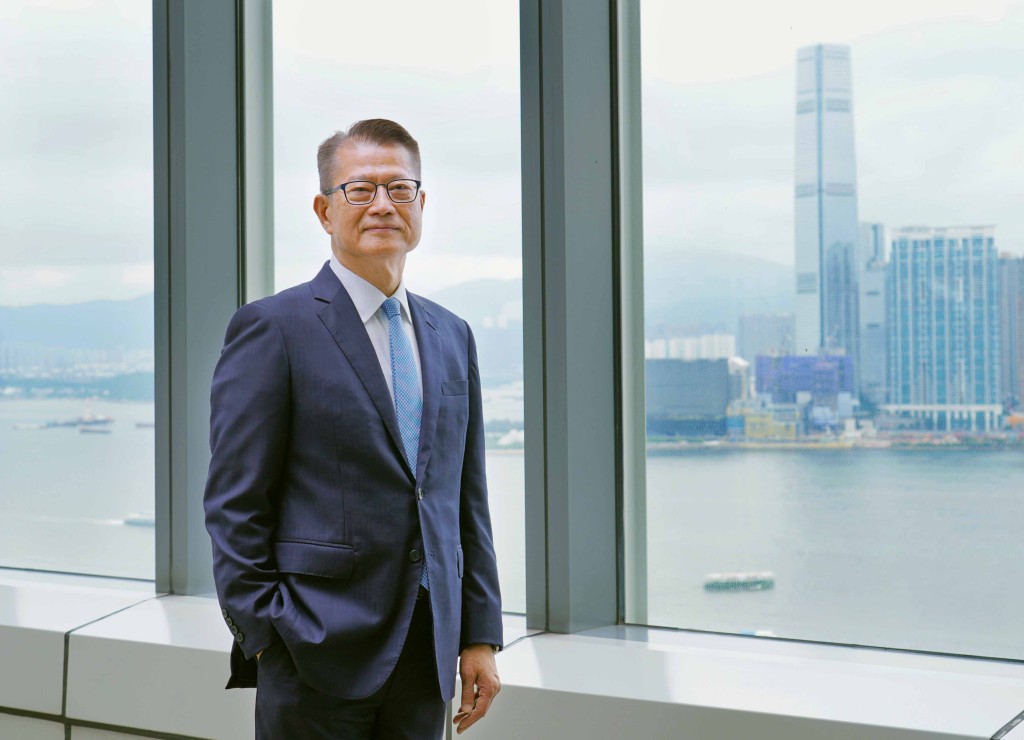
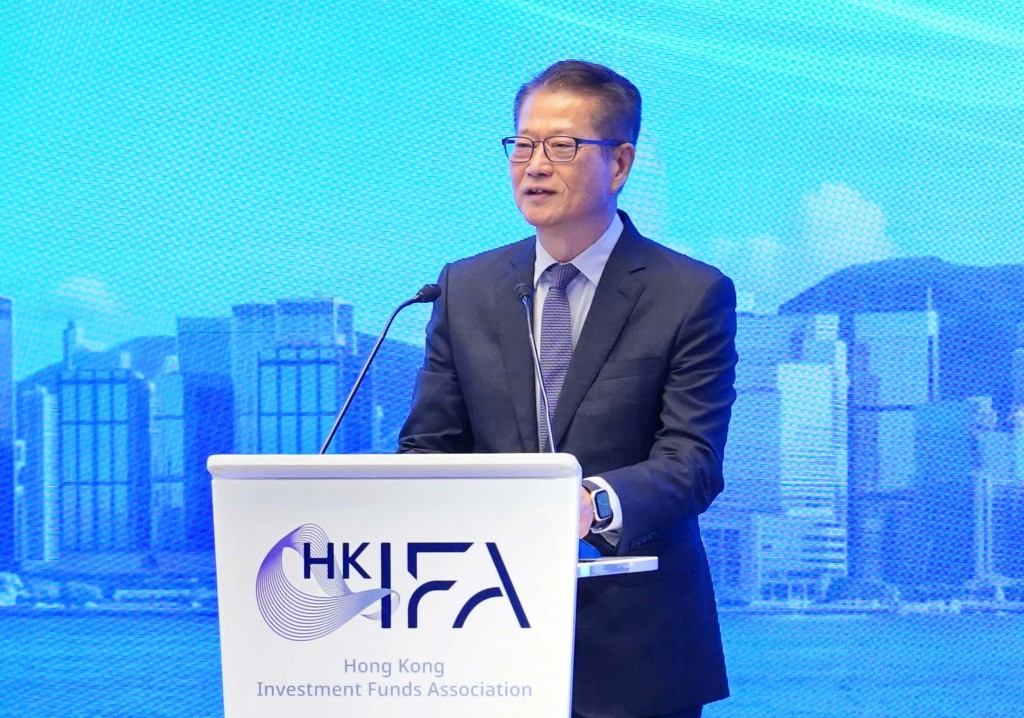
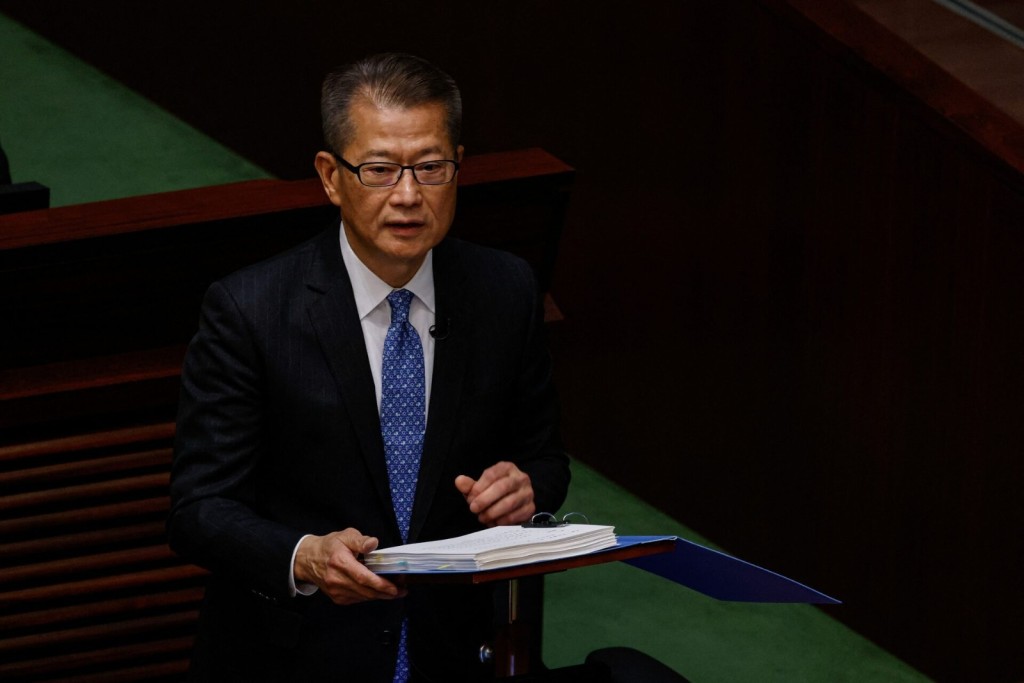
Financial Secretary Paul Chan Mo-po will lead a delegation that includes representatives from local and mainland enterprises to Saudi Arabia later this month, as he emphasized that Hong Kong can serve as a vital platform for businesses interested in accessing the expanding Halal market.
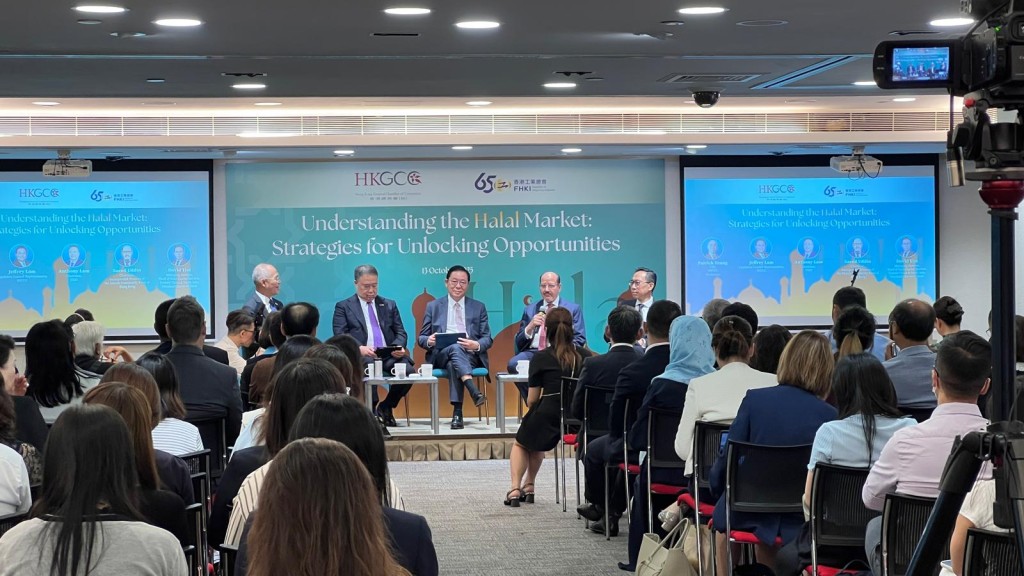
Speaking at a forum organized by the Hong Kong General Chamber of Commerce (HKGCC) and the Federation of Hong Kong Industries (FHKI) to promote the Halal market, the financial chief noted that the growth of the Halal economy reflects the increasing influence of the Global South.
In the past decade, China's exports to countries within the Organization of Islamic Cooperation (OIC) have surged by over 80 percent, reaching US$600 billion. Simultaneously, imports from these countries have risen by 60 percent, totaling US$450 billion.
Chan stated that Hong Kong could provide a reliable two-way platform for local and mainland enterprises looking to expand into the Halal market, as well as for investors seeking to enter Greater Bay Area markets.
He remarked that Hong Kong brands have garnered significant recognition in the Middle East, supported by the government's recent delegations to multiple Muslim nations.
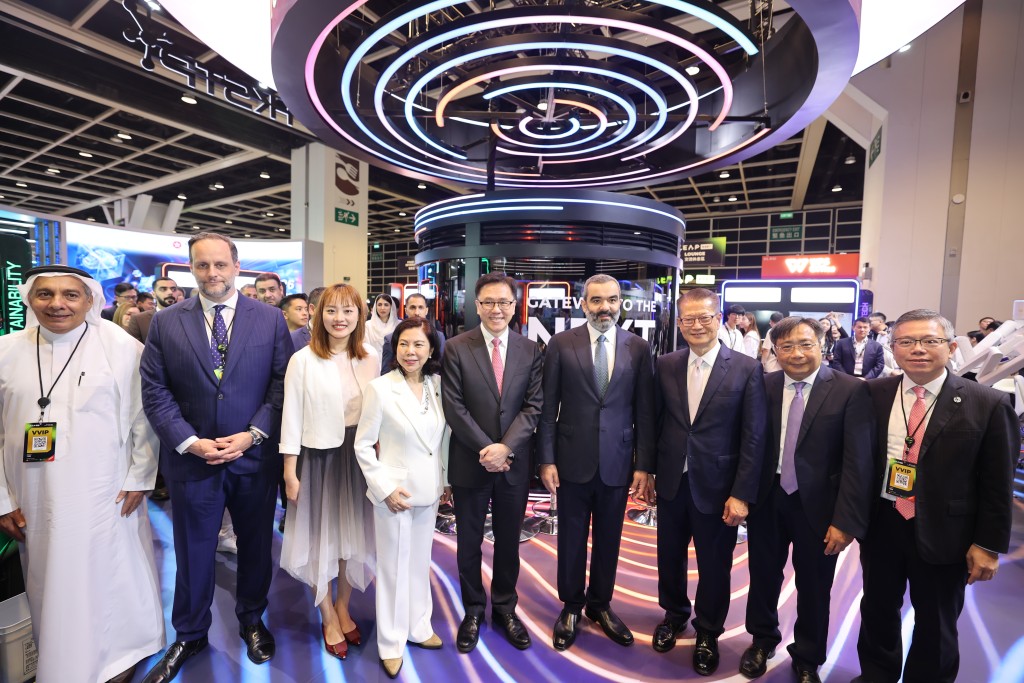
In addition, Chan will lead a delegation comprising representatives from sectors such as artificial intelligence, biotechnology, financial technology, and green energy to Saudi Arabia, aimed at promoting Hong Kong's strengths.
The government plans to set up an Economic and Trade Office in Riyadh, while a new trade office will be established in Kuala Lumpur, Malaysia by the end of the year, Chan added.
As a leading international financial center, Hong Kong has developed a robust legal and regulatory framework to support financial instruments compliant with Islamic law, thereby promoting cooperation, Chan said.
The SAR government has issued more than US$3 billion in Sukuk and intends to include professionals with expertise in Islamic finance in the city's talent pool.
Meanwhile, Chan said that Hong Kong welcomed nearly 500,000 visitors from Indonesia and Malaysia as of August this year, representing a 10 percent year-on-year growth. Authorities also recorded 54,000 tourists coming from Middle East, representing a nearly 40 percent increase.
The city is enhancing its capacity to accommodate Muslim travelers in the tourism and hotel sectors, with the Tourism Board launching a funding scheme to help local restaurants obtain Halal certification, said Chan.
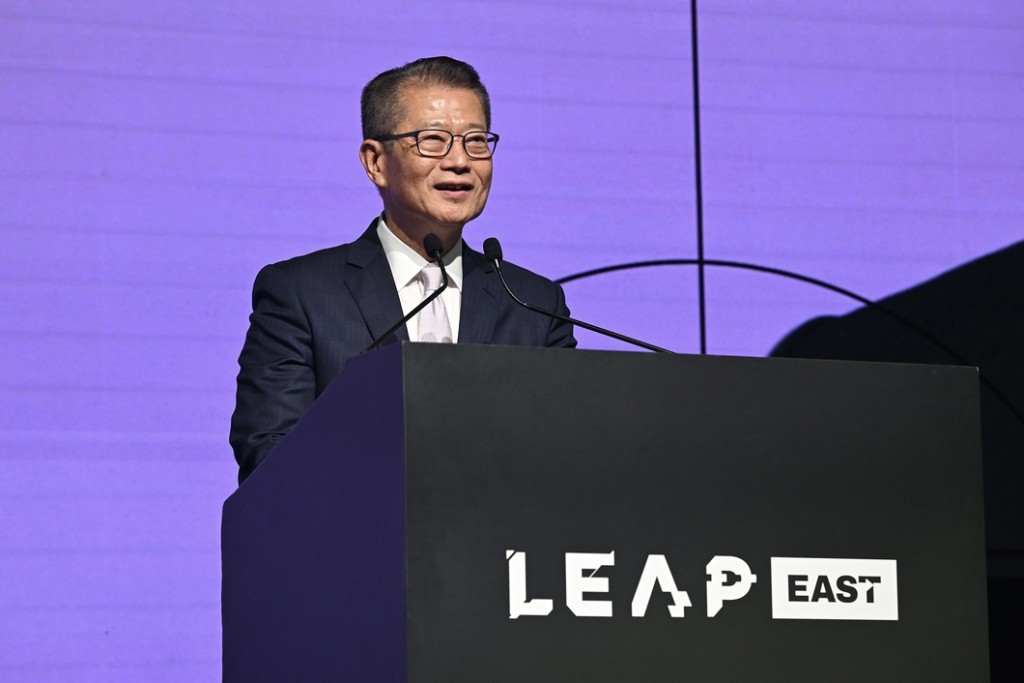
He also revealed that the LEAP Innovation Conference will be held in Hong Kong in July next year, which will be the first time the conference is held outside the Middle East.
In addition, Jeffrey Lam Kin-fung from the general committee of HKGCC underscored that mutual cultural understanding is the cornerstone of successful engagement between Hong Kong and the Muslim countries and that is crucial for attracting business, investment, and tourists.
He highlighted Hong Kong’s robust foundation of world-class professionals in law, accounting, IT, and logistics that can provide holistic support for incoming investments.
Dismissing concerns about the availability of Halal materials, he asserted that the city could easily get Islamic materials just across the border.
Anthony Lam Sai-ho, the chairman of FHKI, detailed the newly launched Hong Kong Q-Mark Halal Scheme and noted that the scheme provides a “dual guarantee” -- certifying both the Halal integrity of the food and the service quality, moving beyond vague “Halal-friendly” claims.
He emphasized that building a supportive ecosystem is critical, noting a key achievement was successfully advocating for the Halal economy’s inclusion in government policy.
He also pointed to the importance of supply chain integrity, requiring certified suppliers and separate kitchen protocols with different colored utensils to prevent cross-contamination.
Lam cited examples from Osaka, where a famous ramen chain created a dedicated Halal branch, and Kuala Lumpur, which has advanced standards. However, he acknowledged the challenges such as retraining local chefs who are accustomed to using non-compliant ingredients like lard in dishes like dim sum.