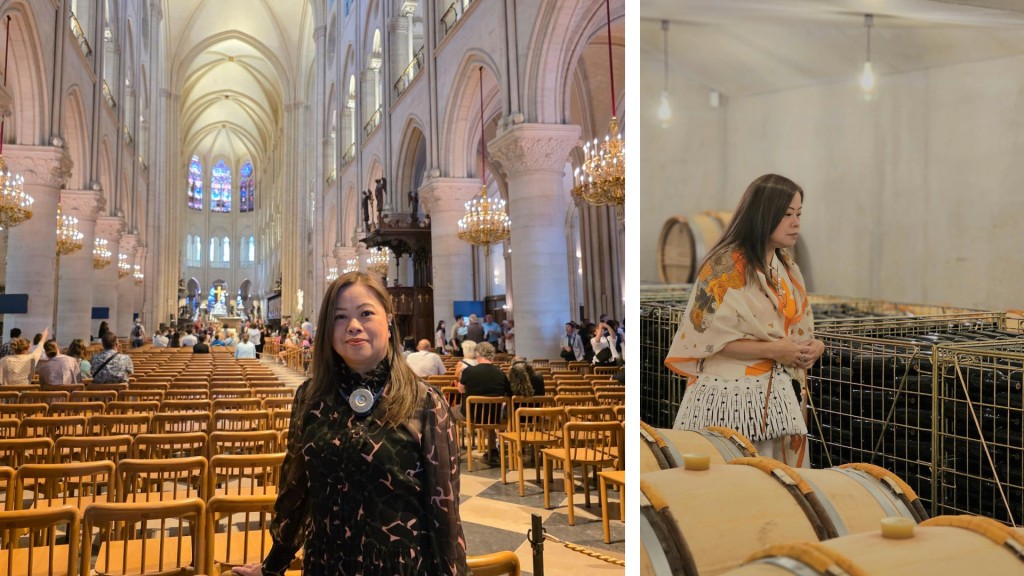
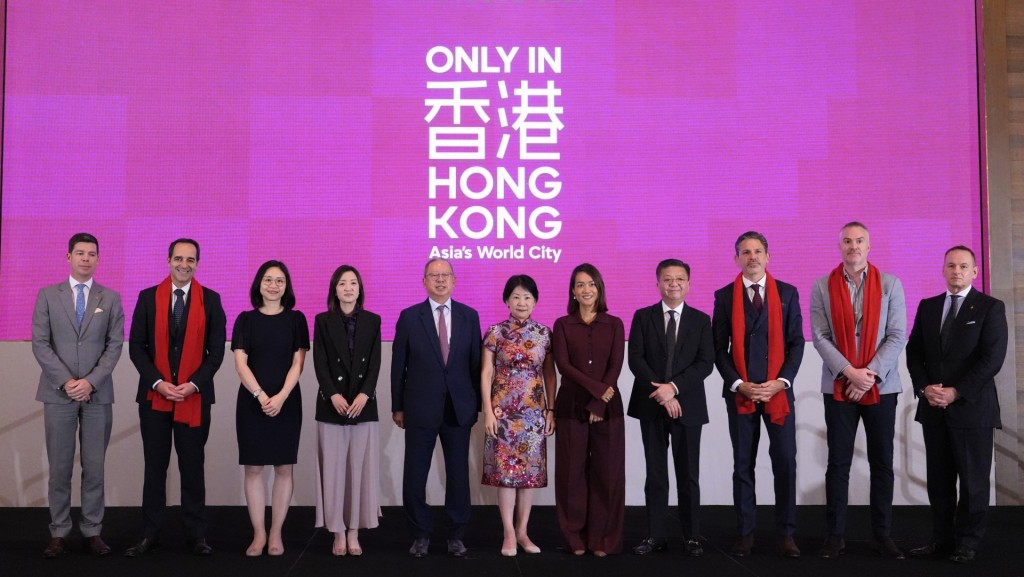
Following an inspirational trip to France, Secretary for Culture, Sports, and Tourism Rosanna Law Shuk-pui unveiled plans to revitalize Hong Kong’s tourism offerings by leveraging the city’s unique blend of heritage, cuisine, and international appeal—including an elevated Wine and Dine Festival this October.
The push comes as international visitors rebound, now accounting for 25 percent of the 4.08 million total arrivals in May 2025, up from 20 percent pre-pandemic, while mainland travelers comprise the remainder. Law likened Hong Kong’s resurgence to Paris’s restored Notre-Dame Cathedral, which reopened with renewed grandeur after its devastating fire.
“Like a phoenix rising from the ashes, Hong Kong now shines with renewed splendor, reclaiming its former glory,” she declared.
To capitalize on the tourism rebound, Law revealed CSTB and Hong Kong Tourism Board’s plans to enhance the Wine and Dine Festival, transforming it into a premier platform for wine sales and experiential events.
The festival will reintroduce the iconic Grand Tasting Pavilion, where high-quality wines will be paired with curated fine-dining experiences, offering visitors the chance to explore unique food-and-wine pairings. A new Everyday Bordeaux section will feature affordable yet quality wines, catering to a wide range of tastes and budgets.
“We’re blending wines from both the Old and New Worlds to attract locals and international visitors of all ages,” Law explained, emphasizing the festival’s appeal to younger audiences drawn to Instagrammable wine packaging.
Wine and Dine Festival elevated into platform for experiential events
As a gourmet and wine connoisseur, Law shared innovative pairing ideas to fuse Chinese cuisine with global wines. They include French Sauternes with Chinese Longevity Buns (lotus paste filling), as the wine’s sweetness complements the bun’s smooth texture; Champagne or Riesling with Sichuan pickled fish or spicy hot pot, where the wines’ crispness offsets the bold, spicy flavors; and Dry white wine with spicy duck tongue, to enhance the dish’s intensity with a refreshing balance.
Law highlighted Hong Kong’s untapped tourism potential, including coastal island tours supported by expanded landing facilities such as those at West Kowloon Cultural District and Lei Yue Mun. “Imagine fishing in our waters and enjoying fresh seafood right after,” she proposed, envisioning immersive, interactive experiences to attract visitors.
Hong Kong’s multi-religious heritage offers another avenue for attracting global visitors. Law pointed to welcoming places of worship such as St. John’s Cathedral and the Sikh Temple, but stressed the importance of balancing tourism promotion with respect for religious practices. “It’s vital we avoid drawing large crowds to these sacred sites,” she noted.
Law also emphasized the success of revitalized historical sites like Kowloon Walled City and the Yau Ma Tei Police Station, which recreate scenes from 1970s and 1980s Hong Kong, as often depicted in classic films. These attractions have proven popular with visitors, blending nostalgia with modern tourism. She suggested further revitalizing areas like Sham Shui Po, which holds untapped potential for showcasing Hong Kong’s storied past.
(Bonnie Chen)