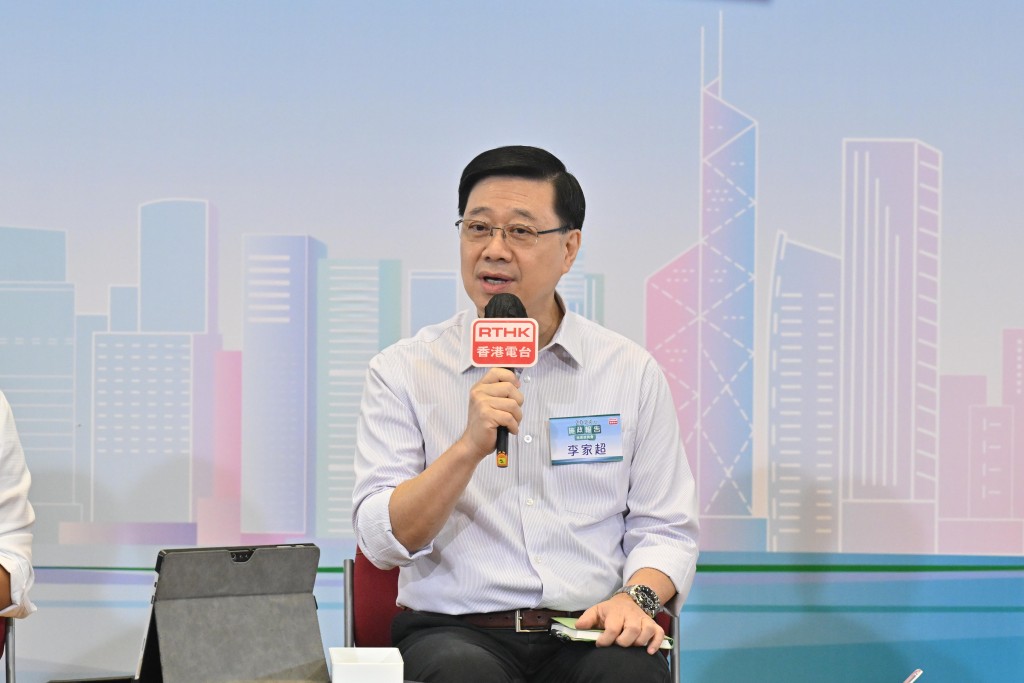
Chief Executive John Lee Ka-chiu is expected to unveil his fourth Policy Address on September 17, with sources indicating the government aims to complete the motion of thanks before the current Legislative Council term ends.
The accelerated political calendar comes as Hong Kong prepares for its December Legislative Council election, compressing key governance timelines.
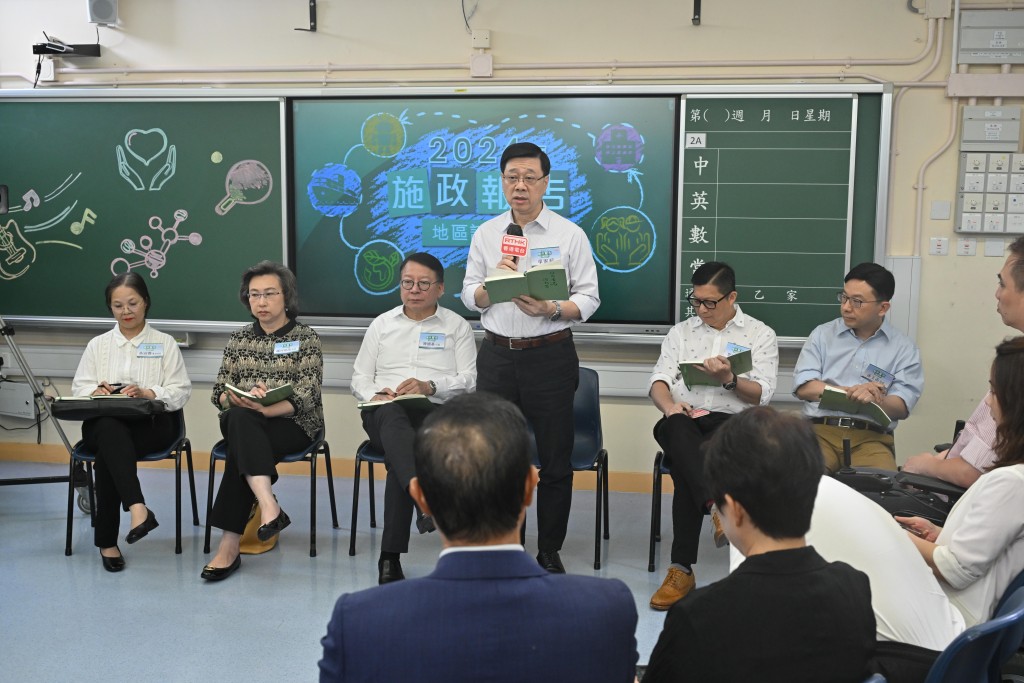
Lee will kick off a series of district consultation sessions later this month, leading principal officials to gather public input across the territory.
This year's legislative agenda remains packed, with pending bills ranging from subdivided flat regulations to basketball gambling legislation and copyright law amendments.
The recent addition of revised prison rules and impending ride-hailing regulations has left lawmakers anticipating a summer of committee work rather than recess.
"The September 17 date would avoid the awkward scenario of the outgoing LegCo hearing the address while the new council debates the motion of thanks," an insider revealed, referencing transitional complications from previous terms.
The Policy Address consultation launched in mid-June includes over 40 sessions, with Lee emphasizing economic transformation through new growth drivers and regional cooperation.
It was understood that the Democratic Alliance for the Betterment and Progress of Hong Kong, the legislature's largest party, has completed its research and will submit recommendations Monday.
Lee's signature district consultations will follow past formats: initial plenary sessions for broad feedback, followed by small-group discussions on specific policy areas. Two school-hosted sessions are planned for late July in Kowloon and the New Territories, according to sources.
Legislative complexities deepen with the 80th anniversary of WWII victory commemorations, including Beijing's military parade likely to draw Hong Kong delegates.
While rumors circulated about an unprecedented full LegCo Beijing visit, insiders note even the recent Shandong aircraft carrier visit saw selective invitations, suggesting limited participation in mainland events.