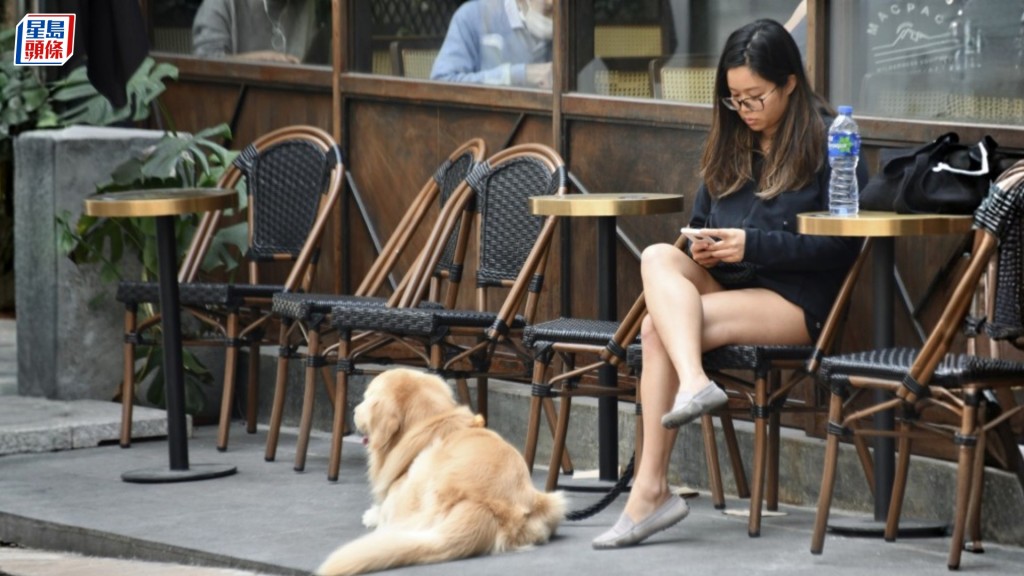
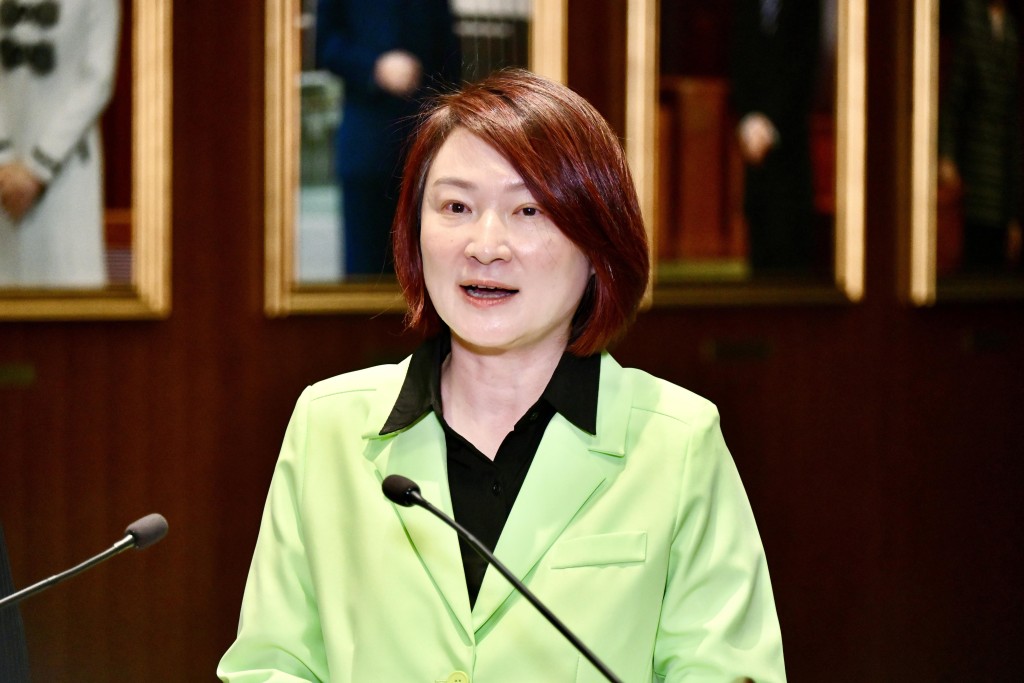
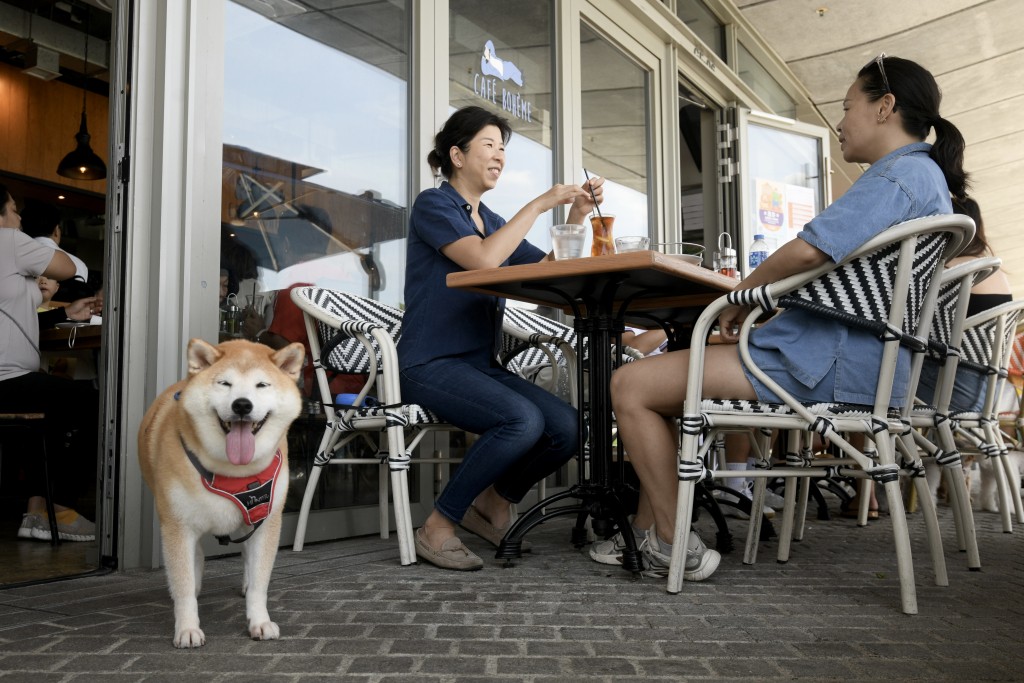
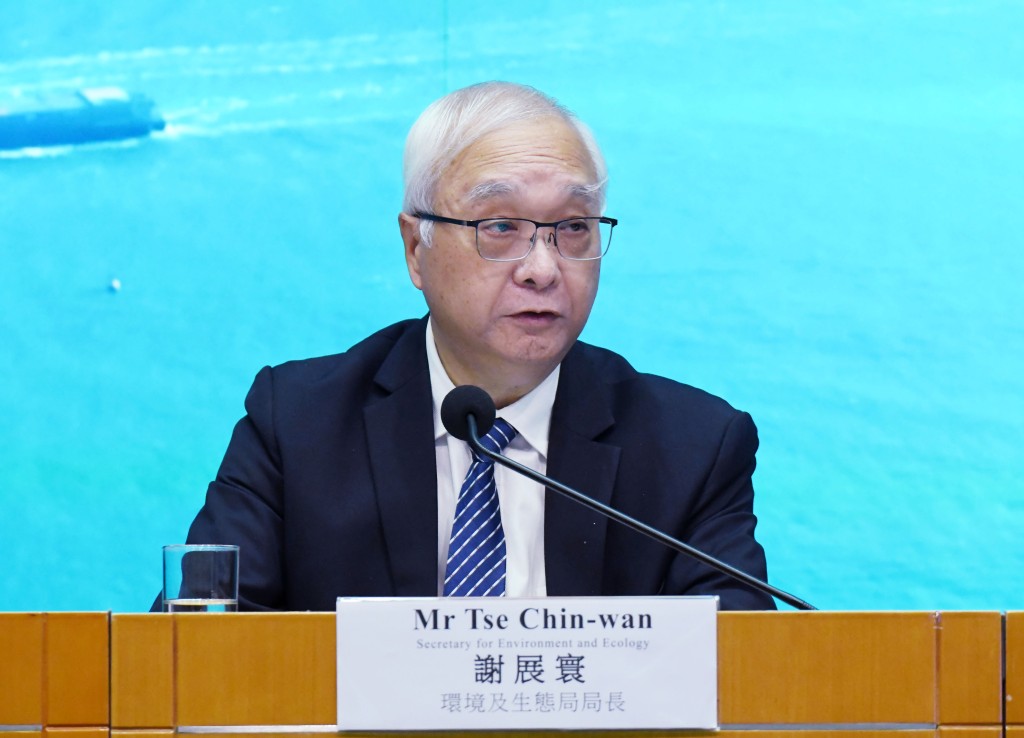
In an effort to foster a more pet-friendly culture, Secretary for Environment and Ecology Tse Chin-wan announced a trial scheme that will allow select restaurants to apply for licenses to welcome dogs.
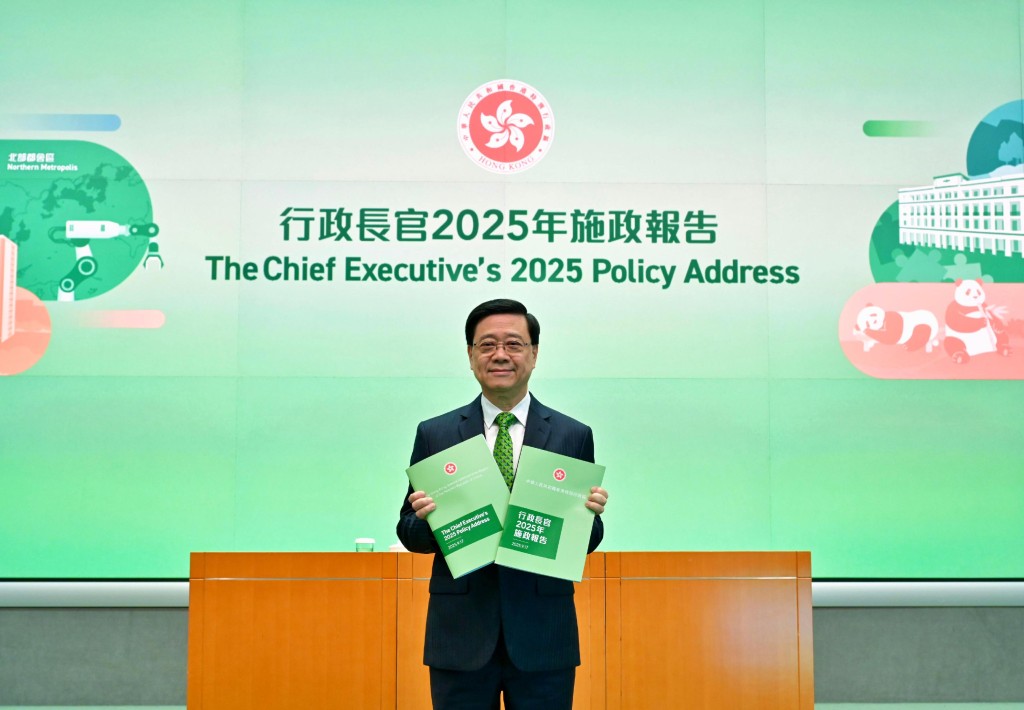
The initiative follows the latest Policy Address, which proposed a new licensing system for designated food premises to permit dog entry.
Speaking on a radio program on Tuesday, Tse highlighted the growing trend of pet ownership in the city, noting that many places worldwide already welcome pets into restaurants.
He said that implementing pet-friendly measures could create new business opportunities for restaurants, subsequently benefiting related industries such as pet food, supplies, grooming, and veterinary services.
Conditional applications for pet-friendly restaurants
However, Tse clarified that not all restaurants will be eligible, as factors such as their operations and clientele will be considered.
For instance, establishments with open food preparation areas or hotpot restaurants are seen as less suitable.
Tse suggested that eateries near the seaside, in rural areas, or located within pet-friendly malls would be more appropriate candidates.
He also stressed that approved restaurants must display clear signage to inform diners of their pet-friendly status.
The authorities will provide flexibility in the licensing process, starting with a trial period for a limited number of participants to gather experience before finalizing detailed guidelines, said Tse.
Streamlined approval for outdoor seating
The environment chief also addressed proposed measures, as introduced in the Policy Address, to expedite the approval process for outdoor seating. He explained that previous procedures involved lengthy checks related to land use, fire safety, and property regulations.
He said the government plans to integrate and standardize these requirements. For example, ensuring outdoor seating areas maintain a minimum three-meter-wide clear walkway will eliminate the need for detailed, case-by-case assessments.
Coupled with a new "joint vetting" system, the government anticipates approval times will be significantly reduced from the current six to twelve months to approximately one month.
Electric vehicle charging infrastructure
In other environmental initiatives, the government is expanding the electric vehicle charging network, aiming to add 3,000 fast chargers by 2028.
Tse reported a positive public response, with dozens of applications already received, and expressed hope that this trend would continue.
Future waste management plans
Regarding waste management, the government plans to seek funding from the Legislative Council next year to construct a second integrated waste management facility, I·PARK2.
Tse indicated that achieving "zero waste to landfill" requires a two-pronged approach: reducing waste at the source and constructing more waste-to-energy facilities.
He added that I·PARK2 is expected to be completed around 2030. Together with I·PARK1, the facilities are anticipated to process approximately 9,000 tons of waste daily.
Tse noted that over 1,200 tons of waste per day have already been reduced in the past three years. He believes that if waste reduction continues at a rate of 1,500 tons per day over the next decade, there will be no need to build a third incinerator.