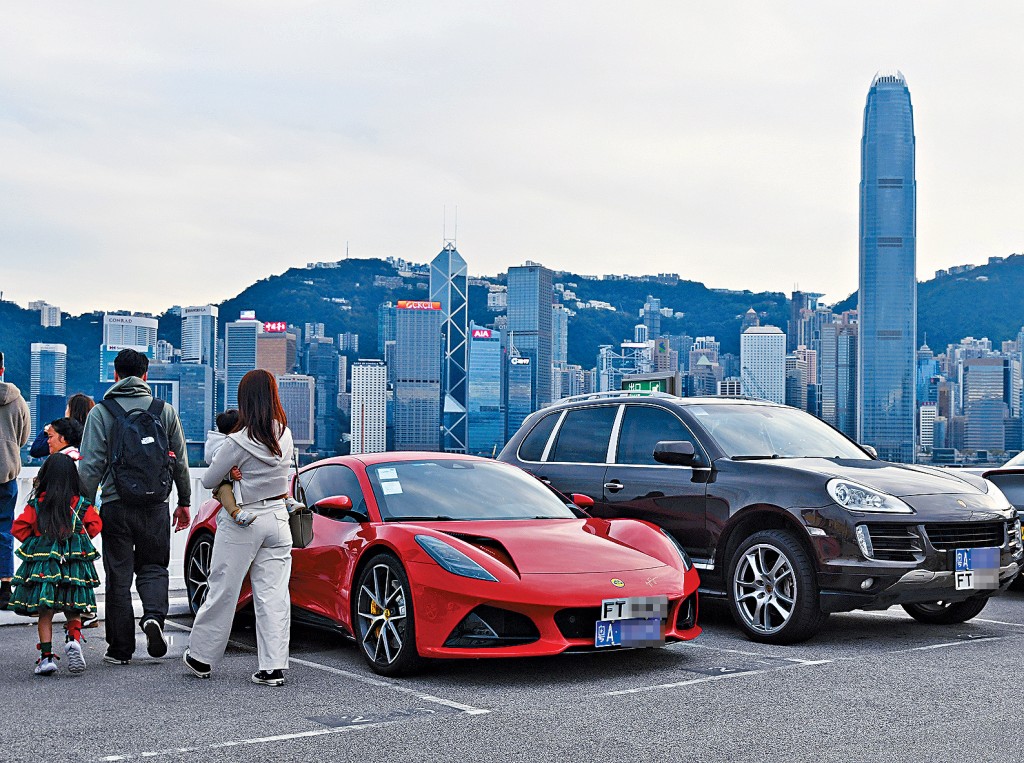
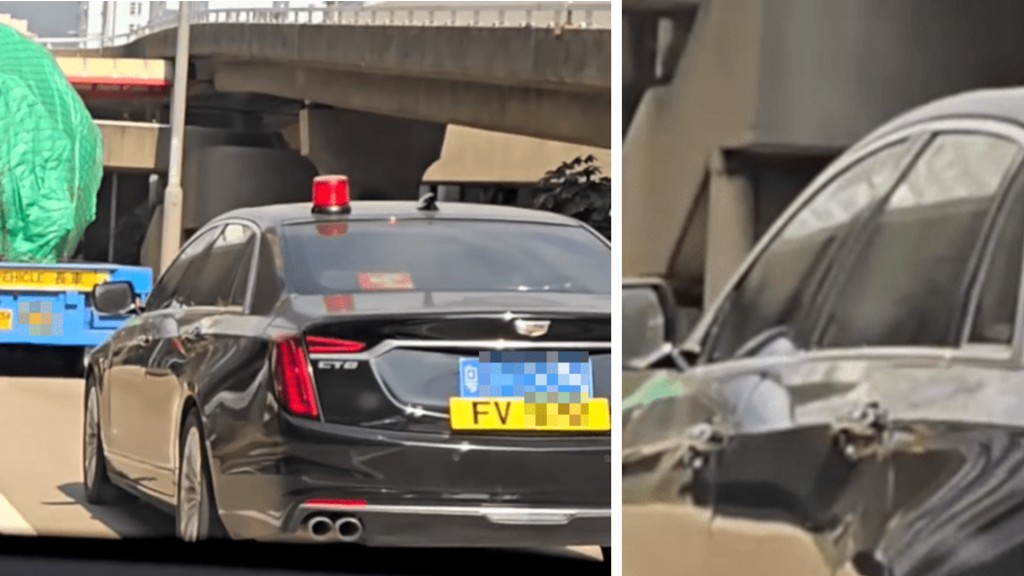
Lawmaker Chan Siu-hung on Thursday voiced concerns about Hong Kong’s infrastructure capacity to handle the influx as authorities prepare for the "Southbound Travel for Guangdong Vehicles" scheme.
The Legislative Council transport panel chairman warned that narrow roads, insufficient EV charging facilities, and overcrowding at tourist hotspots could strain the system, despite welcoming the initiative's economic benefits.
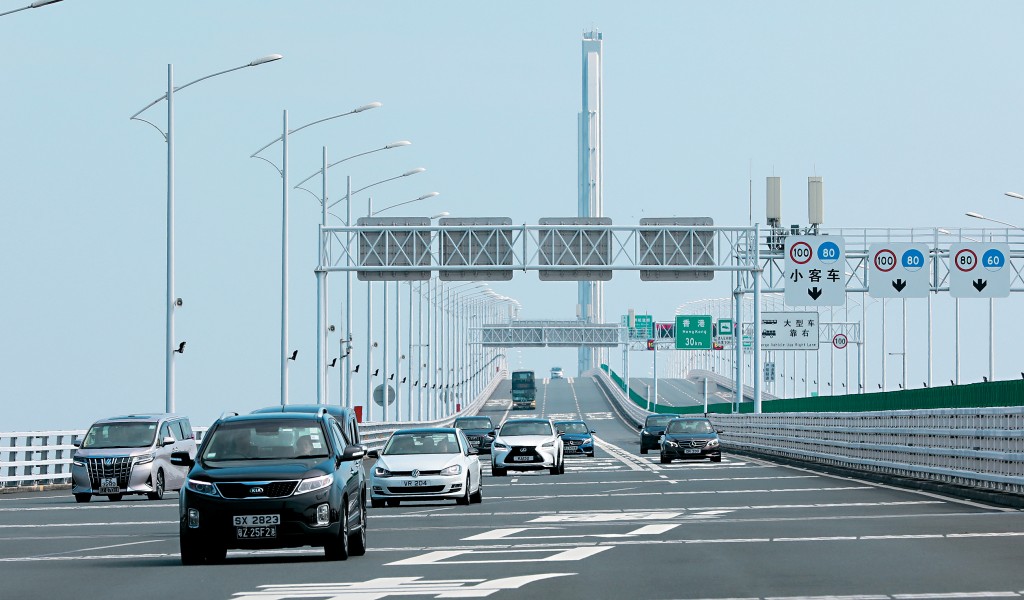
His comments came as the city is set to welcome mainland drivers under the "Southbound Travel for Guangdong Vehicles" scheme as early as November, with an initial daily quota of 100 vehicles allowed to enter urban areas for stays of several days.
The initiative aims to boost local retail and tourism spending, including overnight hotel stays.
Speaking on a TV program this morning, Chan voiced support for the policy's economic benefits but cautioned about potential strains on Hong Kong's infrastructure.
He said that while 300 to 400 additional vehicles at any given time might be manageable if dispersed, concentrated arrivals—such as at the Kai Tak Sports Park—could create traffic disruptions.
Chan urged authorities to refine implementation based on real-time data, citing post-pandemic shifts in travel patterns and information consumption. He called for close coordination between transport planners and the retail sector to adapt dynamically.
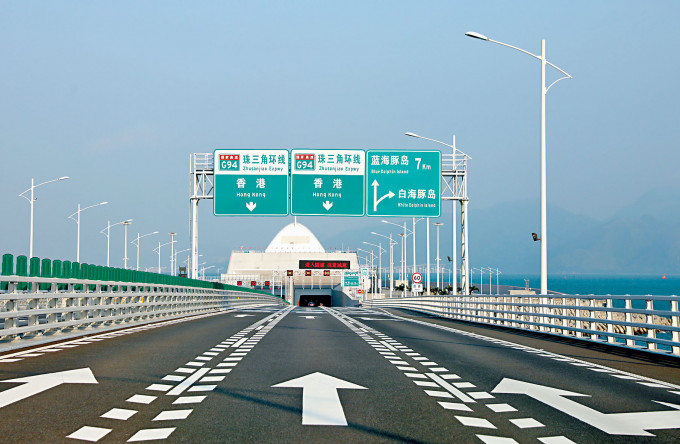
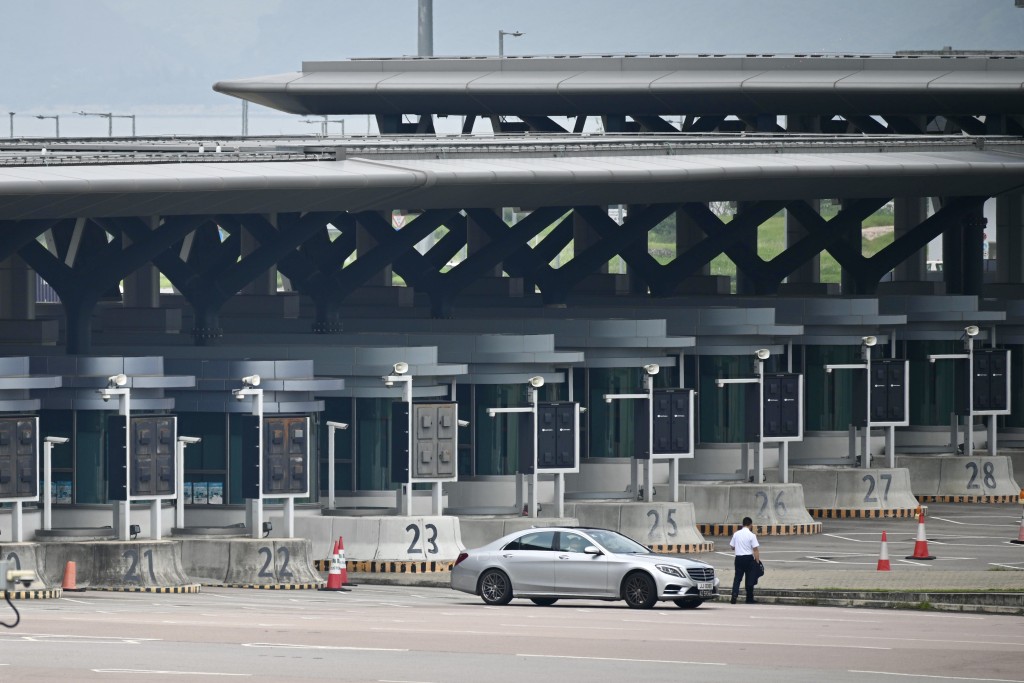
Speaking on the same program, Airport Authority Airport Operations Executive Director Steven Yiu Siu-chung outlined supporting measures at the Hong Kong-Zhuhai-Macau Bridge port.
He said a new 1,800-space automated parking facility in the restricted transit area will allow mainland drivers to park and proceed directly to the boarding gates without entering Hong Kong.
An additional parking lot for short-term visitors will open in the first half of 2026, featuring autonomous shuttle buses to transport passengers between the border checkpoint and AsiaWorld-Expo.