Secretary for Transport and Logistics Mable Chan arrived in Guangzhou on Monday to discuss the details of the Southbound Travel for Guangdong Vehicles scheme with Guangdong authorities.
Speaking in an interview, the transport chief noted that the discussions will cover arrangements such as traffic control for Guangdong vehicles entering Hong Kong’s urban areas, with the aim of launching the program within this year.
Chan highlighted that the scheme will not only facilitate cross-border connections within the Greater Bay Area but also benefit Hong Kong's tourism industry.
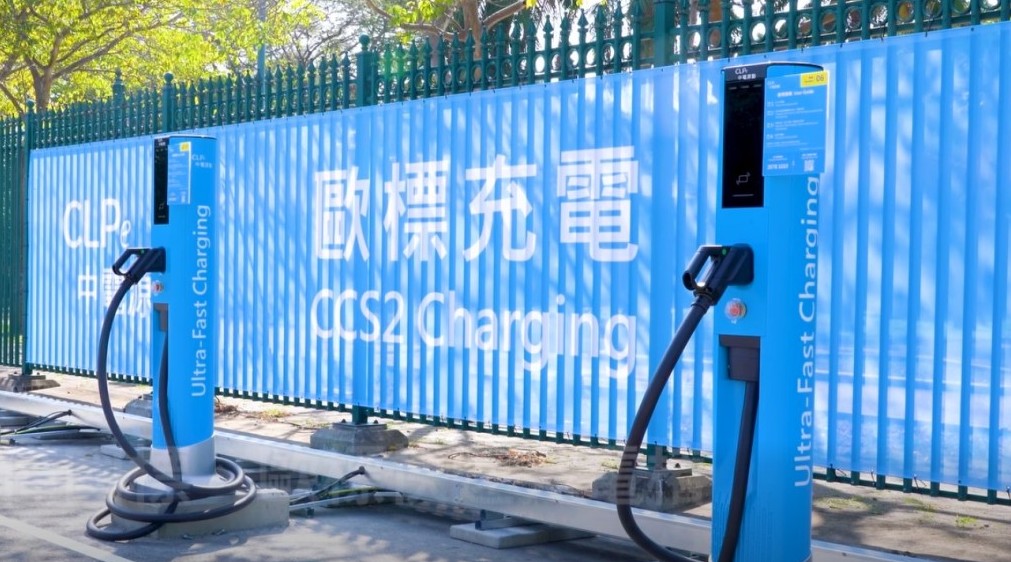
Upon implementation, vehicle owners will receive driving guides and travel accommodation tips, as well as practical information, including parking availability and charging facilities in Hong Kong.
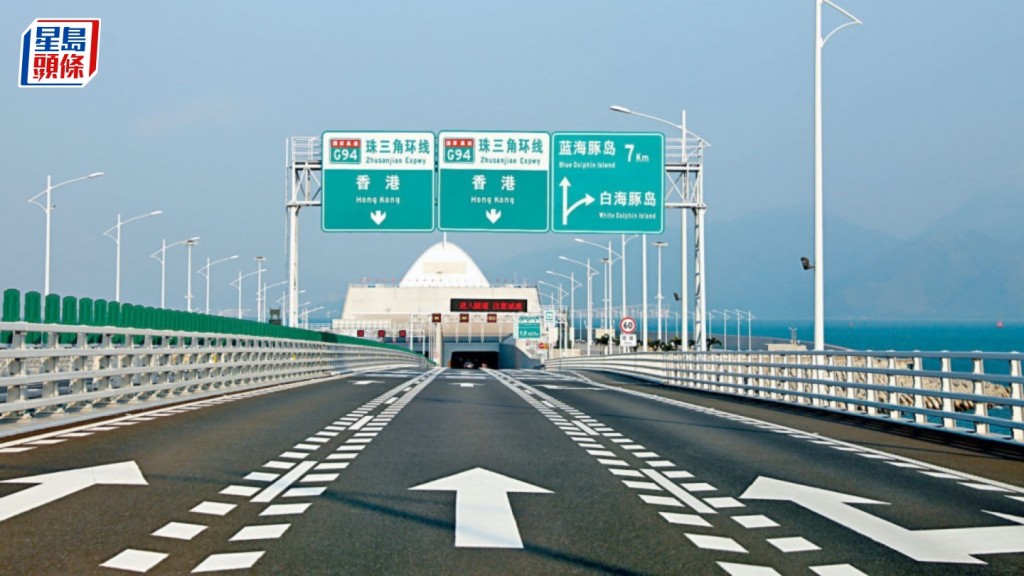
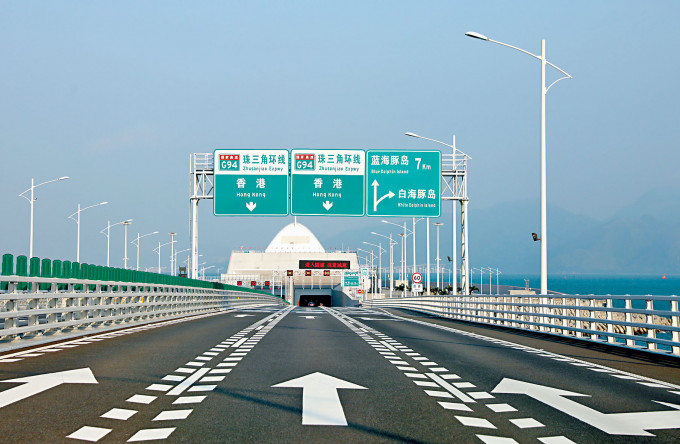
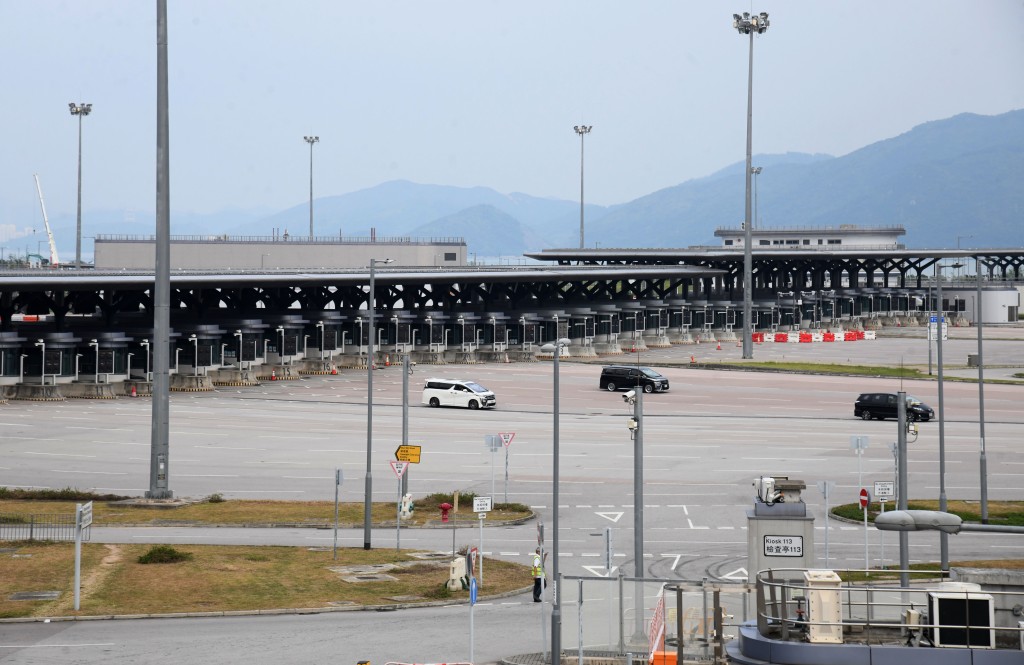
Meanwhile, Chan explained that a key component of the scheme involves utilizing the automated parking facility at the Hong Kong Port of the Hong Kong-Zhuhai-Macao Bridge (HZMB) to provide park-and-ride services.
This initiative aligns with the government's policy of introducing innovative systems to expand parking capacity and improve convenience for drivers.
The scheme will offer mainland tourists more travel options, such as driving to Hong Kong for family visits, concerts, or extended stays for leisure and consumption, which will benefit various sectors across the city, she said.
Considering Hong Kong's limited land area and traffic congestion, Chan noted that daily quotas for southbound vehicles will be set based on practical assessments, citing the initial 200-vehicle daily cap under the initial phase of the northbound travel scheme.
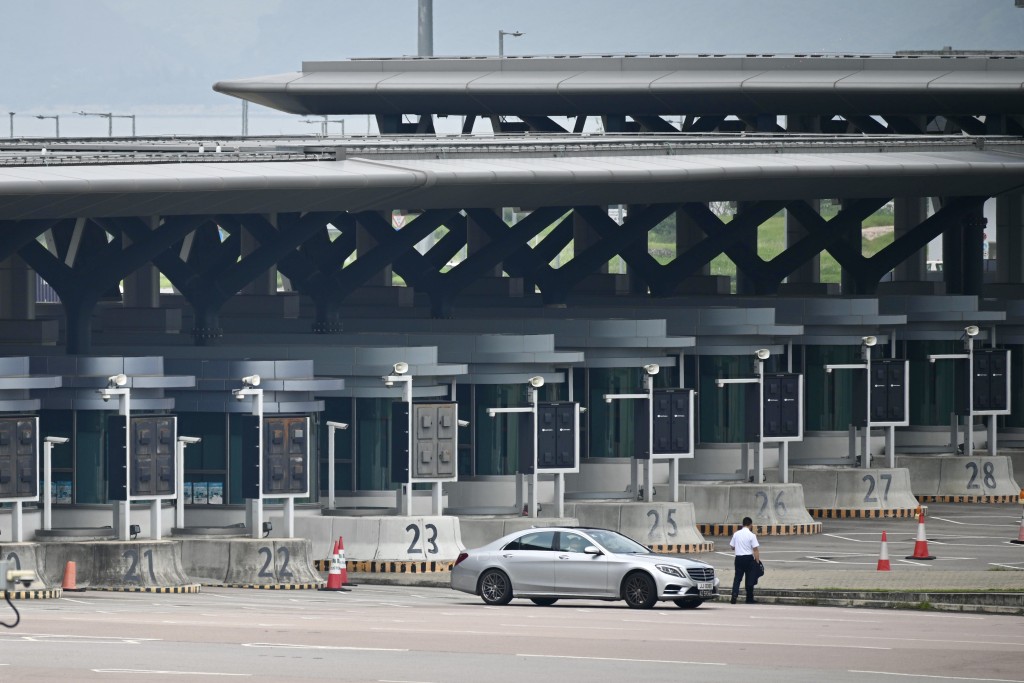
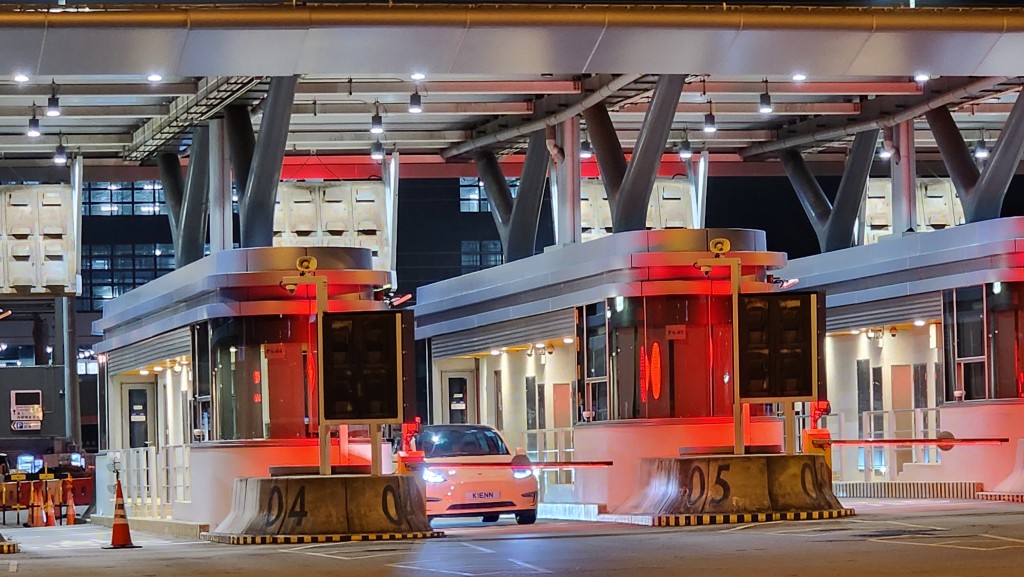
The government will assess the traffic capacity at border control points and local road networks and implement measures to divert flows during peak hours, she added.
Additionally, Chan will inspect local vehicle examination centers during her visit to Guangzhou to facilitate planning.
Read More:
Mable Chan vows to keep Southbound Travel Scheme on track amid capacity concerns
Southbound Travel for Guangdong Vehicles to be rolled out this year with limited quotas: sources