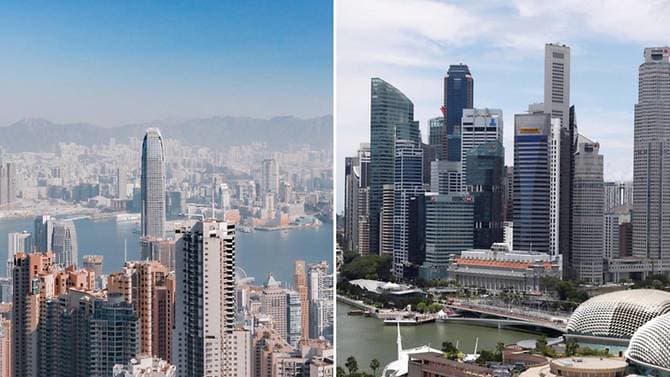
As Asia's two premier financial hubs, Singapore and Hong Kong are locked in an intensifying race to attract overseas tourists with Hong Kong leveraging its mainland China ties while Singapore focuses on global mega-events and luxury experiences.
Both have unveiled long-term tourism strategies—Hong Kong’s Development Blueprint for Tourism Industry 2.0 and Singapore’s Tourism 2040 Plan—targeting high-value and long-haul visitors through MICE (Meetings, Incentives, Conferences, Exhibitions) tourism, major events, and improved connectivity.
Singapore aims to boost tourism revenue from S$29.8 billion last year to S$47-50 billion by 2040, with MICE contributing 10 pecent, up from the current four percent.
Initiatives include a new integrated MICE hub, sustainability mandates for venues, and expanded business event support.
The sector rebounded strongly in 2024, with 16.5 million international visitors – a 21 percent increase - including over 950,000 MICE travelers generating S$2.8 billion in 2023.
Hong Kong, meanwhile, prioritizes a "mega-event economy”, hosting over 200 major events in 2024, which are expcted to draw two million visitors, spending HK$7.5 billion.
Another 93 events in early 2025 are expected to attract 840,000 attendees and contribute HK$3.3 billion in spending. The city also gained an edge in horse racing tourism after Singapore’s Kranji racecourse closure.
Both destinations are boosting cruise and yacht tourism.
Hong Kong has 4,300 yacht berths, with 500 more planned at the upcoming Airport Bay Marina. Singapore, with around 880 berths, focuses on elite events like the Singapore Yachting Festival.Its Marina Bay Cruise Centre will expand capacity to 12,000 passengers, while Disney Cruise Line has decided to make Singapore its first Asian home port this year.
Hong Kong saw 517,000 cruise passengers in 2024 (70 percent international), with plans to integrate mainland transit travelers and green port initiatives.
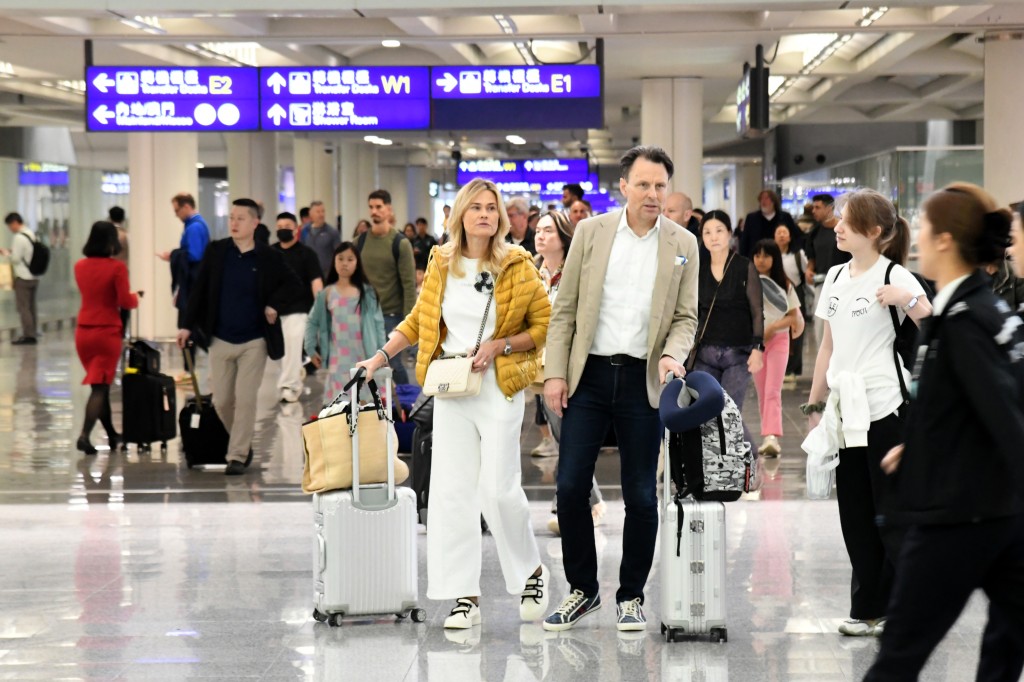
Aviation expansion is also key. Hong Kong’s three-runway system will handle 120 million passengers annually by 2035, supported by the Airport City development, including the 11 SKies complex, a super yacht bay, art storage facilities and others.
Singapore’s Changi Airport, ranked the world’s best, will open Terminal 5 in mid-2030s, increasing capacity to 140 million passengers.
Its experiential offerings—like Jewel Changi’s rainforest atrium and indoor waterfall—aim to turn layovers into short stays, while the JetQuay CIP Terminal caters to private jet travelers.
(Ayra Wang and Jamie Liu )