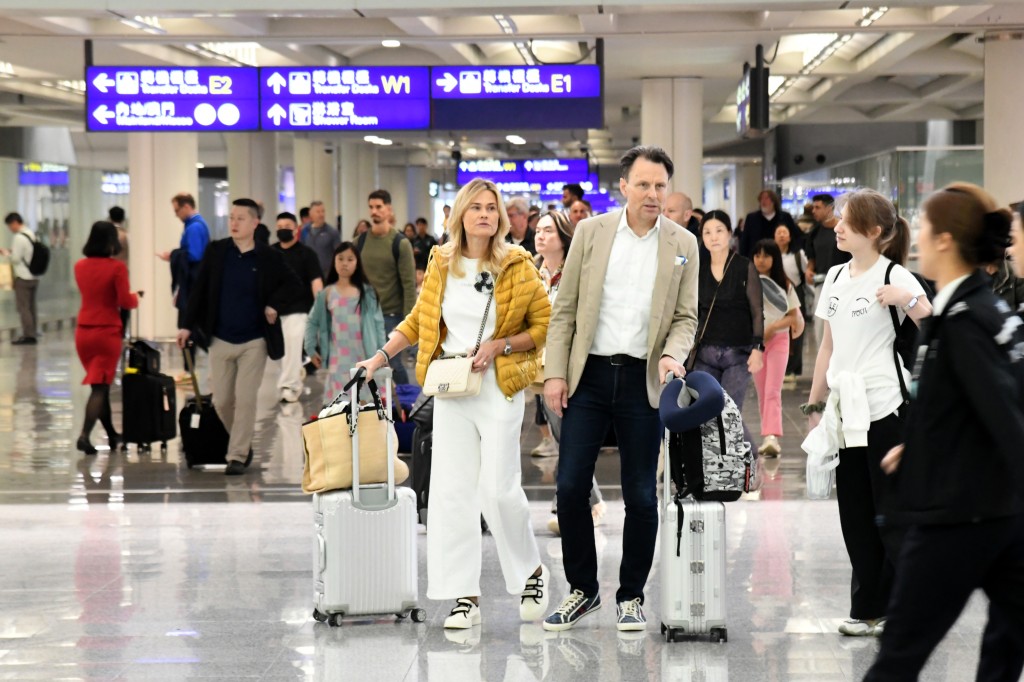
Visa and border policies are crucial to Hong Kong’s growth as a central hub for multi-destination tourism, particularly for attracting overseas visitors, scholars told The Standard, as the city seeks to broaden its customer base.
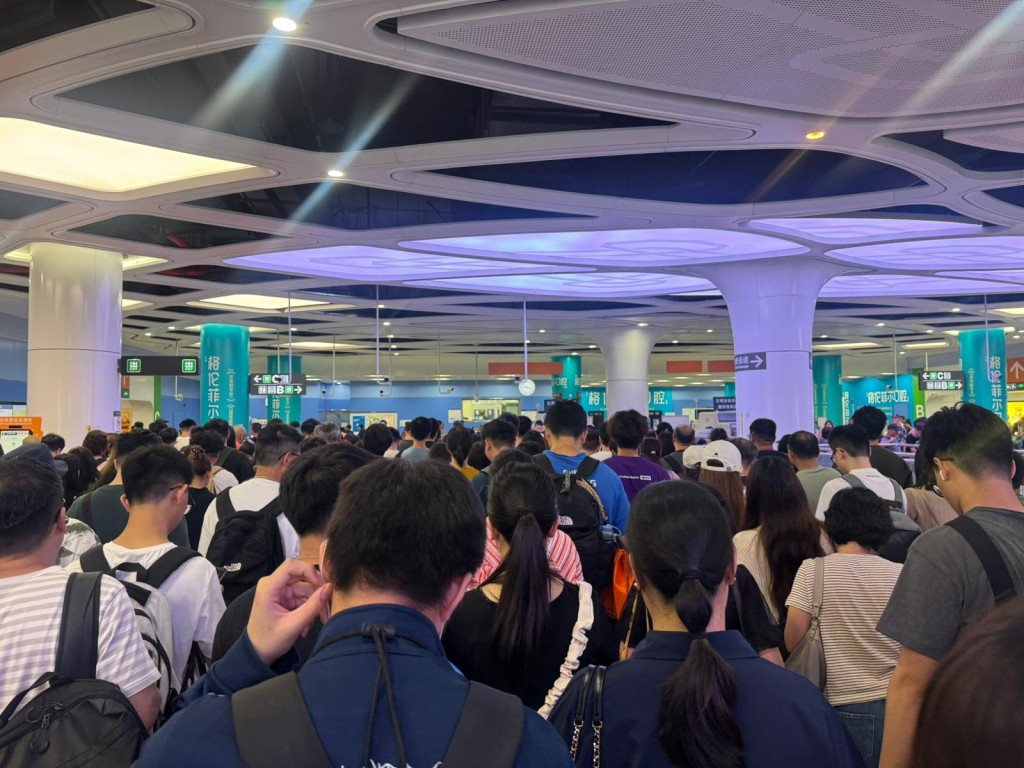
Marketing scholar Kenneth Kwong Ka-kei noted that while cross-border travel to places such as Macau and Shenzhen is convenient for Hongkongers and mainlanders, some foreign visitors may need to spend extra time due to immigration procedures.
From the marketing perspective, he said there is a “closed circuit” approach, in which visitors arrive in and depart from Hong Kong and make getaway day trips to the mainland, such as cities in the Greater Bay Area.
“Given Hong Kong’s relatively small size and limited tourist attractions, the Greater Bay Area provides opportunities for overnight and day trips within mainland China,” said Kwong, associate professor at the Department of Marketing of Hang Seng University.
There is already ample infrastructure that enhances connectivity and creates more travel opportunities, such as the high-speed rail, he added, “This would help expand the ‘boundary’ of Hong Kong.”
Economist Simon Lee Siu-po also agreed that border policies are key to the development of multi-destination tourism based in the SAR, and believed there is room for improvement when it comes to coordination on these matters.
Hong Kong Tourism Association executive director Timothy Chui Ting-pong said mainland China is gradually opening up to foreign tourists.
He noted that foreign tourists are now easily spotted across Hong Kong, with most being multi-destination travelers, and many continue their journeys to mainland provinces such as Guangxi and Jiangxi.
According to government figures, non-mainland travelers passing through Hong Kong to enter mainland China totaled 1.17 million in 2023, while those exiting the mainland via Hong Kong reached 1.1 million, bringing the combined figure to 2.27 million.
In 2024, arrivals surged to 1.86 million, with departures at 1.81 million, totaling 3.67 million trips.
To capitalize on this growth, the Hong Kong Tourism Board has partnered with travel agencies since March 2024 to launch 10 multi-destination itineraries promoting the Greater Bay Area in the US and Canadian markets.
The SAR government has supported these efforts through funding for the Travel Industry Council of Hong Kong, organizing post-pandemic business trips to the Greater Bay Area in late 2023.
By 2024, these tours expanded to cities beyond the region, with plans for further industry exchanges this year to develop more multi-destination travel products.
Authorities are also encouraging the sector to leverage Beijing’s relaxed transit policies, including a 240-hour (10-day) visa-free stay introduced in December 2024 for eligible travelers from 54 countries.
They include 40 European states, such as Germany, France, Russia, the UK and Spain; six countries on the American continent, such as the US, Brazil and Mexico; and others, such as Australia, South Korea, Japan, Singapore and the United Arab Emirates.
The policy allows transit passengers to enter through 60 designated ports and stay in 24 provinces or cities including Guangdong, Shanghai and Beijing, boosting opportunities for extended stopovers.
Meanwhile, the Hong Kong Tourism Board is launching its "Hong Kong Summer Viva" promotion, featuring a range of family-friendly, cultural, outdoor, and sports events.
Highlights include Hong Kong Disneyland Resort’s 20th-anniversary celebration, Ocean Park’s giant panda twins’ first birthday, the Hong Kong Football Festival 2025 with top global clubs, Asia’s first Cristiano Ronaldo Museum, the Hong Kong Open Badminton Championships, the West Kowloon SummerFest, and an exclusive island tour in Sai Kung.
(Ayra Wang and Jamie Liu)